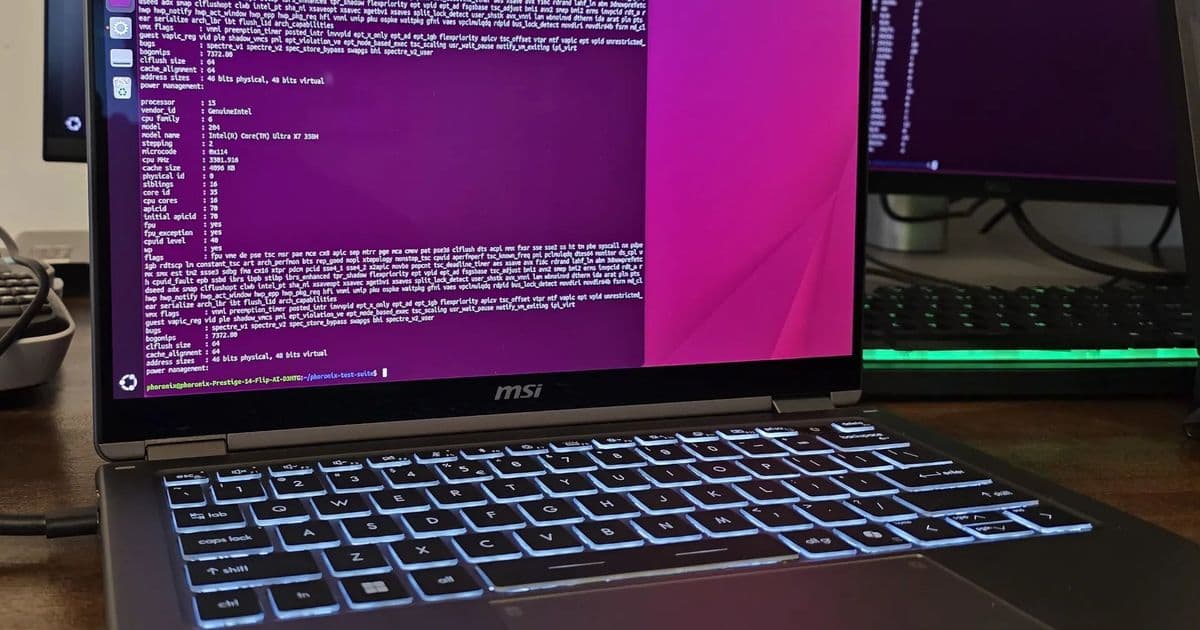
Initial Linux 7.0 kernel benchmarks on Intel's latest Core Ultra Series 3 'Panther Lake' hardware reveal unexpected performance regressions across CPU, graphics, and I/O workloads, contrary to expectations of improvements from ongoing Intel Xe driver development.
Initial benchmarks of Linux 7.0 on Intel's latest Panther Lake hardware reveal unexpected performance regressions across multiple workloads, raising concerns about the kernel's readiness for next-generation mobile processors.
Early Testing Reveals Concerning Trends
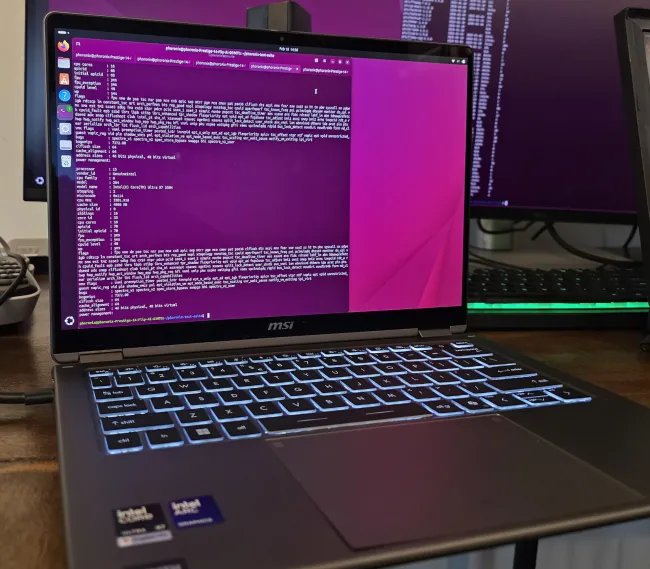
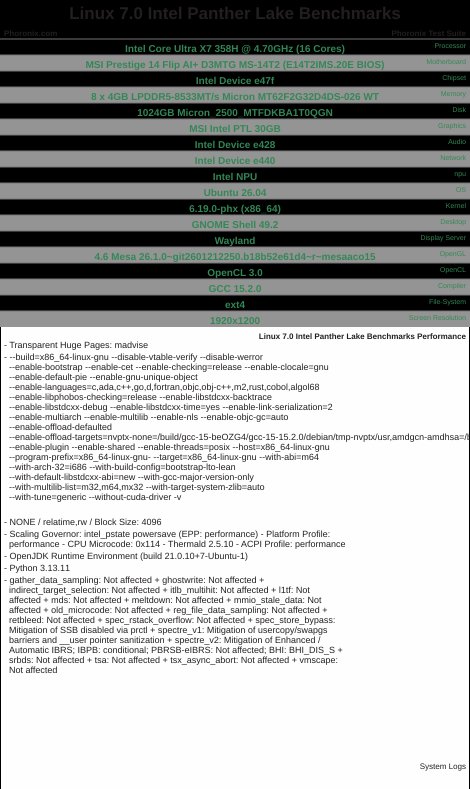
Testing conducted on an MSI Prestige 14 laptop featuring the Core Ultra X7 358H processor and Arc B390 Graphics shows Linux 7.0 performing worse than the stable 6.19 release in several key areas. The testing methodology maintained strict consistency, using the same hardware configuration, compiler toolchain, and kernel settings across both versions.
Graphics Performance Takes a Hit
The most disappointing findings center on the integrated graphics performance. Despite ongoing improvements to the Intel Xe driver and the maturation of Xe3 graphics support, the Arc B390 graphics on Panther Lake shows measurable regressions under Linux 7.0. This contradicts expectations that the new kernel would deliver performance gains for Intel's latest graphics architecture.
CPU and System Performance Issues
Beyond graphics, the benchmarks reveal broader performance concerns:
- Context switching operations show measurable slowdowns
- Zstd compression performance has degraded
- OpenSSL cryptographic operations are slower
- Various micro-benchmarks indicate reduced efficiency
These regressions appear across different workload types, suggesting potential issues with core kernel subsystems rather than isolated component problems.
Testing Methodology and Controls
The testing environment maintained strict controls to ensure valid comparisons. The MSI Prestige 14 was configured in its "performance" platform profile as recommended by Intel, with 32GB of LPDDR5-8533 memory. No software changes were made between tests except for swapping the kernel version, ensuring that any performance differences could be attributed to the kernel itself.
Broader Implications for Linux 7.0
These early findings raise questions about the stability and optimization of Linux 7.0, particularly for users of cutting-edge hardware. The regressions are especially concerning given that Panther Lake represents Intel's latest mobile processor architecture, and users of this hardware would expect optimal performance from the newest kernel release.
Next Steps and Ongoing Testing
The current testing represents only the initial phase of Linux 7.0 performance evaluation. Additional benchmarks on other systems are underway to determine whether these regressions are specific to Panther Lake hardware or represent broader issues affecting multiple platforms. The Linux 7.0 merge window closes on Sunday with the 7.0-rc1 release, leaving limited time for addressing these performance concerns before the final release.
Context Within the Kernel Development Cycle
Performance regressions during development cycles are not uncommon, but the breadth of issues observed here is notable. The Linux kernel development process typically involves extensive testing and optimization, making these early regressions particularly surprising. The fact that they appear across CPU, graphics, and I/O workloads suggests potential issues with fundamental kernel changes introduced in the 7.0 development cycle.
Impact on Intel's Mobile Strategy
For Intel, these findings could impact the reception of Panther Lake processors in the Linux ecosystem. The Core Ultra Series 3 represents a significant investment in mobile computing, and optimal software support is crucial for market success. Performance regressions in the mainline kernel could push users toward alternative solutions or delay adoption of the new hardware platform.
Looking Forward
The Linux kernel community will need to address these regressions quickly if they prove to be widespread issues. With the merge window closing soon, kernel developers face pressure to identify and resolve the root causes of these performance drops before the final 7.0 release. Users and enterprise deployments will be watching closely to see how quickly these issues are addressed in subsequent releases and patches.
Comments
Please log in or register to join the discussion