After eight years, AsteroidOS 2.0 delivers always-on displays, heart rate monitoring, and expanded device support to the Linux-based smartwatch platform.
The open source smartwatch landscape just got a significant boost with the release of AsteroidOS 2.0, bringing modern smartwatch capabilities to a platform that's been quietly evolving for over a decade. This Linux-based operating system, which has served as an alternative to proprietary platforms from Apple, Google, and the now-defunct Pebble, finally delivers many features that users have come to expect from contemporary wearables.
A Long-Awaited Update
Version 2.0 represents the first major release since AsteroidOS 1.0 launched nearly eight years ago. The development team has been steadily working behind the scenes to bring the platform up to speed with modern smartwatch expectations. What makes this release particularly noteworthy is how it bridges the gap between open source philosophy and practical smartwatch functionality.
The timing is interesting, coming at a point when the smartwatch market has matured significantly. While commercial platforms have dominated the space, AsteroidOS offers users complete control over their wearable devices without vendor lock-in or privacy concerns associated with closed ecosystems.
Core Features Now Available
AsteroidOS 2.0 introduces several fundamental smartwatch features that were previously missing or limited:
Always-on Display (AoD) functionality allows users to glance at their watch without activating the full screen, preserving battery life while maintaining accessibility. This feature has become standard across modern smartwatches, and its inclusion marks AsteroidOS's transition into the contemporary wearable space.
The tilt-to-wake and palm-to-sleep gestures provide intuitive interaction methods. Users can raise their wrist to activate the display or cover the screen with their palm to turn it off quickly. These seemingly simple features significantly enhance the user experience by making interactions more natural and responsive.
Nightstand mode transforms the smartwatch into a bedside clock when charging, a feature particularly useful for users who rely on their watch as their primary alarm clock. This demonstrates the platform's attention to real-world use cases beyond just fitness tracking.
Health and Fitness Tracking
Health monitoring capabilities have received substantial attention in this release. The Heart Rate Monitor app brings continuous heart rate tracking to AsteroidOS devices, enabling users to monitor their cardiovascular health throughout the day. This feature has become essential for many smartwatch users, particularly those using wearables for fitness and wellness tracking.
Initial step counting support has been implemented, laying the groundwork for more comprehensive activity tracking. While basic, this feature provides users with fundamental fitness metrics that many expect from their wearable devices.
Enhanced Connectivity and Control
The addition of Bluetooth HID and audio support opens up new possibilities for device integration. Users can now connect wireless headphones directly to their watch for phone-free listening during workouts, or use the watch as a remote control for other Bluetooth-enabled devices.
Music volume controls and compass support round out the core functionality, addressing common user requests and bringing AsteroidOS closer to feature parity with commercial alternatives.
User Interface Improvements
Beyond core features, AsteroidOS 2.0 introduces several user interface enhancements that improve the overall experience:
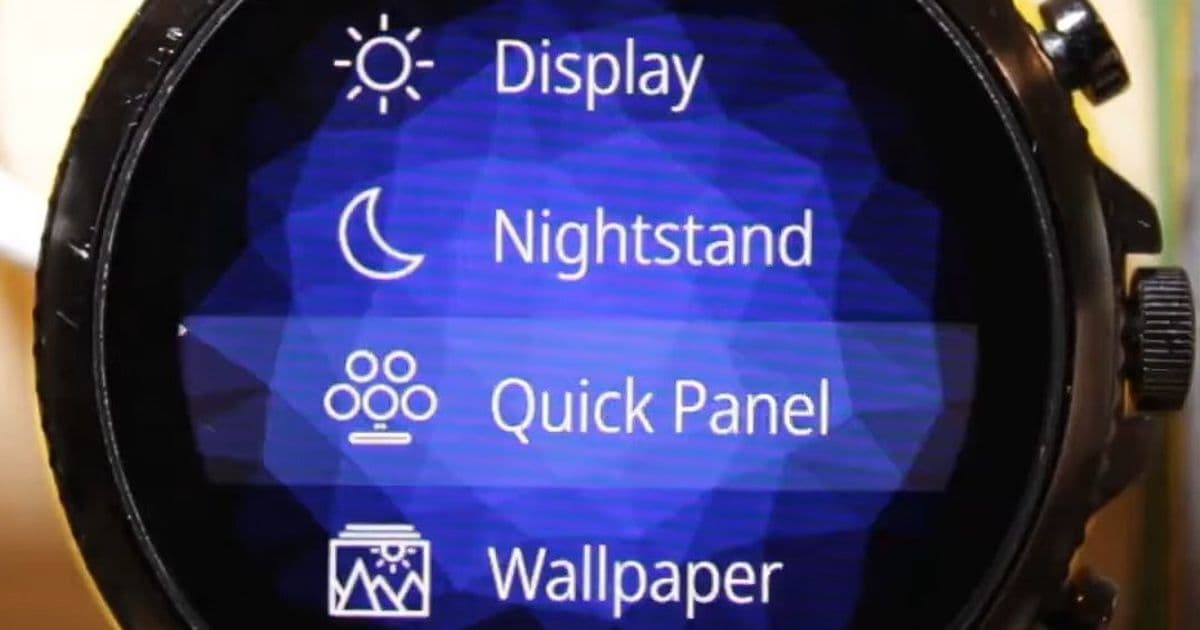
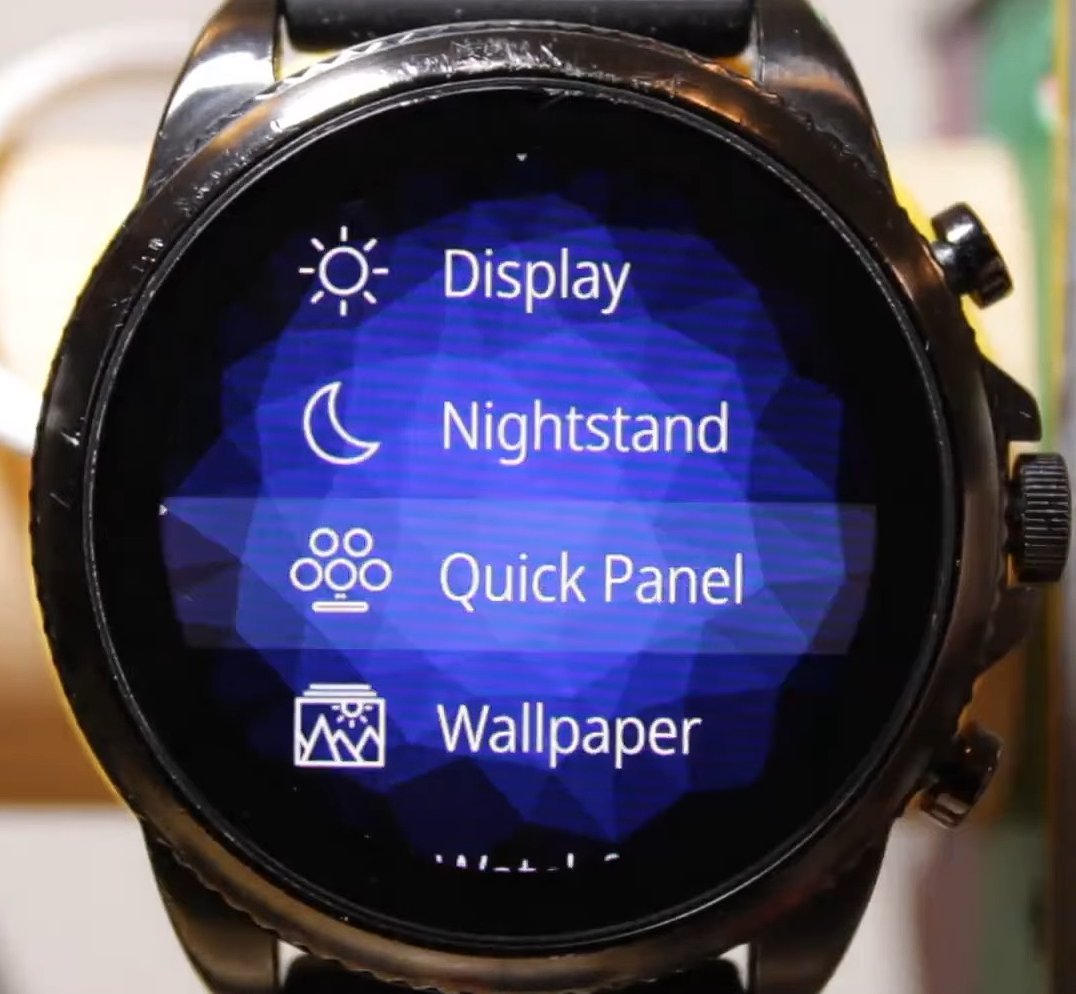
A new QuickPanel replaces the older QuickSettings menu, offering a more customizable interface with additional app shortcuts and settings toggles. This redesign reflects modern smartwatch design patterns while maintaining the platform's clean aesthetic.
Users now have access to seven additional App Launcher styles, providing more personalization options for organizing and accessing applications. This variety allows users to tailor their watch interface to their preferences and usage patterns.
Expanded Language and Device Support
One of the most significant improvements in AsteroidOS 2.0 is the dramatic expansion of language support. The platform now supports 49 languages, an increase of 20 languages from the previous version. This broader language support makes the platform accessible to a much wider global audience and demonstrates the project's commitment to international usability.
Device compatibility has also improved substantially. AsteroidOS now offers full or partial support for approximately 20 additional smartwatches, expanding the ecosystem of compatible devices. With support for more than two dozen watches total, the platform has established itself as a viable option for users of various smartwatch models.
App Ecosystem Updates
The release includes updates to several key applications that enhance the platform's utility:
- The weather app has been improved with better data presentation and accuracy
- The timer app now offers more precise control and additional features
- The calculator app has been updated with enhanced functionality
These app improvements, while seemingly minor, contribute to the overall polish and usability of the platform.
Wallpaper and Visual Enhancements
Visual customization options have expanded with updates to the wallpaper and watch face gallery. New background animations add personality to the interface, allowing users to personalize their devices beyond just functional features.
The Open Source Advantage
What sets AsteroidOS apart from commercial alternatives isn't just its feature set, but its fundamental approach to software freedom. Users have complete control over their device software, can modify the code to suit their needs, and aren't subject to vendor-imposed limitations or data collection practices.
For developers and technically-minded users, AsteroidOS represents an opportunity to work with smartwatch technology without the constraints of proprietary ecosystems. The platform's Linux foundation means it can leverage existing open source tools and libraries, potentially accelerating development of new features and applications.
Looking Forward
AsteroidOS 2.0 represents a significant milestone for the project, but it's also a foundation for future development. The features introduced in this release address the most critical gaps in the platform's functionality, positioning AsteroidOS as a serious contender in the open source wearable space.
The eight-year gap between major versions suggests that the development team is taking a measured, quality-focused approach rather than rushing releases. This methodology has resulted in a polished, feature-complete platform that can compete with commercial alternatives on functionality while maintaining its open source principles.
For users seeking an alternative to mainstream smartwatch platforms, AsteroidOS 2.0 offers a compelling option that combines modern features with software freedom. As the platform continues to evolve, it may play an increasingly important role in the wearable technology ecosystem, particularly for users who value privacy, customization, and open source principles.
Learn more about AsteroidOS 2.0 in the official release announcement or check out the demonstration video to see the new features in action.
Comments
Please log in or register to join the discussion