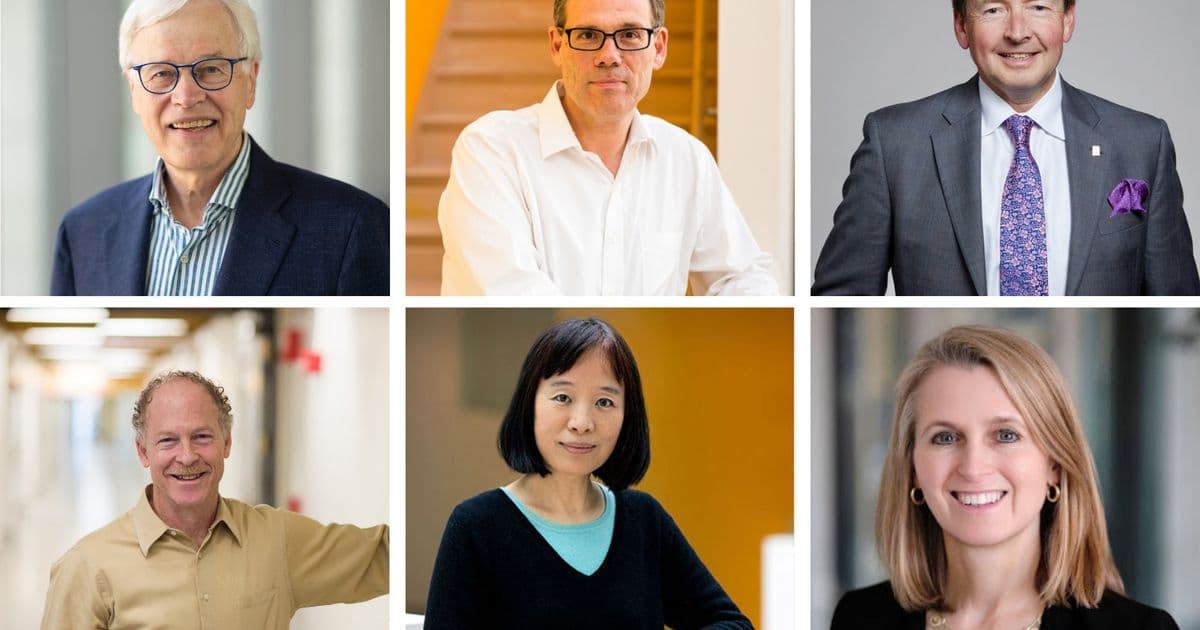
Six MIT faculty and ten alumni have been elected to the National Academy of Sciences, recognizing their distinguished achievements in original research across natural and social sciences, from economics and neuroscience to mechanical engineering and energy policy.
The National Academy of Sciences (NAS) has announced its 2026 class of electees, including six MIT faculty members and ten additional MIT alumni. This prestigious recognition honors individuals who have demonstrated "distinguished and continuing achievements in original research" across various scientific disciplines.
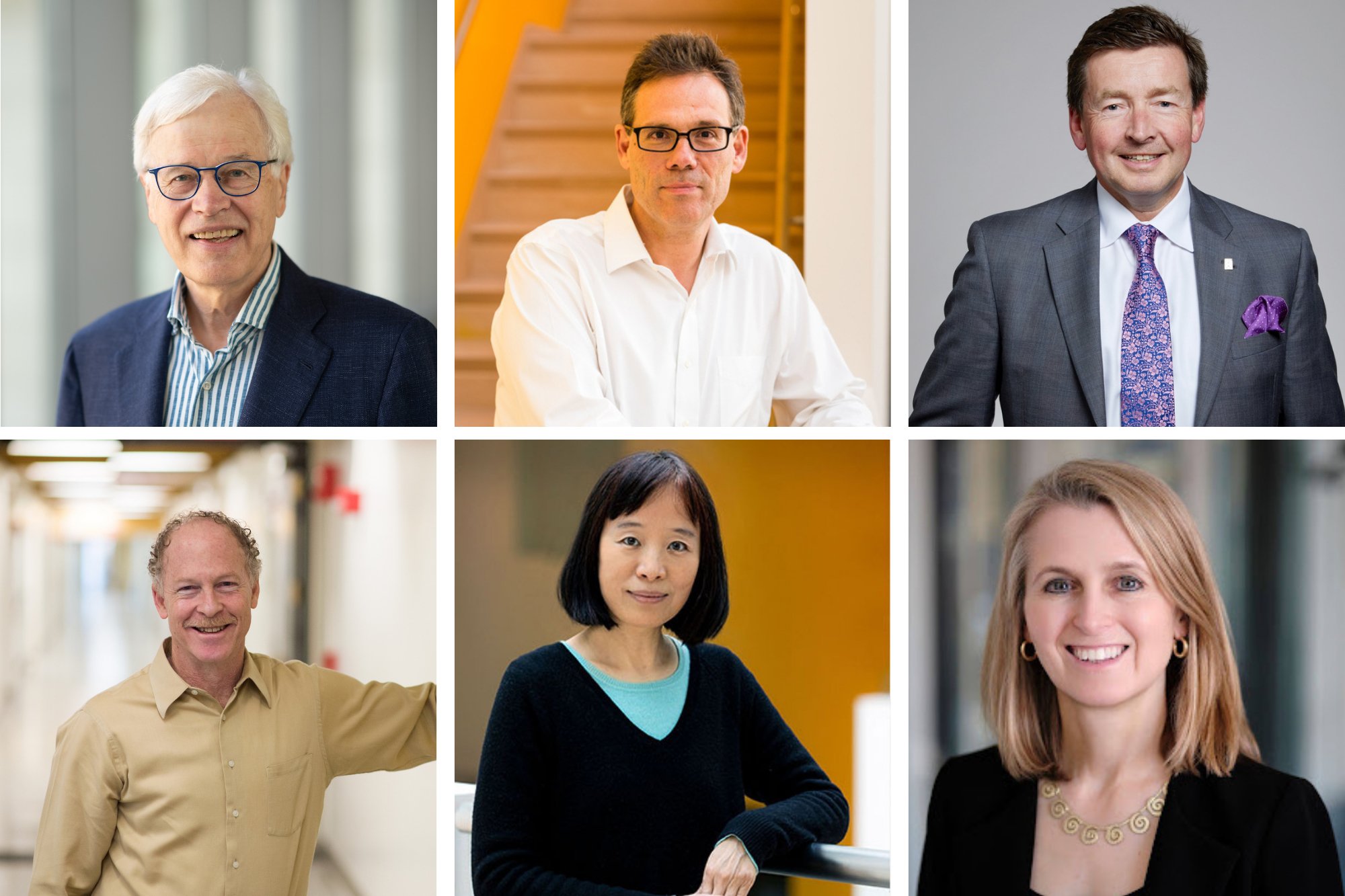
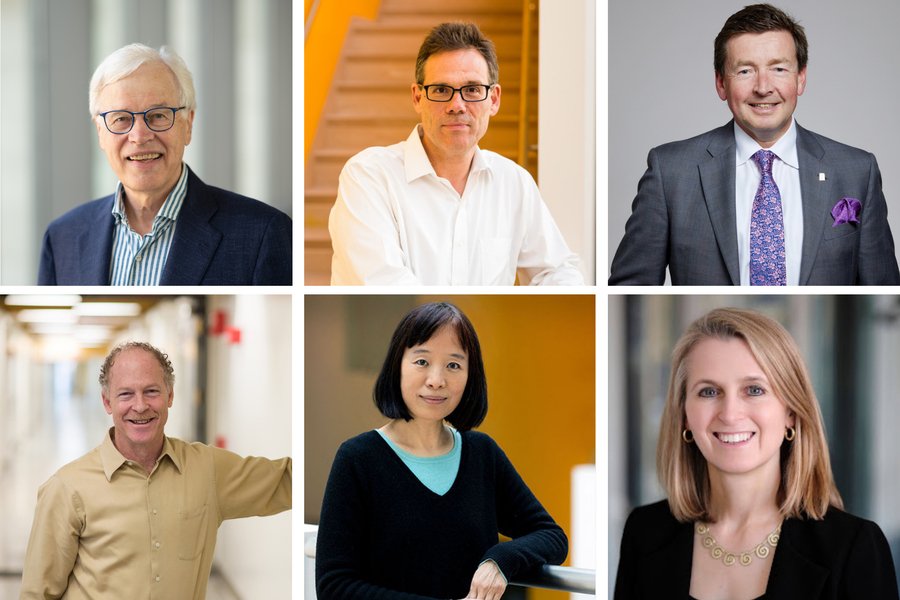
The six MIT faculty members elected to the NAS for 2026 represent diverse fields within the Institute's School of Science, School of Engineering, and MIT Sloan School of Management. These researchers have made significant contributions ranging from economic theory and neuroscience to fluid dynamics and energy policy.
Economic Theory and Contractual Analysis
Bengt Holmström, the Paul A. Samuelson Professor of Economics, emeritus, has been elected for his foundational research on contract theory and incentives. Holmström's work has fundamentally shaped modern economic understanding of the firm, corporate governance, and financial systems. His research on how contractual relationships can optimize outcomes in complex organizations has influenced both academic theory and practical business applications.
Holmström received the 2016 Sveriges Riksbank Prize in Economic Sciences in Memory of Alfred Nobel for his contributions to contract theory. His research has demonstrated how properly designed contracts can align incentives between principals and agents, addressing fundamental problems in economics and management that extend from corporate executives to healthcare providers and financial systems during crises.
Neuroscience and Learning Mechanisms
Michale S. Fee, the Glen V. and Phyllis F. Dorflinger Professor of Neuroscience and head of the MIT Department of Brain and Cognitive Sciences, has been recognized for his research on how the brain learns and generates complex sequential behaviors. Using the zebra finch as a model system, Fee investigates the neural mechanisms underlying birdsong—a behavior that young birds learn from their fathers through trial and error, similar to how human infants learn to speak.
Beyond basic research, Fee's work has significant clinical implications. The neural circuits controlling birdsong learning are closely related to human brain circuits disrupted in Parkinson's and Huntington's diseases. Insights from his research could reveal new approaches to understanding and potentially treating these complex neurological disorders. His laboratory develops innovative experimental techniques to observe and manipulate neural circuits during learning processes.
Fluid Dynamics and Complex Materials
Gareth H. McKinley '91, the School of Engineering Professor of Teaching Innovation in Mechanical Engineering, has been elected for his contributions to non-Newtonian fluid dynamics and rheology. McKinley's research focuses on understanding the behavior of complex fluids such as surfactants, biomaterials, gels, and polymers—materials ubiquitous in foods, cosmetics, and consumer products.
McKinley's group has developed novel instrumentation and customized rheological analysis techniques that have advanced the field of rheology for complex and soft materials. His freely-distributed code for analyzing large amplitude oscillatory shear flow and broad-band "chirp" rheometry is used worldwide in both industry and academia. His work has practical applications in product development, from improving the texture of food products to designing more effective medical treatments and industrial processes.
Time-Resolved Optical Studies
Keith A. Nelson, the Haslam and Dewey Professor of Chemistry, has been elected for his research on the time-resolved optical study and control of collective transformations in condensed matter. Nelson's group uses pulses of light across various spectral ranges and laser-generated strain waves to drive and observe molecular and material transformations in real-time.
His research has applications in developing new materials with specific optical properties, understanding phase transitions in materials, and potentially controlling chemical reactions with unprecedented precision. Nelson's work bridges fundamental physical chemistry with practical applications in materials science, photonics, and chemical engineering.
Neural Circuit Mapping
Fan Wang, professor of Brain and Cognitive Sciences and investigator at the McGovern Institute, has been elected for her research on neural circuits that govern interactions between brain and body. Wang uses cutting-edge techniques including optogenetics, in vivo electrophysiology, and in vivo imaging to map how the brain generates sensory perceptions and controls movement.
Her discoveries include identifying distinct populations of neurons activated by anesthesia that can suppress pain without blocking sensation, and can calm anxiety by regulating automatic body functions like heart rate. Wang has also identified the brain circuits controlling rhythmic movements essential for exploration and communication. These findings reveal fundamental connections between emotion, physiology, movement, and consciousness, with potential applications in developing new treatments for neurological and psychiatric disorders.
Energy Economics and Climate Policy
Catherine D. Wolfram '96, the William Barton Rogers Professor in Energy and professor of applied economics at MIT Sloan, has been elected for her research on the economics of energy markets. Wolfram's work has analyzed rural electrification programs in developing countries, energy efficiency programs in the United States, and the effects of environmental regulation on energy markets.
Her current research focuses on the intersection of climate, energy, and trade, including carbon border adjustment mechanisms and oil market sanctions. Wolfram brings practical policy experience to her research, having served as deputy assistant secretary for climate and energy economics at the U.S. Treasury from 2021 to 2022. She currently serves on the COP30 President's Council on Economics, Finance, and Climate, demonstrating the real-world impact of her academic work on policy development.
Additional MIT Alumni Elected
In addition to the six faculty members, ten MIT alumni were elected to the NAS for 2026:
- Christopher J. Chang PhD '02 (Chemistry)
- Cynthia J. Ebinger SM '86, PhD '88 (Earth, Atmospheric and Planetary Sciences)
- Andrew Gelman '85, '86 (Mathematics and Physics)
- Richard L. Greene '60 (Physics)
- Chuan He PhD '00 (Chemistry)
- Pardis C. Sabeti '97 (Biology/Life Sciences)
- Robert J. Shiller SM '68, PhD '72 (Economics)
- Daniel M. Sigman PhD '97 (EAPS)
- Eero Simoncelli SM '88, PhD '93 (Electrical Engineering and Computer Science)
- Salil P. Vadhan PhD '99 (Mathematics)
Membership in the National Academy of Sciences is one of the highest honors a scientist can receive in their career. Established under a congressional charter signed by President Abraham Lincoln in 1863, the NAS is a private, nonprofit institution that recognizes achievement in science by election to membership. Along with the National Academy of Engineering and the National Academy of Medicine, it provides science, engineering, and health policy advice to the federal government and other organizations.
The election of these MIT affiliates to the NAS continues the Institute's strong tradition of scientific excellence. MIT has consistently been one of the top institutions represented in the annual NAS elections, reflecting its commitment to fundamental research that addresses both theoretical questions and practical challenges facing society.
Comments
Please log in or register to join the discussion