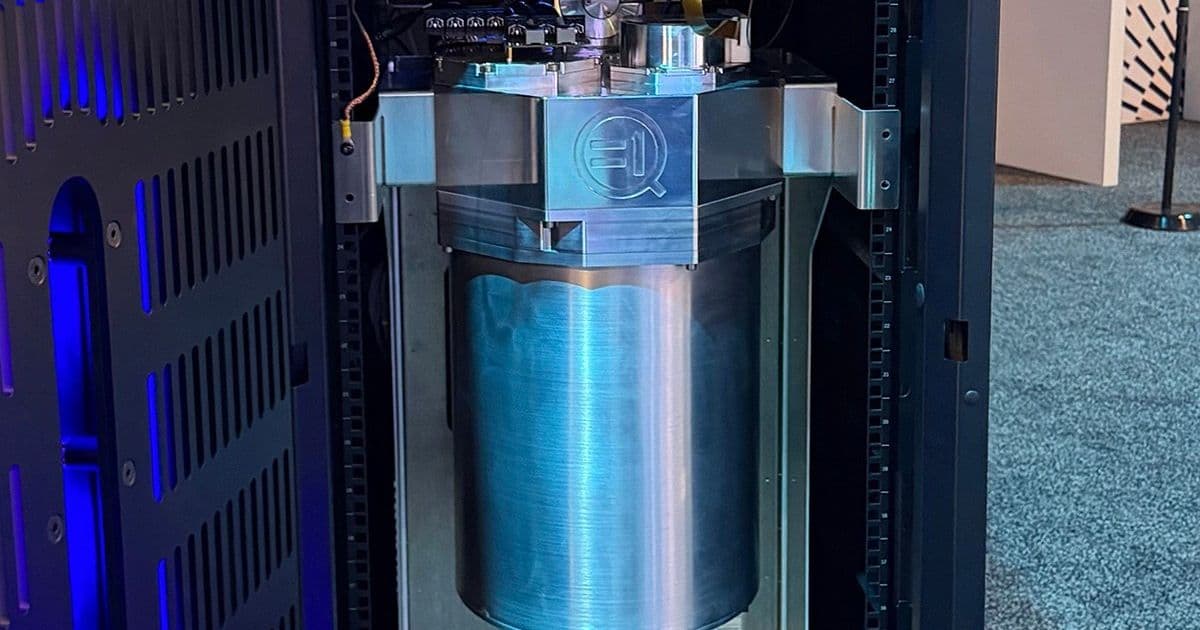
A breakthrough in quantum computing integration, the Equal1 system demonstrates how quantum processing can be deployed in standard data center environments, moving beyond specialized facilities and into mainstream IT infrastructure.
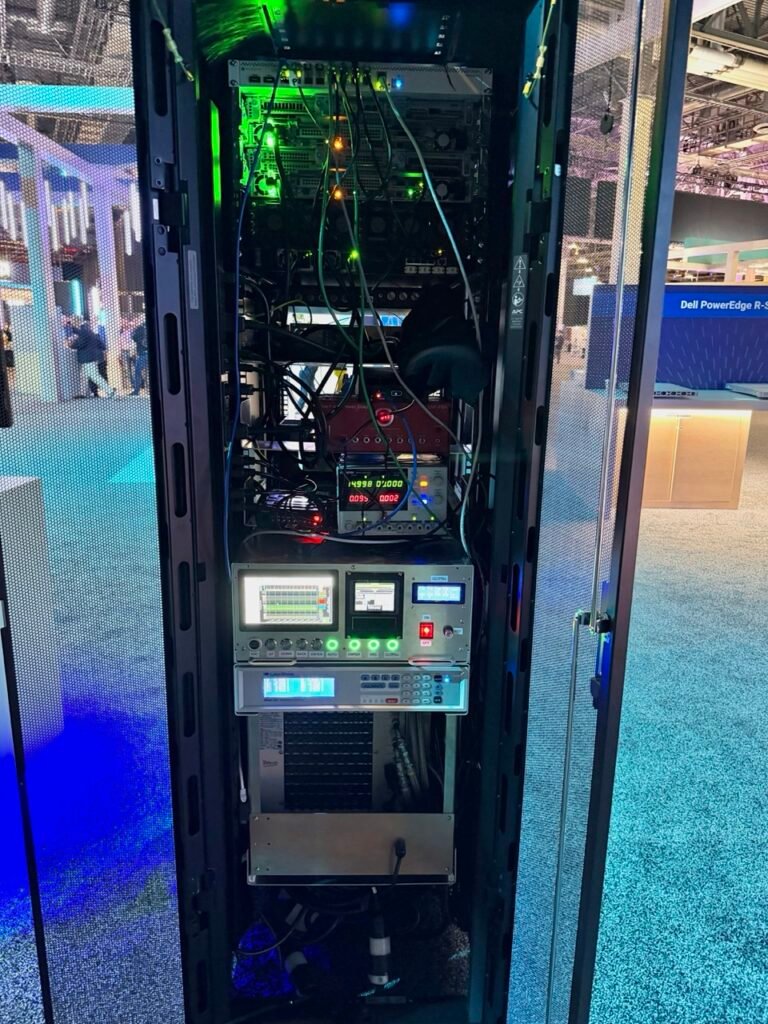
Equal1 Single Rack Quantum Computer at Dell Tech World 2026
At Dell Tech World 2026, one of the most significant demonstrations wasn't a traditional server or storage system, but a fully functional quantum computer integrated into a standard 19-inch rack form factor. This development represents a pivotal moment in quantum computing, as it brings quantum processing capabilities into conventional data center environments, eliminating the need for specialized facilities with massive cooling infrastructure.
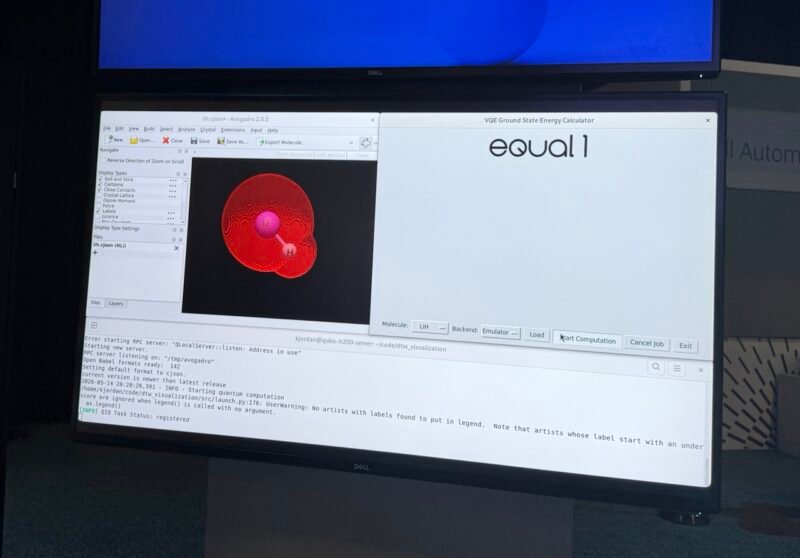
The Equal1 quantum system, showcased live on the exhibition floor, demonstrated that quantum computing can transition from laboratory curiosities to practical components of IT infrastructure. This integration capability opens new possibilities for organizations looking to explore quantum computing without constructing dedicated facilities.
Technical Architecture and Specifications
The Equal1 system employs silicon spin qubits fabricated using standard CMOS processes, a significant advancement in quantum computing technology. This approach allows the entire quantum processing unit to be integrated onto a single chip, similar to conventional microprocessors. The silicon-based implementation offers several advantages over other quantum computing approaches:
- Compatibility with existing semiconductor manufacturing processes
- Potential for scalability using established fabrication techniques
- Integration with classical computing components on the same platform
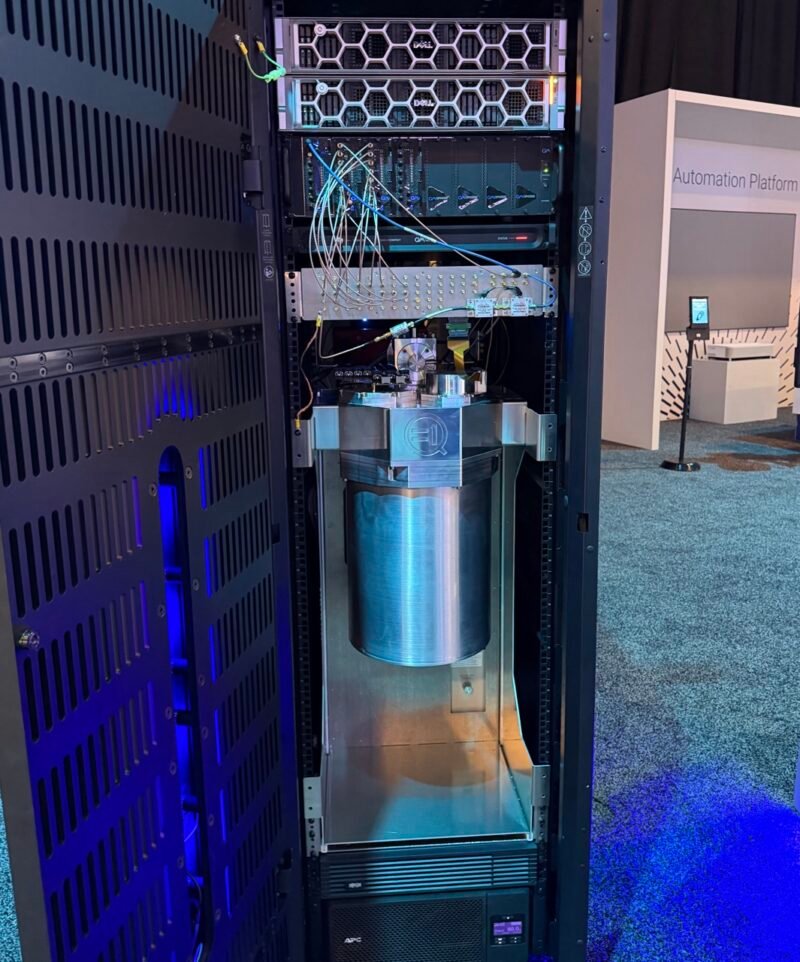
The system architecture consists of three primary components:
- Quantum Processing Unit (QPU): The silicon spin qubit chip requiring extreme cooling
- Classical Compute: Dell PowerEdge servers handling control operations and quantum algorithm execution
- RF Control System: Specialized radio frequency components for qubit manipulation and readout
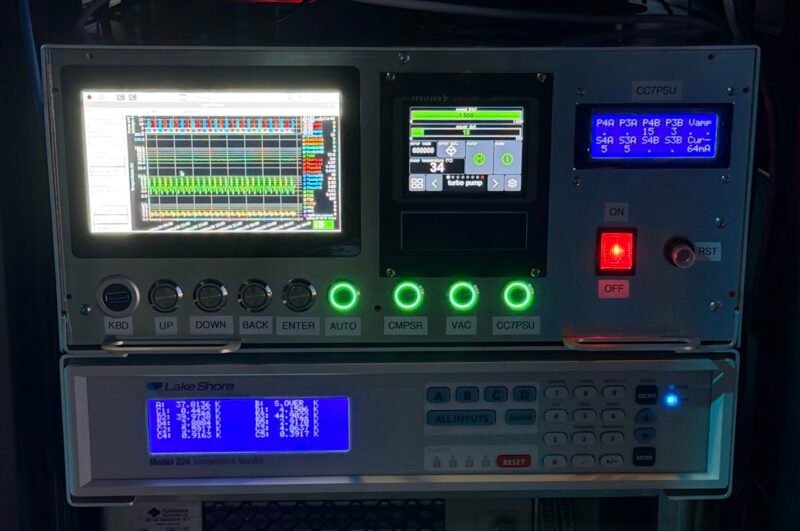
The most demanding aspect of this system is the cooling requirements. The quantum chip must be maintained at temperatures below 1 Kelvin (-272.15°C), significantly colder than deep space, which averages approximately 2.7 Kelvin. This extreme cooling is necessary to maintain quantum coherence in the spin qubits.
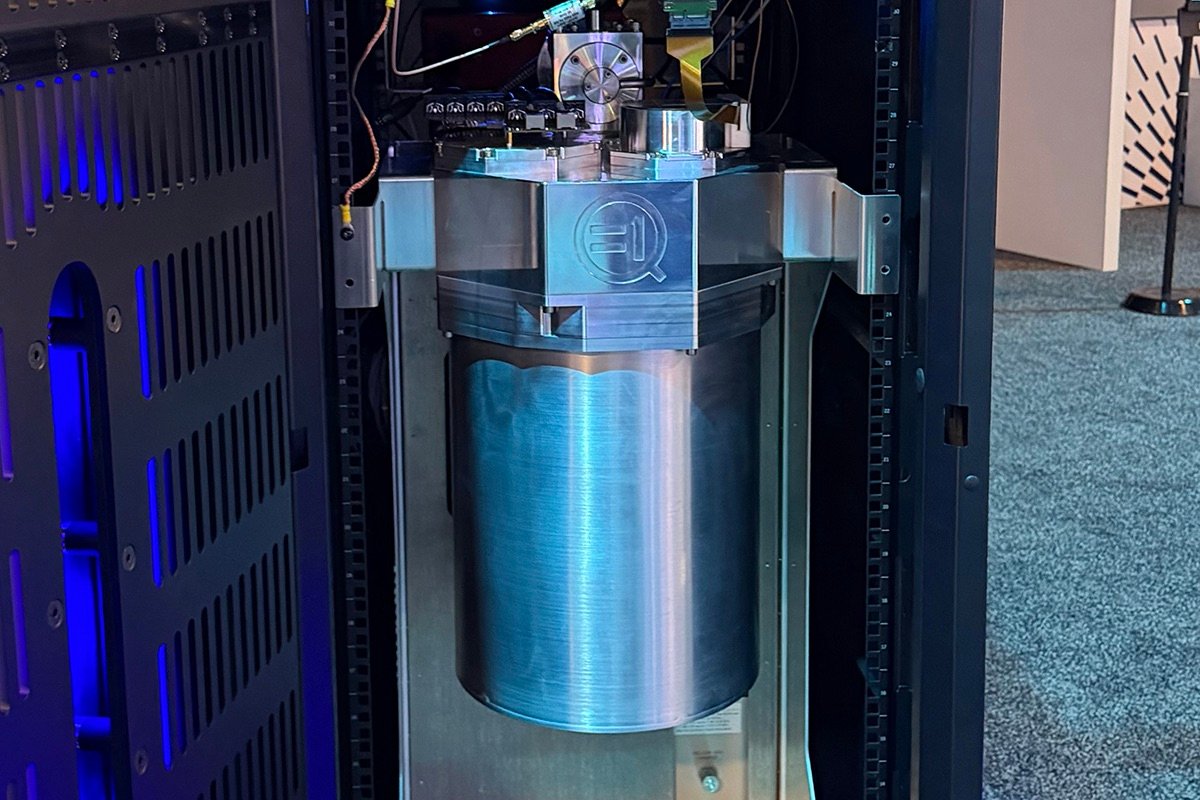
The cooling system is implemented as a cylindrical unit housing the quantum chip at its base. This design allows for efficient thermal management while maintaining the compact form factor required for rack integration. Unlike earlier quantum systems that required entire buildings for cooling infrastructure, the Equal1 system contains all cooling components within the standard rack footprint.
Deployment Considerations
The rack-mounted design of the Equal1 system addresses several key challenges in quantum computing deployment:
Space Efficiency: Standard 19-inch rack compatibility allows integration into existing data center layouts without requiring specialized facilities.
Power Distribution: The system operates within standard power parameters for data centers, eliminating the need for specialized electrical infrastructure.
Network Integration: The demonstration included MikroTik CRS518-16XS-2XQ-RM networking equipment, indicating that the system can be integrated with standard data center networking components.
Operational Continuity: A remarkable operational detail is that the system must be shipped in a powered-on state. If powered down, the time required to cool the chip to operating temperatures would be prohibitively long, potentially taking days or weeks to reach the required sub-1 Kelvin state.
Comparison with Existing Quantum Systems
The Equal1 system represents a significant departure from earlier quantum computing implementations. For comparison:
Traditional superconducting quantum computers, like those from IBM, typically require large, specialized facilities with extensive cooling systems. The IBM systems often occupy entire rooms and require dedicated cooling infrastructure.
The D-Wave quantum annealing systems, while more commercially available, still require substantial cooling and are generally housed in specialized facilities. The author recalls seeing a D-Wave system at USC approximately a decade ago that required a dedicated cooling plant in the parking lot.
Ion trap quantum computers, while offering certain advantages, typically require complex vacuum systems and precise laser controls, making them difficult to integrate into standard data center environments.
The Equal1 system's approach of using silicon spin qubits in CMOS fabrication potentially offers a more scalable path to quantum computing integration, as it leverages existing semiconductor manufacturing techniques and can potentially benefit from the same economies of scale that have driven classical computing advancement.
Real-World Implications
While the demonstration at Dell Tech World should be considered more of a lab prototype than a production-ready system, it points toward several important developments in quantum computing infrastructure:
Democratization of Quantum Computing: By reducing the physical and infrastructural requirements, systems like Equal1 could make quantum computing accessible to a broader range of organizations, beyond the few institutions with dedicated quantum research facilities.
Hybrid Computing Environments: The integration of quantum and classical systems in standard data centers enables the development of hybrid computing architectures where quantum processors handle specific tasks while classical processors manage general operations.
Quantum Cloud Services: Rack-mountable quantum systems could form the basis of quantum cloud services, allowing organizations to access quantum computing resources without significant capital investment in specialized infrastructure.
Edge Quantum Computing: The compact form factor potentially enables quantum computing at the edge, though cooling requirements may limit deployment to locations with robust infrastructure.
Technical Challenges and Future Development
Despite the impressive demonstration, several technical challenges remain for practical deployment of quantum computing in data centers:
Cooling Infrastructure: While the system contains cooling within the rack, the energy requirements for maintaining sub-1 Kelvin temperatures remain substantial. The efficiency of these cooling systems will need improvement for widespread adoption.
Qubit Coherence and Error Rates: Quantum systems face inherent challenges with qubit coherence and error rates. The silicon spin qubit approach shows promise, but error correction remains a significant hurdle for practical quantum computation.
Software Integration: Developing software that effectively leverages quantum capabilities while integrating with classical computing systems presents substantial challenges in programming models, compilers, and runtime environments.
Scalability: While the single-chip implementation is impressive, scaling to the thousands or millions of qubits required for practical quantum advantage presents significant engineering challenges.
The Equal1 demonstration at Dell Tech World represents an important step toward making quantum computing a practical component of IT infrastructure. By integrating quantum processing into standard rack form factors, the system bridges the gap between laboratory quantum research and practical deployment in data centers. While challenges remain in scaling, improving qubit coherence, and developing effective quantum software, the path to quantum computing integration in conventional data centers has become significantly more clear with this demonstration.
As quantum computing technology continues to evolve, systems like Equal1 will likely play an important role in transitioning quantum computing from specialized research facilities to mainstream IT infrastructure, potentially enabling new applications and capabilities across various industries.
Comments
Please log in or register to join the discussion