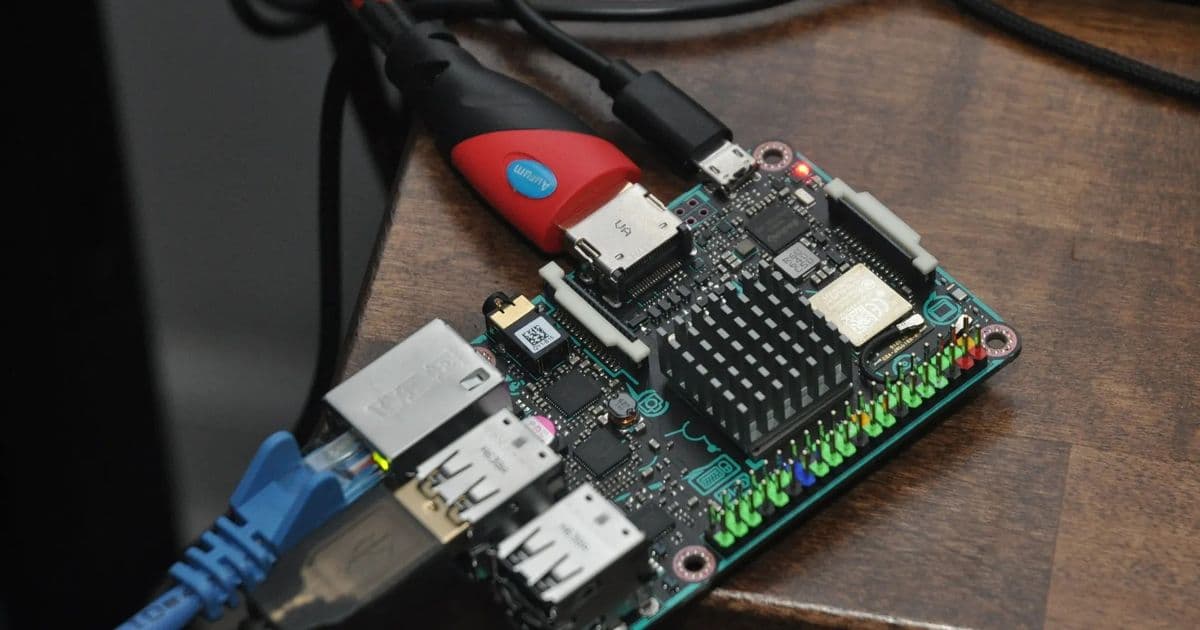
The Linux 7.1 kernel cycle is bringing substantial hardware support updates, with 12 new SoCs added to the mainline kernel alongside significant ARM and RISC-V enhancements.
The Linux kernel development community continues to expand hardware support with the upcoming Linux 7.1 release, which now includes support for 12 new System-on-Chips (SoCs) along with various ARM and RISC-V platform improvements. These updates, recently merged into the mainline kernel, represent significant progress in supporting the latest embedded, mobile, and specialized computing hardware.
New SoC Additions in Linux 7.1
The most significant additions in this kernel cycle come from Qualcomm, which has contributed support for multiple new platforms:
Qualcomm Glymur: A compute SoC featuring 18 Oryon-2 CPU cores, representing Qualcomm's latest high-performance computing architecture. This chip likely targets data center and edge computing applications where multi-threaded performance is critical.
Qualcomm Mahua: A variant of Glymur with 12 CPU cores, offering a more power-efficient option for workloads that don't require the full 18-core configuration.
Qualcomm Eliza: An embedded platform based on the SM7750 chipset, designed for mobile phones and IoT deployments as the QC7790S/M. This extends Linux support into more consumer and industrial embedded spaces.
Qualcomm IPQ5210: A wireless networking SoC that will likely power next-generation Wi-Fi 6E/7 access points and networking equipment, bringing advanced connectivity capabilities to Linux-based networking solutions.
Other Notable SoC Support
Beyond Qualcomm's contributions, Linux 7.1 adds support for several other important platforms:
Axis ARTPEC-9: An industrial vision processor with Cortex-A55 cores, succeeding the ARTPEC-8. This chip likely targets intelligent video surveillance and industrial automation applications.
ARM Zena virtual platform: Using Cortex-A720AE cores, this represents ARM's latest high-performance cores designed for automotive and safety-critical applications with enhanced energy efficiency.
ARM Corstone-1000-A320 reference platform: Featuring Cortex-A320 cores, this platform serves as a reference design for developers building ARM-based embedded systems.
Microchip LAN9691: A 64-bit Ethernet controller with integrated processing, designed for industrial networking applications requiring robust connectivity capabilities.
Renesas RZ/G3L r9a08g046: An industrial embedded chip that extends Linux support into industrial control systems and human-machine interfaces.
NXP S32N79: An automotive SoC that brings Linux support into advanced driver-assistance systems (ADAS) and in-vehicle computing platforms.
Microsochip PIC64GX: An embedded RISC-V chip using SiFive U54 CPU cores, representing the growing maturity of RISC-V in embedded computing applications.
Rockchip RV1103B: A 32-bit single-core vision processor designed for low-power computer vision applications in embedded systems.
Hardware Removal and Cleanup
Along with adding new hardware support, Linux 7.1 also removes some legacy SoCs:
Qualcomm APQ8084 and IPQ806X: These older SoCs are being removed as they had only very basic support and no actual supported products by the mainline Linux kernel. This cleanup helps reduce kernel maintenance overhead.
Baikal T1 memory driver: As part of the Linux kernel beginning to remove support for Russia's Baikal CPUs, an unused Baikal T1 memory driver is being removed. This reflects the changing geopolitical landscape in the technology sector.
Broader Implications
The addition of these new SoCs supports several important trends in computing:
Edge Computing: Many of these new chips target edge computing applications, bringing Linux capabilities to distributed computing environments outside traditional data centers.
Automotive Computing: With the ARM Zena and NXP S32N79 additions, Linux continues to strengthen its position in automotive computing, particularly for safety-critical applications.
Industrial IoT: The Axis ARTPEC-9, Renesas RZ/G3L, and Microchip LAN9691 all target industrial applications, reflecting Linux's growing importance in industrial automation.
RISC-V Maturation: The inclusion of the Microsochip PIC64GX demonstrates RISC-V's continued progress toward mainstream adoption in commercial products.
Device Tree Expansions
In addition to SoC support, Linux 7.1 includes device tree additions for numerous tablets, set-top boxes, industrial/embedded boards, and various Qualcomm devices. These device tree updates ensure that the Linux kernel can properly initialize and configure hardware across a wide range of commercial products.
Looking Ahead to Linux 7.1
These hardware support updates represent the ongoing work of the Linux kernel community to support the latest hardware platforms. For users and developers, this means improved support for new devices out of the box, reduced need for vendor-specific kernel patches, and better performance on the latest hardware.
The Linux 7.1 kernel is expected to be released in the coming months, and these hardware support improvements will be available to distributions that adopt the new kernel version. Embedded device manufacturers, automotive companies, and industrial system providers will particularly benefit from these expanded hardware support capabilities.
For those interested in following the development progress, the four SoC pulls for Linux 7.1 provide detailed information on the many changes now merged for this next kernel version. These updates demonstrate the Linux kernel's continued commitment to supporting the full spectrum of computing hardware, from tiny embedded systems to high-performance compute platforms.
Comments
Please log in or register to join the discussion