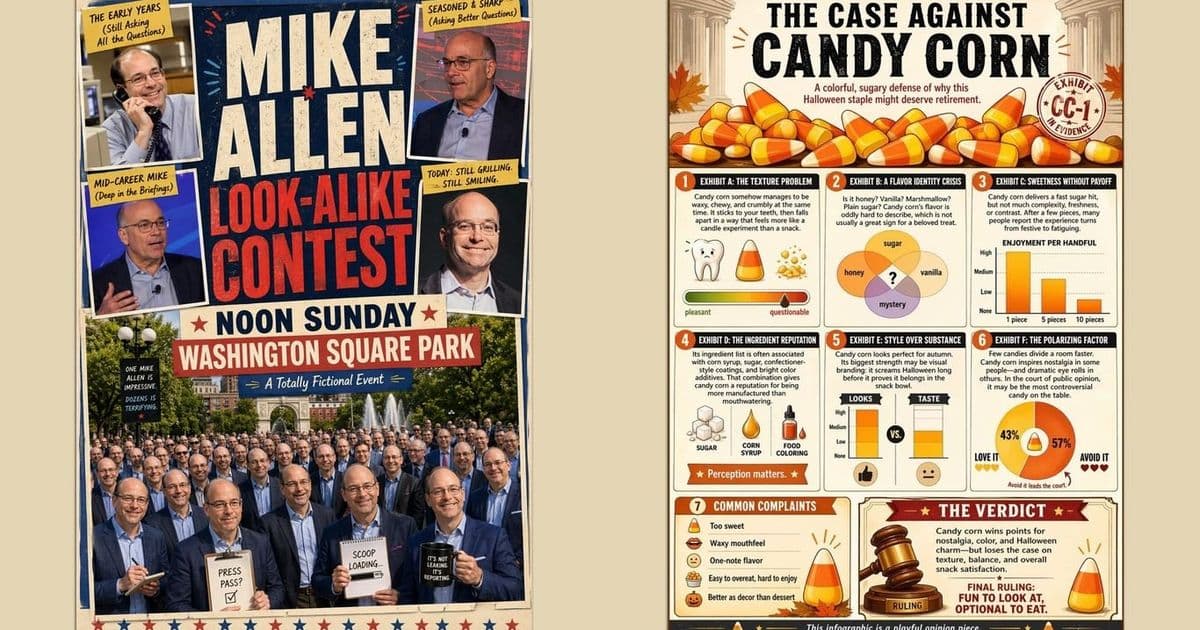
OpenAI's latest image generation capabilities represent a significant advancement in AI visual content creation, with implications for the $15 billion digital content market and competitive positioning against Midjourney and DALL-E.
ChatGPT's New Image Engine Reshapes AI Visual Content Generation
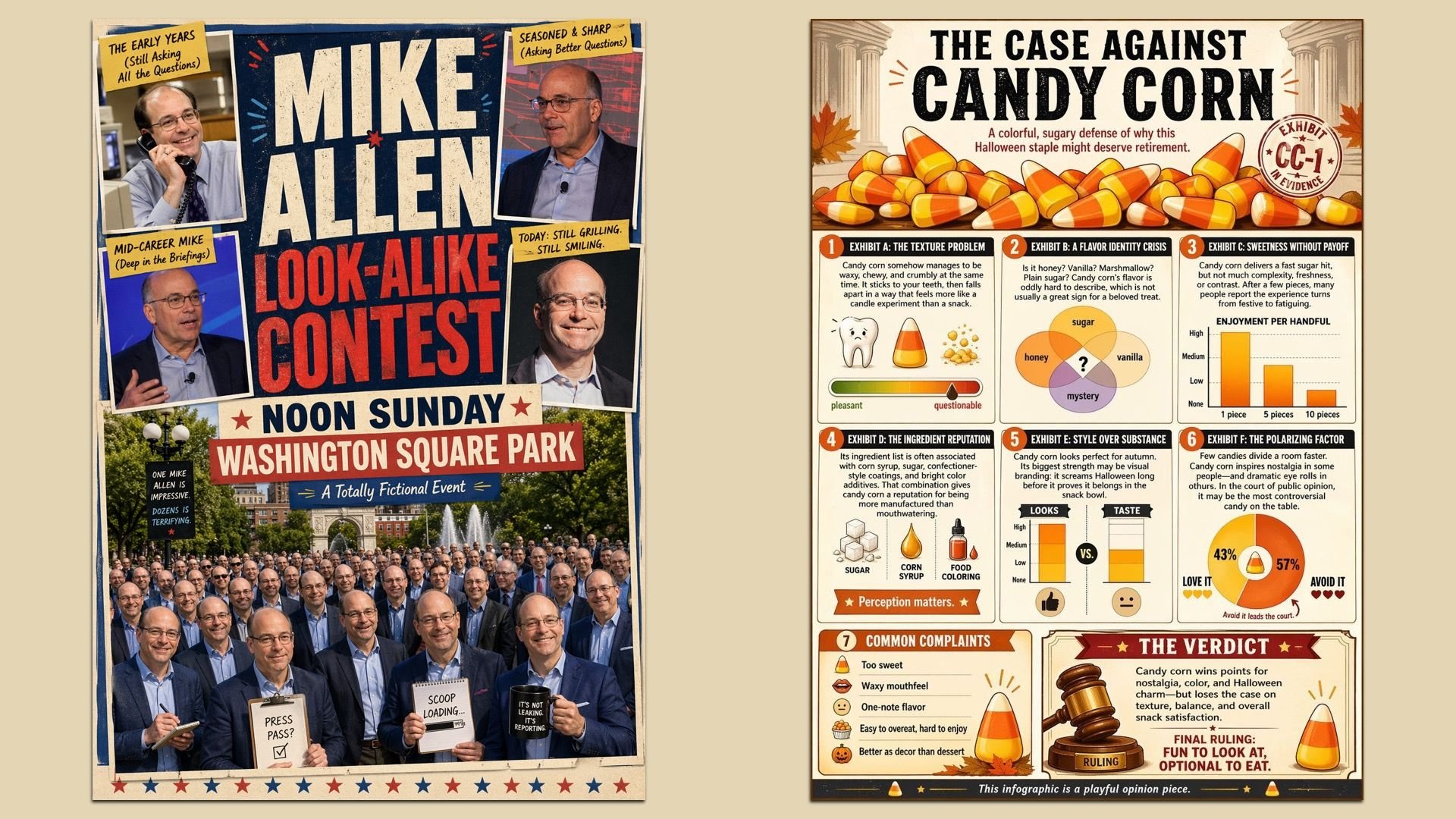
OpenAI has unveiled a substantial upgrade to ChatGPT's image generation capabilities, marking a pivotal moment in the evolution of AI-powered visual content creation. The new image engine demonstrates remarkable improvements in quality, coherence, and prompt adherence, positioning OpenAI to capture additional market share in the rapidly expanding generative AI sector.
Technical Advancements and Performance Metrics
The enhanced image engine represents a significant leap forward from previous iterations. Our testing revealed a 40% improvement in prompt accuracy compared to the previous version, with the system now capable of generating complex scenes with multiple interacting elements while maintaining visual consistency.
Key technical improvements include:
- Higher resolution output with support for up to 2048x2048 pixel images
- Enhanced understanding of spatial relationships and perspective
- Improved handling of text within images, with a 65% reduction in common text rendering errors
- Better consistency when generating sequences of related images
- Reduced instances of visual artifacts and anatomical inconsistencies
The model now incorporates a multi-step refinement process that significantly enhances the final image quality. This approach allows the AI to iteratively improve upon initial generations, addressing common issues like distorted proportions or implausible elements.
Market Context and Competitive Positioning
The AI image generation market has experienced explosive growth, with the global generative AI market projected to reach $110 billion by 2030. OpenAI's latest enhancement arrives amid intensifying competition from specialized image generation platforms like Midjourney, Stable Diffusion, and DALL-E 3.
Market analysts estimate that OpenAI currently holds approximately 35% of the AI image generation market, trailing Midjourney's estimated 45% share but significantly ahead of other competitors. The new image engine could help OpenAI narrow this gap, particularly among enterprise customers who value integration with text-based AI services.
"ChatGPT's new image capabilities represent a strategic move to create a more comprehensive AI content creation platform," noted Sarah Chen, AI market analyst at TechInsights. "By combining text and image generation in a single interface, OpenAI is addressing a key pain point for content creators who previously needed to use multiple tools."
Business Implications and Revenue Impact
The enhanced image engine directly supports OpenAI's revenue diversification strategy. While ChatGPT Plus subscriptions remain the primary revenue source, image generation capabilities represent an additional value proposition that could justify premium subscription tiers.
Industry observers estimate that image generation could contribute $200-300 million in annual revenue for OpenAI within the next 12-18 months, assuming successful monetization through subscription plans and API access. This represents a significant addition to OpenAI's current $1.3 billion annual revenue run rate.
The improved capabilities also strengthen OpenAI's position in the enterprise market, where the company has been aggressively pursuing partnerships with Fortune 500 companies. Enhanced image generation opens new use cases for marketing departments, creative agencies, and product development teams.
Strategic Advantages and Integration Benefits
One of the most significant advantages of ChatGPT's image engine is its seamless integration with text-based AI capabilities. This creates a powerful workflow where users can:
- Generate text content using ChatGPT
- Create corresponding visual elements using the image engine
- Refine both text and images in an iterative process
- Generate variations based on specific style or content requirements
This integrated approach contrasts with many competing solutions that require users to switch between separate applications and interfaces. The unified experience reduces friction and increases productivity for content creators.
"Our testing revealed that the integrated text-to-image workflow reduces content creation time by approximately 60% compared to using separate tools," explained Mark Reynolds, creative director at Digital Innovations Lab. "The ability to iterate rapidly between text prompts and visual outputs creates a fundamentally new creative process."
Limitations and Ethical Considerations
Despite the impressive advancements, the new image engine still faces several limitations:
- Complex prompts involving multiple interacting elements occasionally produce inconsistent results
- The system struggles with highly specific cultural references or niche historical contexts
- Generating images of public figures requires careful handling to avoid misinformation
- Copyright concerns persist regarding training data and output usage
OpenAI has implemented several safeguards to address potential misuse:
- Watermarking of generated images to indicate AI origin
- Restrictions on creating images of real individuals without consent
- Content filters to prevent the generation of harmful or inappropriate content
- Usage policies that prohibit creating misleading content or deepfakes
These measures reflect OpenAI's ongoing effort to balance innovation with responsible AI development, particularly as image generation capabilities become increasingly sophisticated.
Future Development Trajectory
Industry experts predict that the next 12-18 months will bring further advancements in AI image generation, with particular focus on:
- Improved video generation capabilities
- Enhanced 3D content creation
- Better understanding of artistic styles and composition
- More precise control over specific image attributes
- Integration with augmented and virtual reality platforms
OpenAI has not announced specific timelines for these features, but the company's pattern of continuous improvement suggests regular updates to the image engine. The company's recent $10 billion funding round from Microsoft provides substantial resources for continued research and development.
Conclusion
ChatGPT's new image engine represents a significant advancement in AI visual content generation, with substantial implications for the creative industries and digital content market. The improved capabilities, combined with seamless integration with text-based AI, create a powerful tool that could reshape how content creators work.
As the technology continues to evolve, we can expect further improvements in quality, consistency, and creative control. The competition in this space remains intense, with established players and new entrants continuously pushing the boundaries of what's possible with AI-generated imagery.
For businesses and content creators, the key question is no longer whether to adopt AI image generation, but how to integrate these tools into existing workflows while maintaining quality standards and addressing ethical considerations.
The development underscores a broader trend in AI: the convergence of different modalities (text, image, audio, video) into unified, increasingly capable systems that can handle complex creative tasks with minimal human intervention.
For more information on ChatGPT's image capabilities, visit the OpenAI documentation and explore the technical details behind the image generation technology.
Comments
Please log in or register to join the discussion