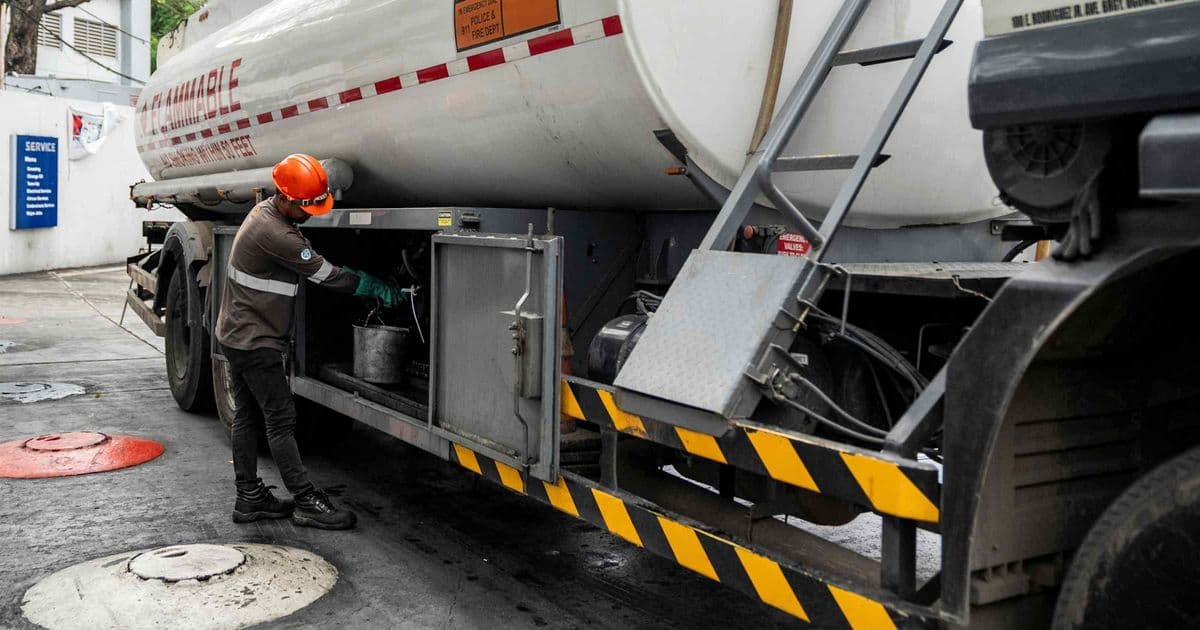
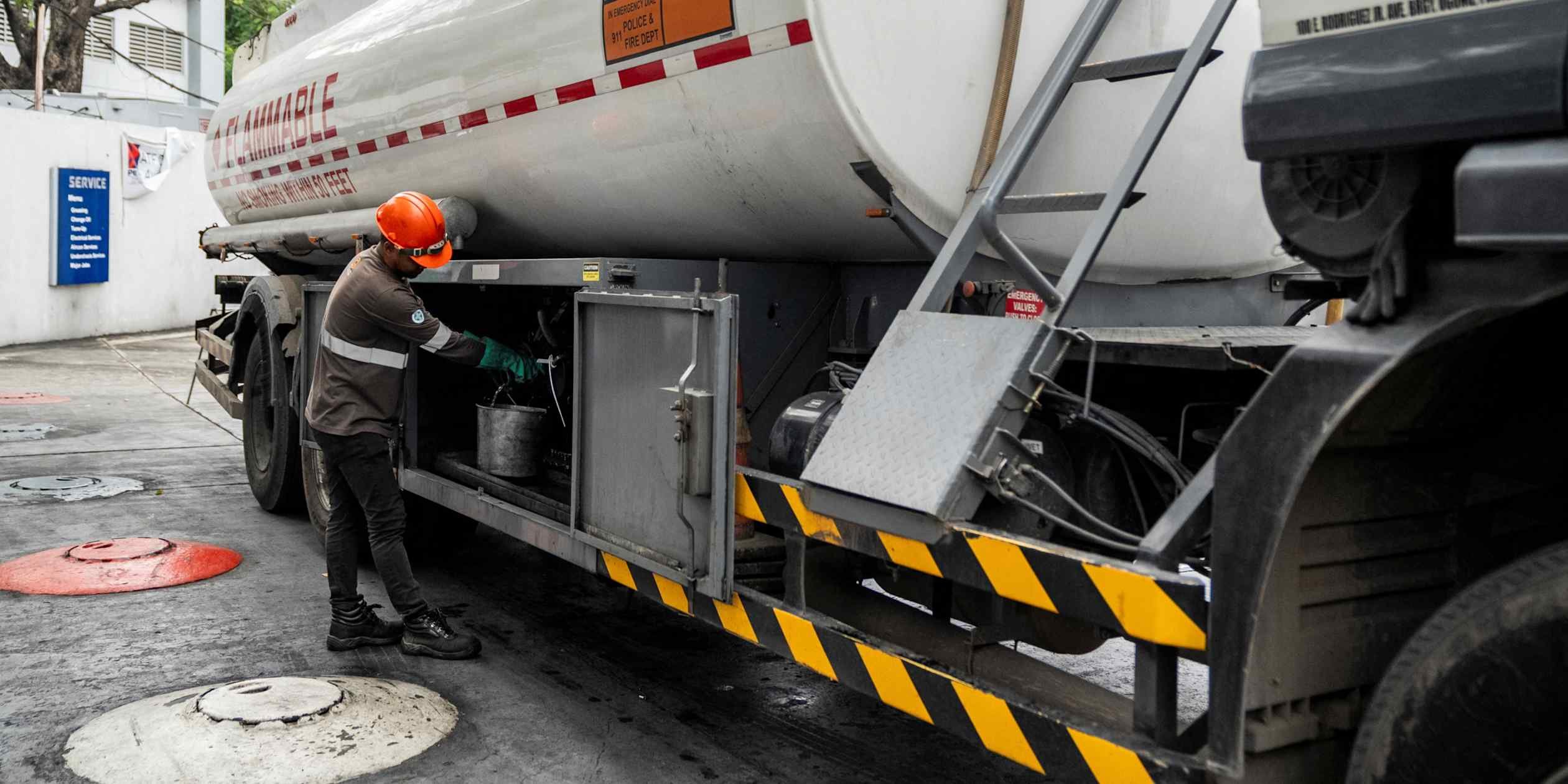
Japan and JICA will begin a joint survey of public and private oil stockpiling systems across Southeast Asia this summer, with the Philippines designated as a top‑priority partner. The move aims to bolster regional energy security amid heightened geopolitical tension and volatile crude markets.
Japan Prioritises Philippine Oil Reserve Support as Southeast Asian Stockpiling Survey Launches
Business news
Japan’s Ministry of Economy, Trade and Industry (METI) announced that, together with the Japan International Cooperation Agency (JICA), it will commence a comprehensive survey of oil stockpiling facilities in Southeast Asia from July 2026. The Philippines has been singled out as a “top priority” for technical assistance and financing under the programme. The survey will cover both government‑run strategic reserves and privately owned commercial storage sites, evaluating capacity, safety standards, and the ability to mobilise fuel in an emergency.
Market context
- Crude import exposure: Japan’s crude oil imports from the Middle East have fallen roughly 50 % since the Iran‑Israel conflict escalated in early 2024, forcing Japanese refiners to diversify supply chains toward the United States, Canada and West Africa. The shift has left Japan more vulnerable to regional supply shocks, especially in the Strait of Hormuz, a chokepoint that now accounts for about 20 % of global oil transit.
- Regional demand: The Association of Southeast Asian Nations (ASEAN) collectively consumes about 7 million barrels per day (bpd) of petroleum products, with the Philippines contributing roughly 1.2 million bpd. However, the country’s strategic reserve capacity sits at only 1.5 days of consumption, well below the International Energy Agency’s (IEA) recommended 90‑day buffer.
- Geopolitical pressure: Ongoing disputes in the South China Sea have prompted Manila to seek diversified security guarantees. Japan’s willingness to support oil reserve infrastructure aligns with its broader “Free and Open Indo‑Pacific” strategy, which includes joint maritime patrols and intelligence‑sharing agreements with Manila.
- Financial scale: JICA has earmarked ¥12 billion (≈ US$78 million) for the first phase of the programme, covering feasibility studies, technical upgrades, and training for local operators. An additional ¥30 billion is expected to flow from private Japanese investors through a public‑private partnership (PPP) model, targeting the construction of new underground storage tanks and the retrofitting of existing facilities to meet International Maritime Organization (IMO) safety standards.
What it means
- Enhanced energy resilience for the Philippines – By upgrading storage capacity and safety protocols, Manila can reduce its reliance on daily imports, lowering exposure to price spikes that have pushed domestic gasoline prices up 12 % year‑on‑year since 2025.
- Strategic foothold for Japan – Supporting Philippine reserves gives Japan a tangible asset in a country that is increasingly aligning with Tokyo on security matters. The move may also pave the way for Japanese firms to win contracts for tank construction, pipeline upgrades, and digital monitoring solutions.
- Signal to China – While the initiative is framed as a technical assistance programme, it underscores Tokyo’s willingness to deepen defence‑economic ties with Manila despite Beijing’s objections to any external involvement in the South China Sea.
- Potential ripple effects across ASEAN – The survey will also assess stockpiling systems in Thailand, Vietnam and Malaysia. Findings could trigger a wave of similar assistance packages, creating a regional market for Japanese engineering firms such as Fujikura, JFE and Mitsubishi Heavy Industries.
- Risk mitigation for Japanese refiners – A more robust reserve network in the Philippines reduces the likelihood of supply disruptions that could force Japanese importers to resort to spot market purchases at premium prices, which have averaged a $4‑$5 per barrel surcharge since the Hormuz crisis began.
Key figures
- Japan’s crude imports from the Middle East: down 50 % YoY (2024‑2026)
- Philippines oil consumption: 1.2 million bpd (2025)
- Current strategic reserve coverage in the Philippines: 1.5 days of consumption
- JICA funding for Phase 1: ¥12 billion (US$78 million)
- Expected private investment: ¥30 billion (US$195 million)
The upcoming survey, slated for launch in July, will be the first coordinated effort by Japan to map and upgrade Southeast Asian oil reserves since the 2022 energy security review. Its outcomes will likely shape the next round of infrastructure financing in the region and could become a benchmark for how major economies address supply‑chain fragility in a geopolitically tense environment.
Comments
Please log in or register to join the discussion