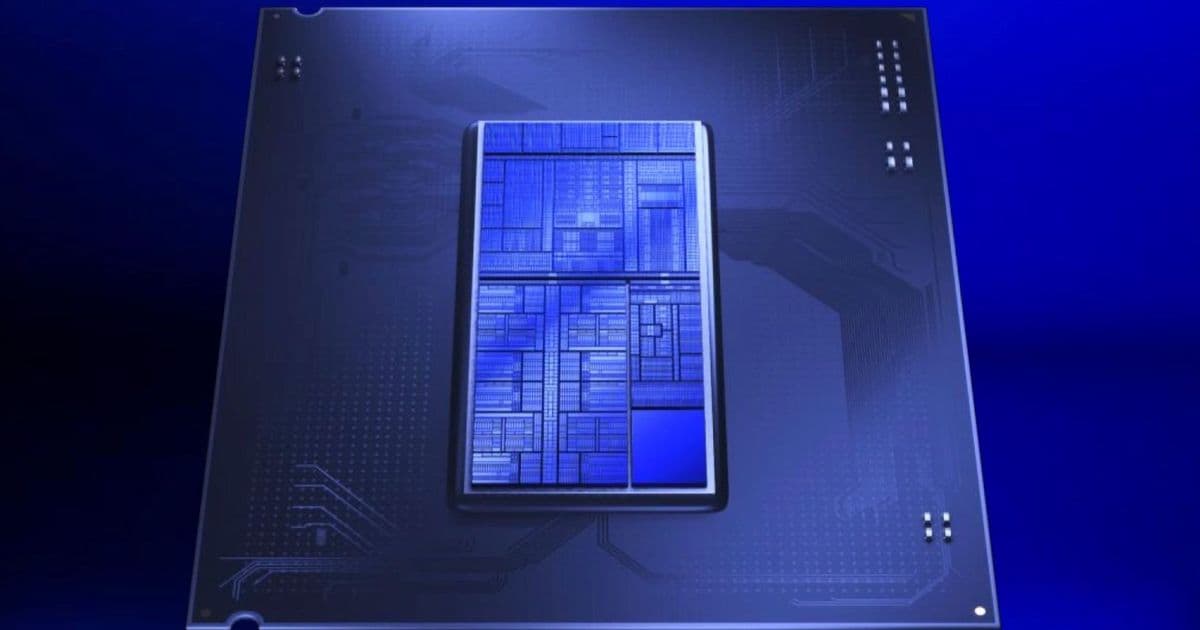
Intel has unveiled two new Raptor Lake‑based mobile CPUs, the Core 7 230H and Core 5 205H, that ship without an integrated graphics unit. Intended for compact desktop boards and OEMs that pair laptop dies with desktop form factors, the chips mirror the existing 240H/210H parts in core count, clock speeds and power envelope, but rely on a discrete GPU for graphics.
What’s new
Intel’s latest update to the Core 200H family introduces two iGPU‑disabled SKUs: the Core 7 230H and Core 5 205H. Both are built on the Raptor Lake Refresh die that powers the existing Core 7 240H and Core 5 210H, but the integrated graphics block is permanently disabled at the factory. The move marks the first time a Core 200H part ships without any on‑chip graphics capability.
| Model | P‑cores | E‑cores | Threads | Max Turbo (P‑core) | L3 Cache | TDP (base) |
|---|---|---|---|---|---|---|
| Core 7 230H | 6 | 4 | 16 | 5.2 GHz | 24 MB | 45 W |
| Core 5 205H | 4 | 4 | 12 | 4.8 GHz | 12 MB | 45 W |
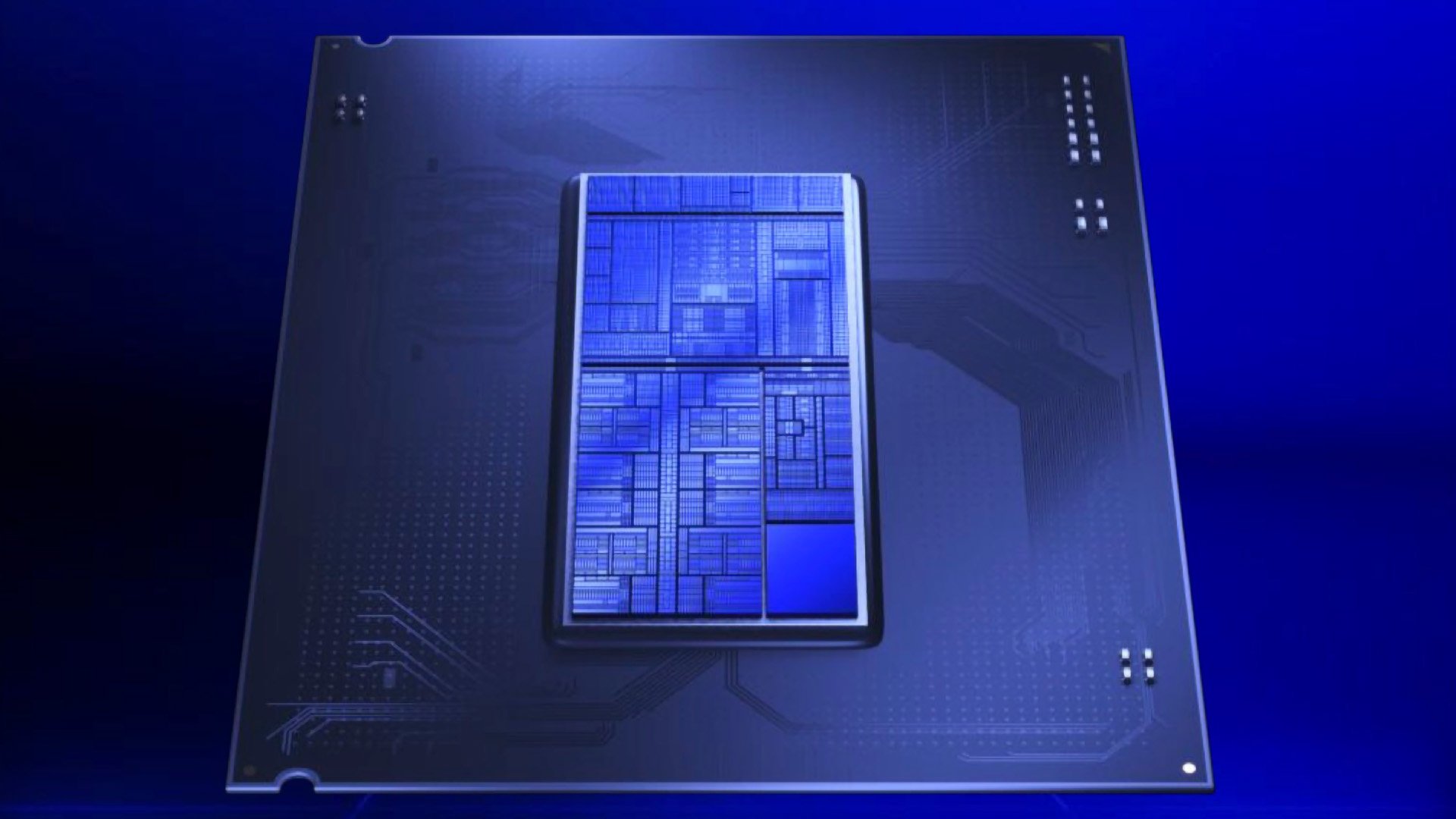 Caption: Intel’s Core 200H family now includes iGPU‑less variants (Image credit: Intel)
How it compares
To the 240H/210H siblings
The 230H and 205H are essentially clones of the 240H and 210H, respectively. Core counts, cache sizes and the 45 W PL1 power envelope are identical. The only difference is the disabled Intel UHD Graphics 770 block. Benchmarks that focus on CPU‑only workloads (e.g., Cinebench R23, 7‑zip compression) will show no measurable gap between the disabled‑iGPU parts and their graphics‑enabled counterparts.
To competing desktop parts
| Chip | Cores/Threads | Base/Turbo Power | Max Turbo | Price (MSRP) |
|---|---|---|---|---|
| Intel Core 7 230H | 10/16 | 45 W | 5.2 GHz | $149 |
| AMD Ryzen 5 5600G* | 6/12 | 65 W | 4.4 GHz | $139 |
| Intel Core i5‑12400F | 6/12 | 65 W | 4.4 GHz | $147 |
*The Ryzen 5 5600G includes Radeon Vega graphics, while the i5‑12400F is a desktop‑only part with no iGPU. The 230H sits between these two: it offers more cores than the 5600G and a higher turbo frequency, but it requires a discrete GPU just like the 12400F. For small‑form‑factor (SFF) builds that already plan a dedicated graphics card, the 230H gives a higher thread count without the power‑draw overhead of an integrated GPU.
To Intel’s newer architectures
The Core 200H series is based on Raptor Lake Refresh, an iteration of the 13th‑gen architecture. It lacks the new Xe‑LP graphics, tiled cache, and AVX‑512 extensions found in Meteor Lake, Lunar Lake, and Arrow Lake. Consequently, the iGPU‑less 200H parts are not positioned as a performance‑oriented alternative to those newer chips; they are a cost‑effective solution for OEMs that value the proven Raptor Lake core design and want to keep the board layout simple.
Who it’s for
OEMs building compact desktops
Manufacturers of mini‑ITX and micro‑ATX motherboards have been pairing laptop‑class dies with desktop‑style power delivery for years. The advantage is a high core count in a small thermal envelope, which works well in cases like the Mini‑ITX NUC‑style chassis or thin‑client boxes. By removing the iGPU, Intel reduces die cost and simplifies PCB routing, letting OEMs price the board lower while still offering a CPU that can handle multi‑threaded workloads such as office productivity, light video encoding, or virtualization.
Users who already plan a discrete GPU
If you are assembling a SFF gaming rig or a workstation that will carry a dedicated GPU (e.g., RTX 4060 Ti or Radeon 7600 XT), the lack of an iGPU is largely irrelevant. You gain a higher core count for the same 45 W budget, and the system can stay within a 65 W‑class PSU envelope thanks to the efficient Raptor Lake design.
Not ideal for battery‑powered laptops
Laptop makers could technically ship the 230H/205H in notebooks, but the absence of an iGPU would drastically reduce battery life for anything that isn’t running on the discrete GPU. Modern laptops rely on the low‑power UHD graphics for tasks like web browsing, video playback, and idle operation. Without that fallback, power draw would stay at the higher CPU‑only levels, making the chips unsuitable for most portable scenarios.
What this means for the market
Intel’s decision to ship iGPU‑less mobile parts reflects a maturing ecosystem where the line between “mobile” and “desktop” dies is blurring. OEMs that specialize in SFF desktops can now source a part that matches the thermal profile of a laptop CPU while avoiding the extra silicon cost of an integrated graphics block they never intend to use. For end users, the practical impact will be modest: if you buy a pre‑built mini‑ITX system with a discrete GPU, you may see a slightly higher multi‑threaded performance for the same price tier.
The information above is based on Intel’s product pages and early motherboard listings from MaxSun. Pricing and availability may vary by region and OEM.
Comments
Please log in or register to join the discussion