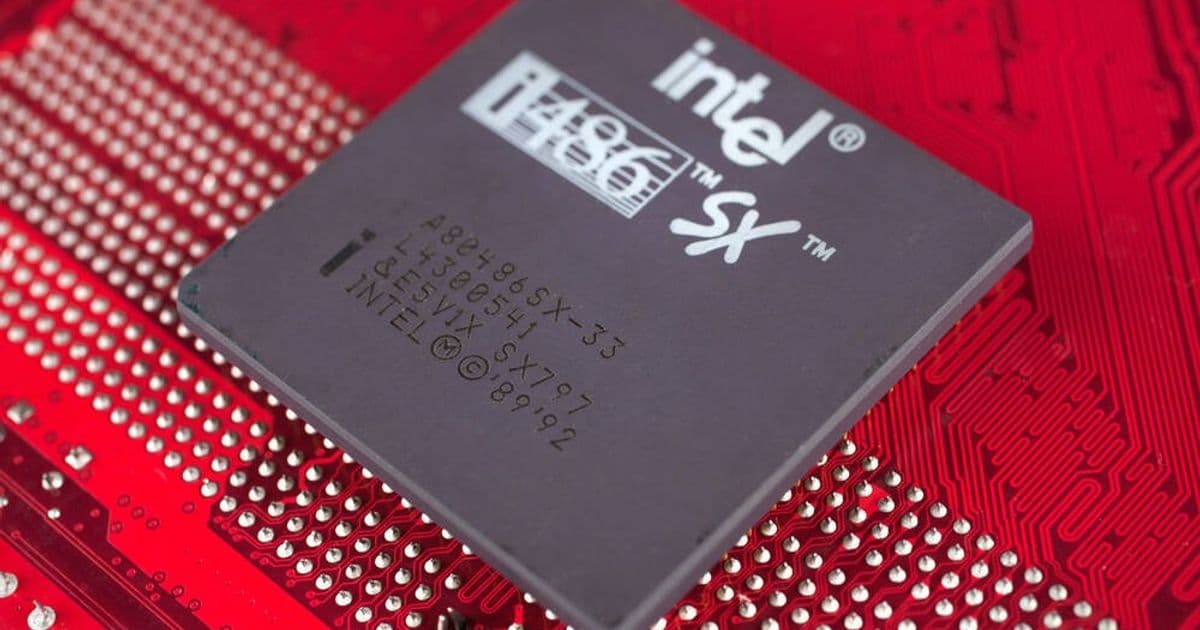
After nearly a year of discussion, Linux kernel contributor Ingo Molnar has proposed removing 486-class CPU support from Linux 7.1, marking the first time since 2012 that processor architecture support will be retired from the kernel.
After nearly a year of discussion, Linux kernel contributor Ingo Molnar has proposed removing 486-class CPU support from Linux 7.1, marking the first time since 2012 that processor architecture support will be retired from the kernel.
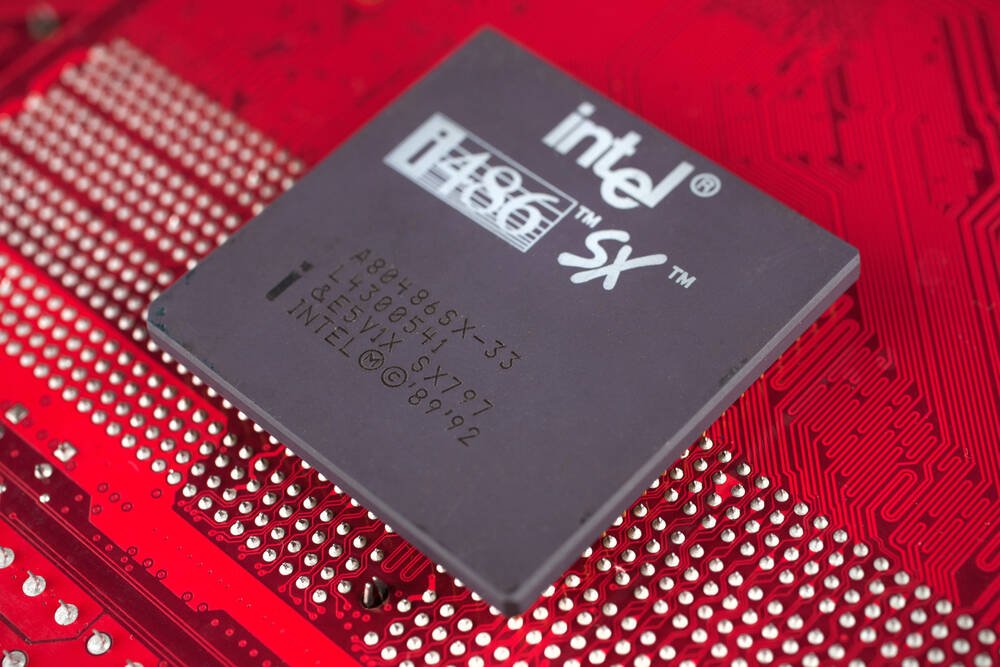
The patch, which Molnar queued up at the end of March 2026, would begin phasing out support for 80486-generation chips by removing the M486, M486SX, and MELAN configuration options from Kconfig. This effectively prevents new upstream kernels from being configured specifically for 486-class systems.
The change has been a long time coming. Linux maestro Linus Torvalds first contemplated removing 80486 chips from the kernel back in 2022, expressing similar sentiments when killing the 386. "I really don't think i486 class hardware is relevant any more," Torvalds said at the time, noting that while some people may still operate 486 systems, they aren't relevant from a kernel development standpoint.
Torvalds was unsentimental about the decision: "At some point, people have them as museum pieces. They might as well run museum kernels." In other words, if you want to run an old piece of hardware, you're just going to have to rely on an old version of the Linux kernel going forward from 7.1.
Why Remove 486 Support Now?
The kernel maintainers haven't been working on this purge for some time. Molnar first proposed dropping 486 support in April 2025, noting a discussion with Torvalds in the patch notes. He reiterated his feeling that it was time to ditch 486 support because it was wasting developers' time.
"We have various complicated hardware emulation facilities on x86-32 to support ancient 32-bit CPUs that very very few people are using with modern kernels," Molnar explained. "This compatibility glue is sometimes even causing problems that people spend time to resolve, which time could be spent on other things."
Molnar originally proposed eliminating 486 support by requiring the next kernel version to require chips to support Time Stamp Counter and the CMPXCHG8B instruction, which aren't present in 80486-family chips and some 586 derivatives. It's not clear what happened in the just shy of a year since this proposal was made, but the kernel.org discussion chain that began with those recommendations has been ongoing for a year, with Molnar making multiple rounds of changes to his proposal since then.
As of this latest merge request, it appears simply cutting off the configuration options for 486-family chips has been chosen as the way forward.
What This Means for Users
With the final release of Linux kernel 7.0 due sometime in the next few months, 7.1 can be expected sometime in the middle of 2026. Whether this 486-killing patch proposal finally makes the cut remains to be seen.
Either way, Molnar noted in his request, there's no recent kernel package that supports 486 chips, so "actual users should not be impacted" either way. "Legacy users can keep using older kernels," Molnar added.
This marks the first time since 2012 that processor architecture support will be removed from the Linux kernel. That year, support for 80386 processors was removed, and now the 486 is following suit.
The decision reflects the reality that maintaining compatibility with ancient hardware consumes developer resources that could be better spent on modern features and improvements. For the vast majority of Linux users running hardware from the last two decades, this change will be completely transparent.
For those few who still operate genuine 486 systems, the message is clear: stick with older kernel versions if you need continued support. For everyone else, this is just another step in Linux's evolution toward supporting modern computing needs.
Comments
Please log in or register to join the discussion