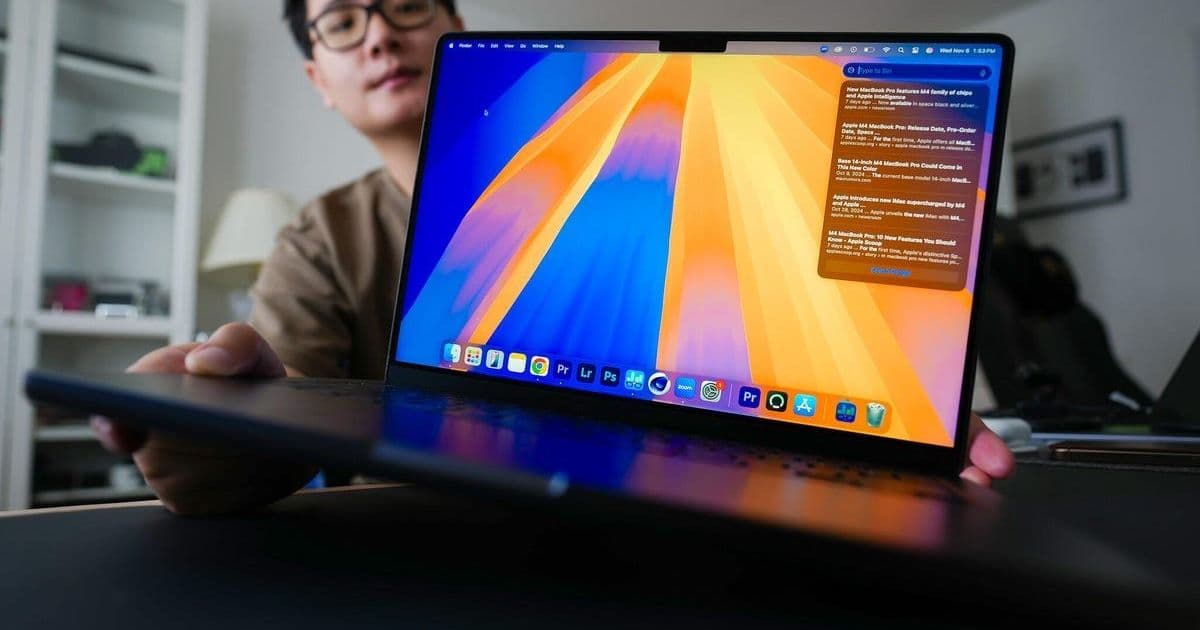
Apple has unleashed the public beta for MacOS 26 Tahoe, delivering a sweeping overhaul with Liquid Glass design, iPhone-Mac integration, and AI-powered tools. This free upgrade streamlines cross-device workflows but excludes Intel-based Macs, signaling a decisive shift toward Apple Silicon dominance.
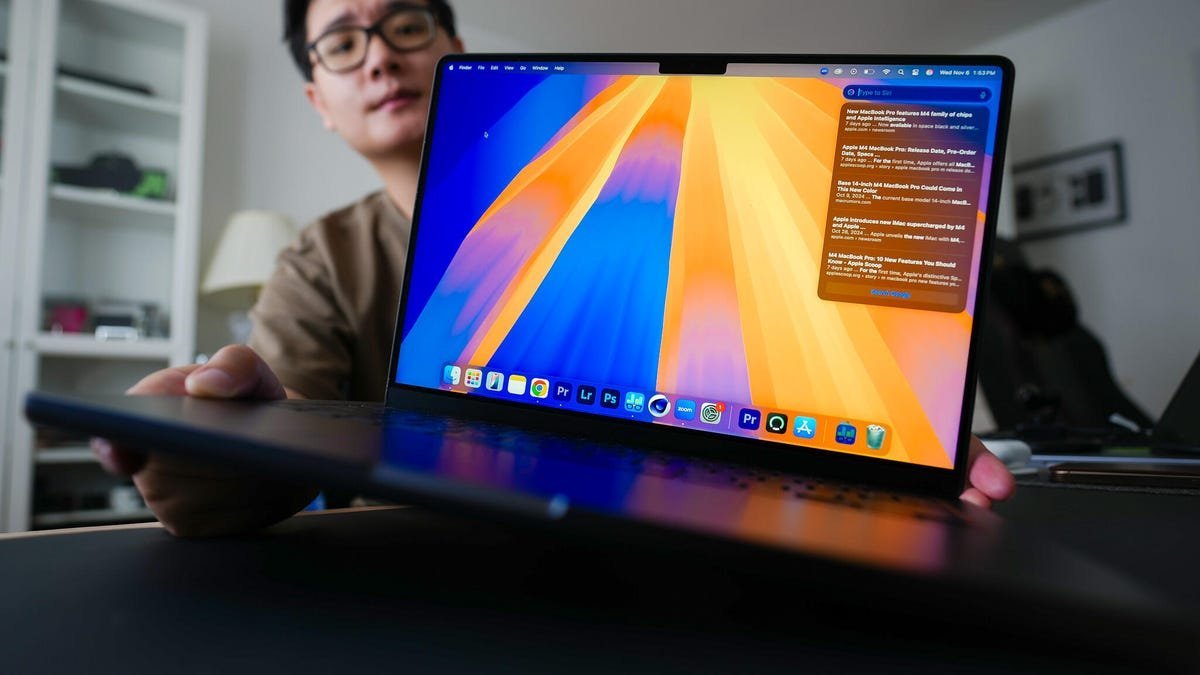
Apple’s MacOS 26 Tahoe has entered its public beta phase, marking a pivotal moment for developers and power users eager to test-drive features that promise to blur the lines between Mac and iPhone. Announced at WWDC and now accessible to the masses, Tahoe isn’t just an incremental update—it’s a strategic push to unify Apple’s ecosystem under a cohesive design language and intelligence layer. But with compatibility limited to M-series chips, it’s also a stark farewell to Intel-era hardware. Here’s a deep dive into the five most consequential features reshaping the Mac experience.
1. Phone App Lands on Mac: Seamless Calls and Live Activities
For the first time, the Phone app is natively integrated into MacOS, syncing calls, contacts, and live activities (like Uber tracking or food deliveries) directly from your iPhone. With features such as Hold Assist and Call Screening ported from iOS 26, users can initiate or manage calls without touching their phone. Paired with iPhone Mirroring, this eliminates device-switching friction—ideal for developers debugging cross-platform apps or professionals juggling workflows. It’s a clear nod toward Apple’s vision of the Mac as a hub for all devices, not just a standalone workstation.
2. Liquid Glass: A Unified Aesthetic Revolution
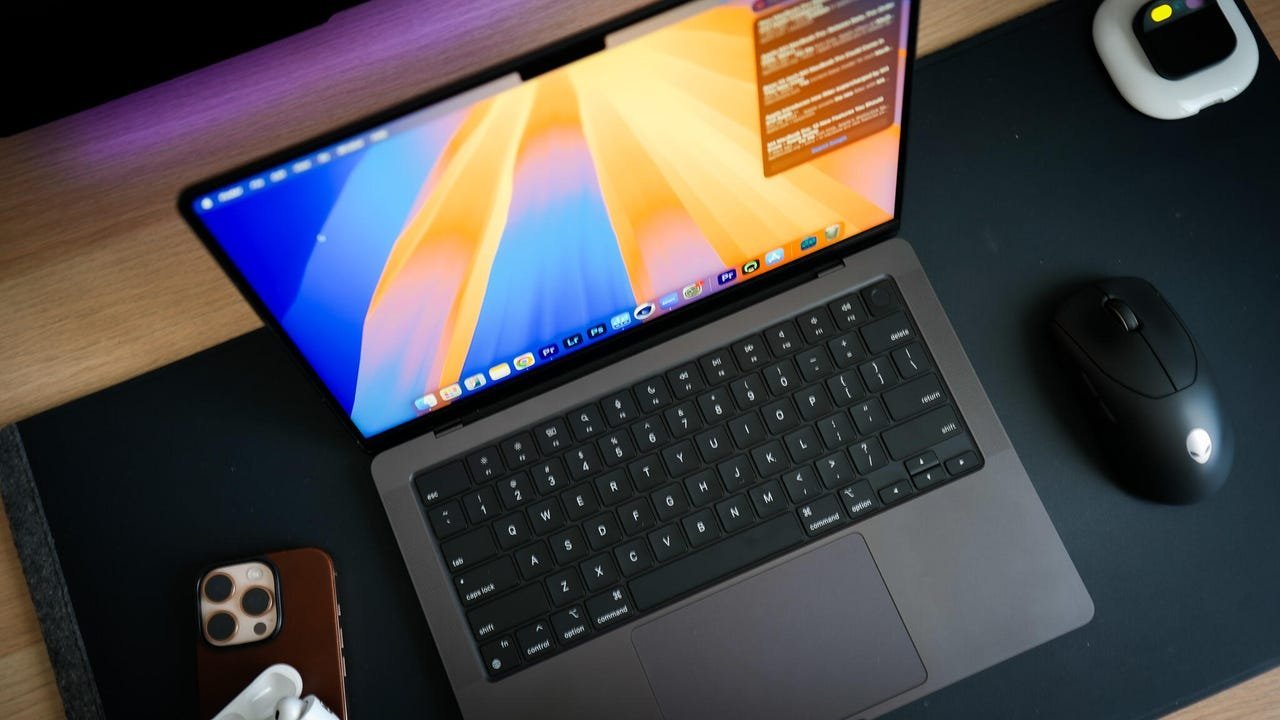 Caption: Kerry Wan/ZDNET
Tahoe adopts iOS’s Liquid Glass design, transforming the Mac interface with translucent docks, rounded elements, and dynamic theming. Beyond aesthetics, it’s a functional shift: reduced UI clutter frees screen real estate, while customizable icons, folders (even emoji-themed ones), and control center layouts offer unprecedented personalization. For developers, this signals Apple’s commitment to visual consistency across platforms—simplifying app design but demanding updates to leverage new UI frameworks.
3. Spotlight Evolves into an AI-Powered Command Center
Spotlight transcends basic search, morphing into a Shortcuts-integrated toolkit. Now, typing commands like “adjust saturation” in a photo app or “sm” to message a contact executes actions instantly, bypassing app navigation. Underpinned by Apple Intelligence, it supports on-device AI for tasks like text summarization or image generation, with optional ChatGPT integration. This isn’t just convenience; it’s a paradigm shift toward contextual computing, where developers can tap into Spotlight APIs to embed app-specific functions—potentially revolutionizing productivity tools.
4. Apple Intelligence Opens the Door to Third-Party Innovation
Beyond Siri enhancements, Tahoe invites developers to build apps that harness Apple Intelligence. By exposing APIs for on-device AI, Apple is crowdsourcing innovation to close the gap with rivals like Google and OpenAI. Early use cases include automated document analysis and smart workflow automations, but the real win is extensibility: developers can now create AI features that feel native, without relying solely on Apple’s roadmap. It’s a savvy move to accelerate ecosystem lock-in while mitigating AI feature lag.
5. Dedicated Games App and Metal 4: A Play for Gamers
The new Games app centralizes titles, friends lists, and performance overlays, while Metal 4’s Frame Interpolation and Denoising boost graphics fidelity and frame rates. This isn’t just about entertainment—it’s Apple courting game developers with tools to port AAA titles to Mac, leveraging the M-series chip’s power. For an ecosystem historically weak in gaming, Tahoe could be a turning point.
The Intel Cutoff: What It Means for Users and Developers
Tahoe’s M1-or-newer requirement formalizes Apple’s divorce from Intel. While older Macs retain Sequoia or Sonoma support, this move accelerates the Silicon transition, pushing developers to optimize for Apple’s architecture. The upside? Unified hardware unlocks performance gains for AI and graphics; the downside? Fragmentation risks leaving users behind. As Tahoe rolls out this fall, its success hinges on whether these features deliver enough value to justify the upgrade—and whether developers seize the AI opportunities now on the table.
Source: Adapted from Kyle Kucharski's original reporting for ZDNET.
Comments
Please log in or register to join the discussion