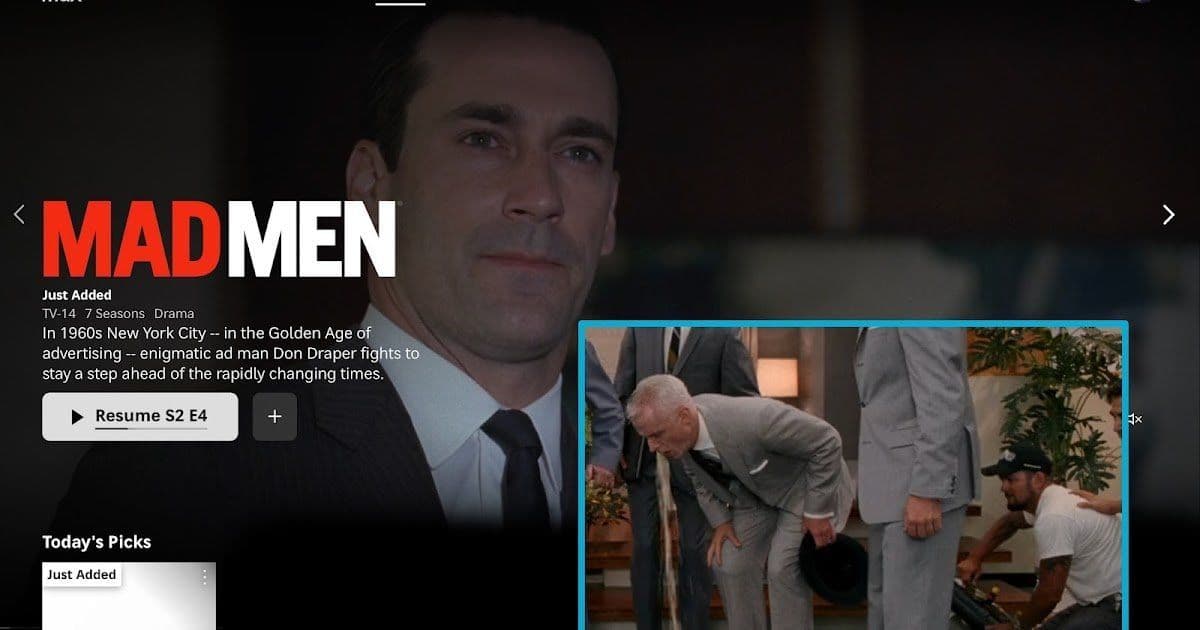
HBO Max's high-profile 4K release of 'Mad Men' has exposed critical vulnerabilities in digital media restoration workflows, raising urgent questions about quality control in the streaming era.
The recent 4K restoration of Mad Men on HBO Max, produced by Lionsgate TV, was positioned as a crown jewel for streaming premium content. Yet its rollout has instead become a stark case study in the perils of digital media remastering, underscoring systemic risks in how historical film archives are transitioned for modern platforms.
"This isn't just about resolution – it's about the integrity of the creative process when bridging analog and digital workflows."
The series presents a unique technical challenge: seasons 1-4 were shot on 35mm film, while seasons 5-7 used Alexa digital cinematography. Despite this hybrid origin, the entire run was originally mastered in 1080p HD. The 4K restoration promised to unlock unprecedented detail, but early reports reveal significant inconsistencies in color grading, grain management, and digital artifacting – particularly in digitally shot segments.
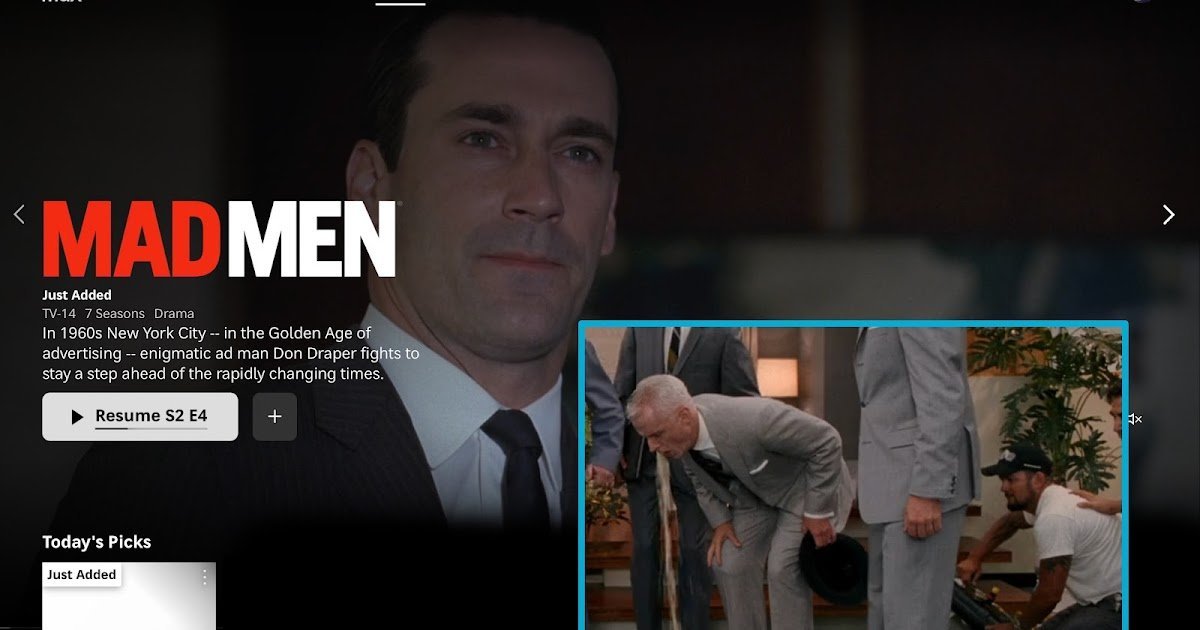
The debacle highlights three critical technical failures plaguing modern restorations:
- Workflow Fragmentation: Separating film and digital restoration paths without unified color science standards creates jarring visual discontinuity between seasons.
- AI Over-reliance: Automated grain smoothing algorithms have inadvertently erased subtle film textures while introducing digital noise in digitally shot scenes.
- Metadata Corruption: Original production data loss during the HD-to-4K upscaling process has resulted in incorrect gamma curves in key episodes.
For developers and engineers, this case exposes the fragility of media asset pipelines. The restoration process likely relied on outdated container formats (like MXF) without proper version control for intermediate files. More troublingly, the absence of automated regression testing for color consistency across episodes suggests a fundamental gap in quality assurance protocols for streaming media.
The implications extend beyond entertainment. As cultural institutions digitize archives, this incident serves as a warning: without rigorous technical validation, "restored" content may permanently degrade artistic legacy. For streaming platforms, it's a costly lesson that resolution alone cannot compensate for flawed digital preservation.
Ultimately, Mad Men's 4K journey reveals that true preservation requires more than just pixel counts – it demands a holistic approach to maintaining the creative intent of original masters across technological transitions.
Comments
Please log in or register to join the discussion