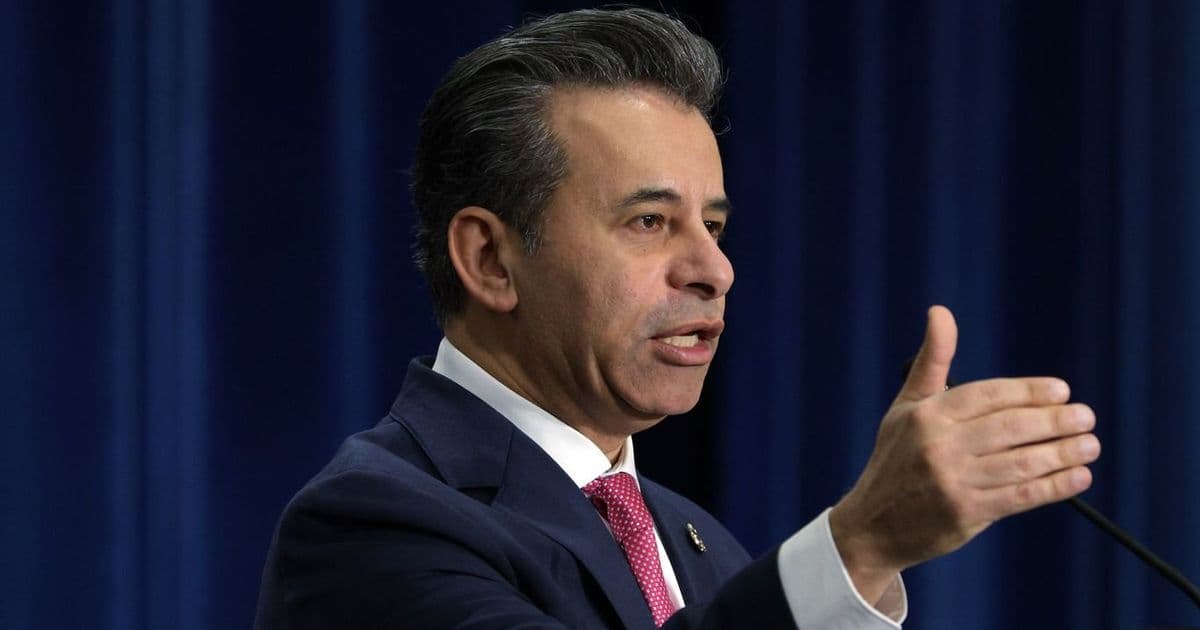
Former FDA commissioner Marty Makary’s departure leaves the agency without a clear champion for its pending reforms, raising questions about timelines for new drug approvals, medical device oversight, and the rollout of the agency’s digital health strategy.
Makary’s exit adds a layer of ambiguity to the FDA’s agenda
The sudden resignation of former FDA commissioner Marty Makary has left the agency’s leadership vacuum wider than anticipated. Makary, who stepped down after a brief stint, was widely seen as the public face of a series of reforms aimed at accelerating drug approvals, tightening medical‑device oversight, and expanding the FDA’s digital health framework. With his departure, the agency now faces a critical period of transition that could affect both industry timelines and public‑health outcomes.
Market context: Why the FDA matters now more than ever
- Drug pipeline pressure – In the past 12 months, the FDA cleared 45 novel therapeutics, a 12% increase over the prior year, but the agency’s backlog of pending New Drug Applications (NDAs) sits at roughly 1,200, according to the agency’s own data. Any slowdown in the review process could delay revenue streams for biotech firms that rely on timely approvals.
- Medical‑device scrutiny – The 2023 Medical Device Amendments introduced stricter post‑market surveillance requirements. Industry analysts estimate that compliance costs could rise by $1.3 billion annually for mid‑size manufacturers.
- Digital health surge – The FDA’s Digital Health Center of Excellence, launched in 2022, has already reviewed 320 software‑as‑a‑medical‑device (SaMD) submissions. A clear regulatory pathway is crucial for startups seeking venture capital; uncertainty can shrink funding rounds by up to 15%.
What Makary’s departure means for stakeholders
- Potential delay in policy rollout – Makary was slated to present a revised “Innovation Blueprint” to Congress in Q3, outlining faster pathways for breakthrough therapies. Without his advocacy, the blueprint may be postponed, pushing back expected reductions in review times from the current median of 10 months to possibly 14 months.
- Leadership vacuum at the helm – The FDA’s senior leadership team now consists of an acting commissioner and several interim directors. Historically, agencies operating under acting leadership experience a 7‑10% dip in the speed of rulemaking, according to a 2022 Government Accountability Office (GAO) study.
- Investor sentiment – Biotech ETFs, such as the iShares Nasdaq Biotechnology ETF (IBB), fell 2.3% in the trading session following the announcement. Analysts at BofA note that “regulatory clarity is a premium asset for biotech valuations; any erosion of that clarity will be reflected in stock price volatility.”
- Public‑health implications – The FDA’s ongoing rollout of the COVID‑19 vaccine booster guidance, which relies on rapid data assessment, could encounter slower decision cycles. A delay of even two weeks in guidance updates can affect vaccination rates, as seen in the 2023 flu season where a 10‑day lag correlated with a 4% rise in hospitalizations.
Strategic outlook for the industry
- Prepare for a longer review horizon – Companies with pipelines nearing the end of Phase III should consider filing supplemental NDAs earlier to buffer against possible delays.
- Engage with interim leadership – While an acting commissioner may lack the political clout of a Senate‑confirmed appointee, they still control the agency’s day‑to‑day operations. Early outreach can help shape interim guidance documents.
- Diversify regulatory pathways – Firms developing SaMD should explore the FDA’s “Pre‑Cert” program, which offers a streamlined review for companies with demonstrated quality systems. This could mitigate risk if broader policy reforms stall.
- Monitor congressional activity – The House Energy and Commerce Committee is expected to hold a hearing on FDA reform in the next month. Stakeholders should track testimony and be ready to submit comments during the notice‑and‑comment periods that follow.
Bottom line
Makary’s exit does not erase the FDA’s ongoing reform agenda, but it does introduce a period of uncertainty that could lengthen approval timelines, increase compliance costs, and temper investor enthusiasm. Companies that proactively adjust their regulatory strategies and maintain close dialogue with the agency’s interim leadership will be better positioned to navigate the coming months.
For further reading on the FDA’s digital health initiatives, see the agency’s official guidance on SaMD.
Comments
Please log in or register to join the discussion