
Super Smash Bros. creator Masahiro Sakurai highlights the loss of personal fulfillment in modern AAA game development due to team sizes ballooning into the hundreds.
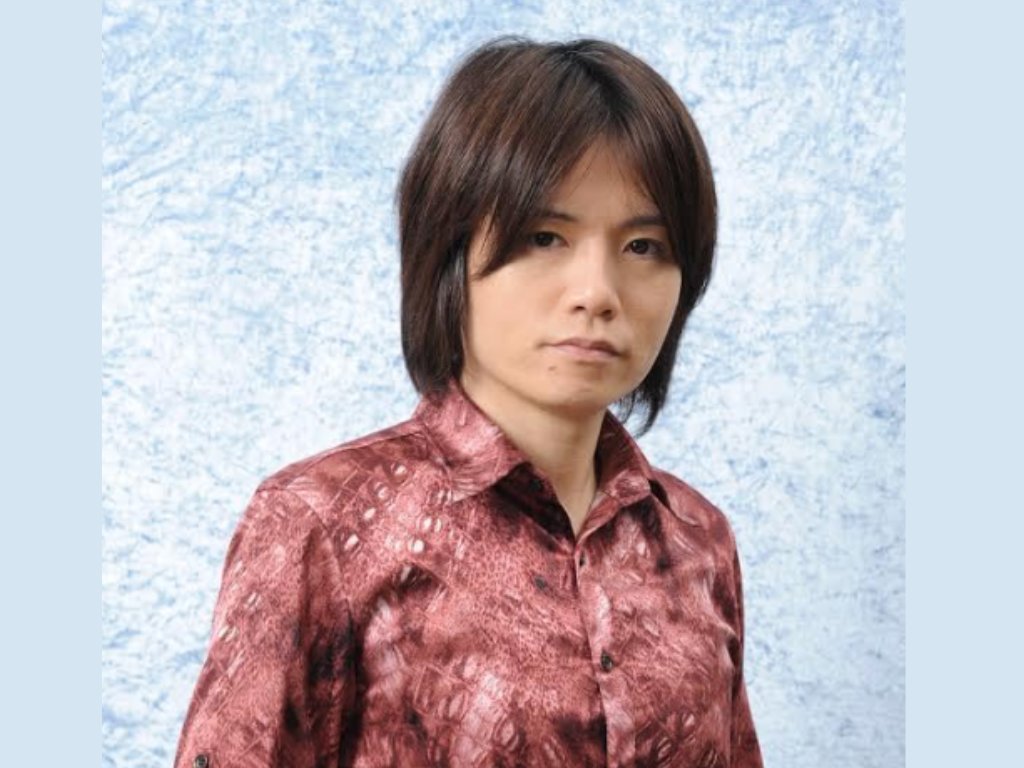
Veteran game designer Masahiro Sakurai, creator of the Super Smash Bros. series and Kirby franchise, has delivered a candid critique of modern AAA game development practices in a recent interview with Japanese outlet 47NEWS. The industry icon expressed frustration with the trend toward massive development teams, stating that working with hundreds of developers obscures individual contributions and diminishes creative satisfaction.
Sakurai contrasted today's development realities with his early career experiences in the 1990s, when small teams were the norm. He specifically noted: "It's very satisfying to see the results of your hard work. You don't get this when working in a team, and it can be really frustrating." To illustrate, he described how a pixel artist working independently gains clear ownership of their output, whereas large teams require constant negotiation over artistic direction that dilutes individual impact.
The designer quantified this shift using his own franchises. Kirby's Dream Land (1992) required just 14 credited developers, while Kirby and the Forgotten Land involved hundreds—a pattern reflecting industry-wide expansion. Sakurai observed: "Staff size is rapidly increasing into the hundreds. The sense of fulfilment gained from making something by yourself is different from that gained from making something as part of a group."
This isn't Sakurai's first warning about unsustainable AAA practices. In 2025, he described the future of large-scale development as "dark" due to ballooning resource demands, suggesting generative AI might become necessary for viability. His latest comments reinforce concerns about developer morale as projects scale, noting responsibilities become fragmented and personal achievement harder to quantify.
The critique carries weight given Sakurai's unique position. Having directed both modestly scaled classics and blockbuster franchises like Super Smash Bros. Ultimate, he possesses rare perspective across development eras. His analysis particularly resonates with mid-career developers navigating team expansion and studio leads balancing creative vision with management complexity.
Industry observers note Sakurai's comments arrive amid growing discourse about sustainable development cycles. With studios like CD Projekt Red and Rockstar regularly employing 500+ developers for major titles, his warnings highlight an existential tension: Can studios maintain creative satisfaction while delivering increasingly complex AAA experiences? Sakurai's preference for tangible individual contribution suggests smaller teams or hybrid approaches may better preserve developer engagement—a consideration for studios prioritizing talent retention alongside technical ambition.
Super Smash Bros. Ultimate remains Sakurai's most recent major release, showcasing both the creative possibilities and logistical challenges of modern large-team development.
Comments
Please log in or register to join the discussion