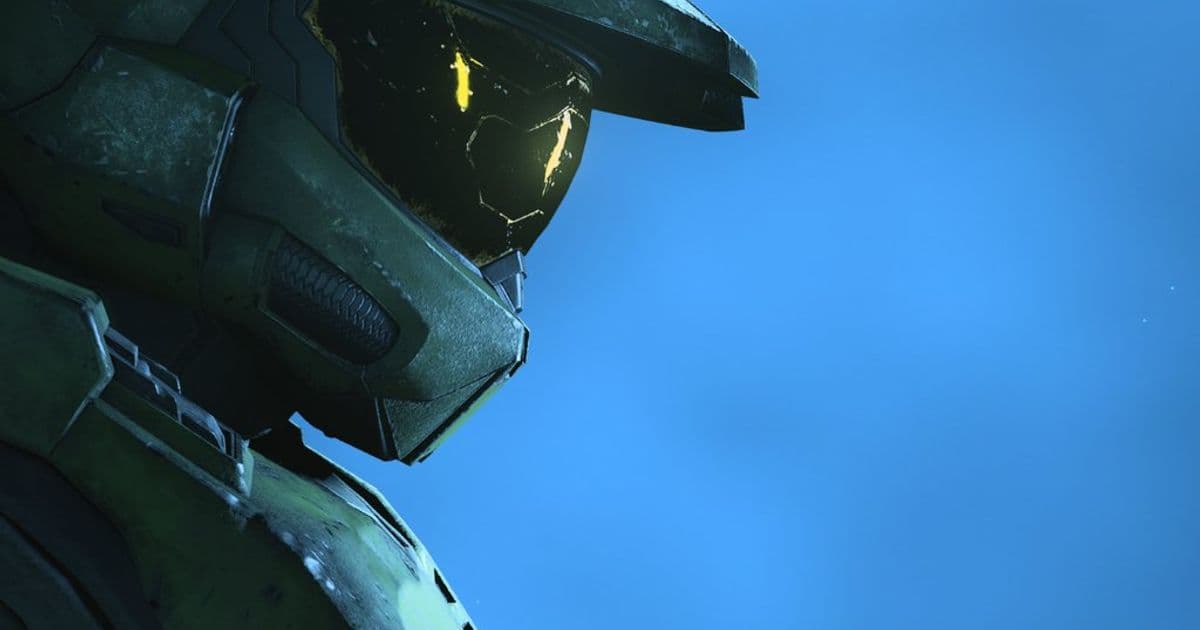
Steve Downes, the iconic voice of Halo's Master Chief, publicly denounced unauthorized AI reproductions of his voice during a YouTube AMA, calling the practice deceptive and harmful to voice actors' livelihoods.
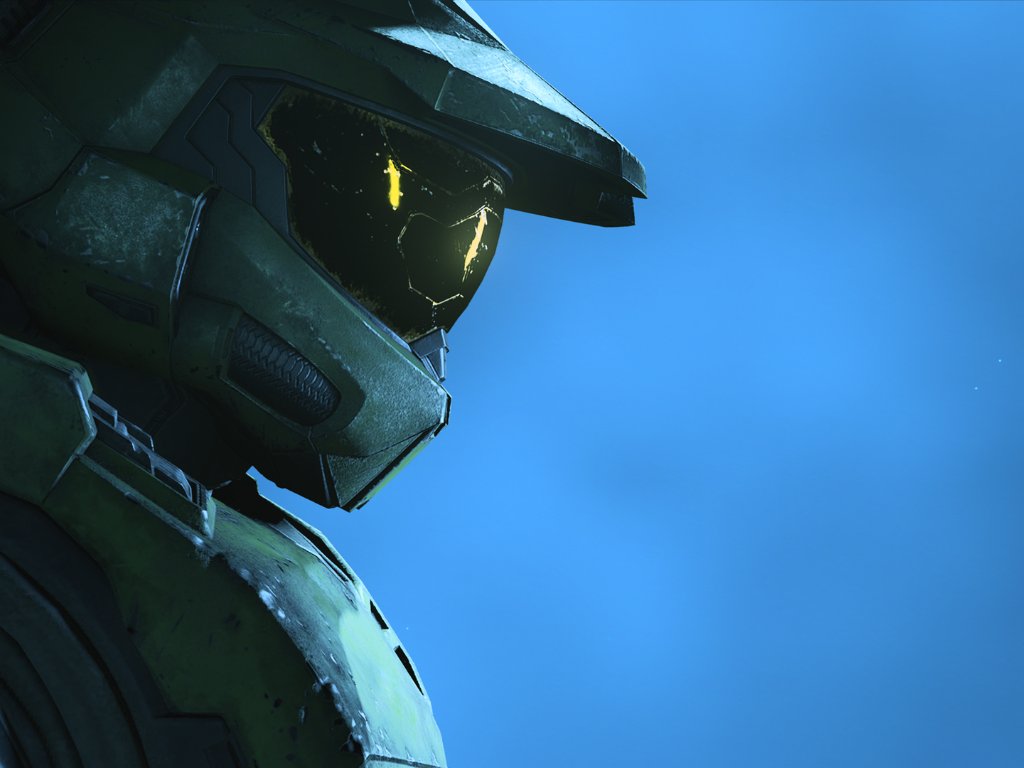
Steve Downes, the legendary voice behind Halo's Master Chief for over two decades, has taken a firm stance against the unauthorized use of AI to clone his vocal performance. During a recent YouTube AMA session, Downes expressed profound discomfort with AI-generated imitations that replicate his distinctive baritone without consent or compensation.
"I've been very vocal about my feelings on artificial intelligence," Downes stated. "While it has positive applications, reproductions of my voice that deceive people into thinking they're hearing my actual performance cross a line." The actor emphasized that while fan projects created "from the heart" are acceptable, AI voice cloning enters unethical territory by depriving voice actors of control over their vocal identity and professional opportunities.
Downes' concerns highlight a critical technological dilemma: Modern AI voice synthesis tools have crossed the "indistinguishable threshold," creating synthetic voices nearly identical to human performers. This capability poses significant challenges for creative industries. According to cybersecurity analysts, AI-generated voice fraud already accounts for approximately 1,000 scam calls daily worldwide, with projections indicating a dramatic increase in synthetic voiceovers by 2026.
The controversy extends beyond Halo. Voice actors across gaming and animation face similar challenges, as AI tools can replicate vocal performances using minimal source material. This raises urgent questions about intellectual property rights in the AI era. While companies like NVIDIA develop ethical frameworks for AI voice synthesis requiring creator consent, independent tools often bypass these safeguards.
Industry professionals note the technical sophistication behind modern voice cloning: Algorithms analyze vocal patterns, pitch, and speech rhythms from existing recordings, then generate new phrases matching the speaker's acoustic signature. Unlike traditional voice acting, this process requires no session time, direction, or contractual agreements with performers.
For gamers and content creators, Downes' position signals a need for greater awareness. When encountering Master Chief's voice in unofficial content, listeners should verify its origin—authentic performances stem from human artistry, while AI clones lack the intentionality behind genuine character portrayal. As synthetic media becomes more pervasive, ethical consumption increasingly relies on transparency about content creation methods.
This situation underscores a broader industry inflection point. Voice actors' unions now advocate for legislation requiring explicit consent for voice replication, while developers explore blockchain-based verification systems. For iconic performers like Downes, protecting vocal identity isn't just about revenue—it's about maintaining artistic integrity in an era where technology can effortlessly replicate human expression.
Comments
Please log in or register to join the discussion