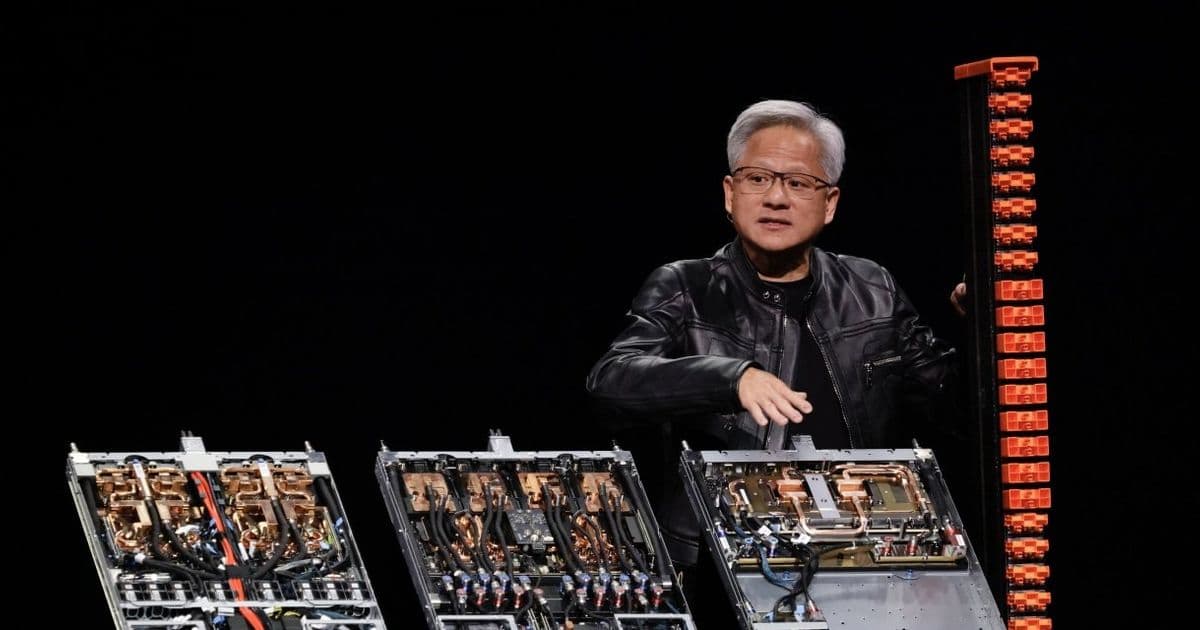
ByteDance is deploying 500 Nvidia Blackwell systems in Malaysia, featuring 36,000 B200 chips in a massive $2.5B+ AI infrastructure expansion that highlights the escalating global competition for computing power.
ByteDance is making a massive $2.5 billion bet on AI infrastructure with plans to deploy 500 Nvidia Blackwell systems in Malaysia, according to sources familiar with the matter. The deployment, which would feature approximately 36,000 B200 chips, represents one of the largest single AI computing installations currently in development and underscores the escalating global competition for computing power in the artificial intelligence race.
The scale of this deployment is staggering. At roughly 72 B200 chips per system, ByteDance is building what amounts to a supercomputer campus designed to power everything from TikTok's recommendation algorithms to next-generation AI applications. The choice of Malaysia as the location is particularly noteworthy, as it sits outside the current US export restrictions on advanced AI chips to China, allowing ByteDance to access cutting-edge technology while navigating geopolitical tensions.
This move by ByteDance comes amid a broader surge in AI infrastructure investment across Southeast Asia. The region has become increasingly attractive for data center development due to its strategic location, growing digital economy, and relatively favorable regulatory environment. Malaysia, in particular, has been positioning itself as a regional technology hub, offering incentives for data center operators and cloud service providers.
The deployment highlights several key trends in the AI industry. First, it demonstrates the enormous computational requirements of modern AI systems, particularly large language models and recommendation algorithms that process billions of user interactions daily. Second, it shows how companies are increasingly willing to make multibillion-dollar infrastructure investments to maintain competitive advantages in AI capabilities. Third, it illustrates the complex interplay between technology, geopolitics, and business strategy, as companies like ByteDance must navigate export controls and regional tensions while securing the computing power they need.
For Nvidia, this represents a significant win in the Blackwell product cycle. The B200 chips, which offer substantial performance improvements over previous generations, are in high demand across the industry. ByteDance's large order helps validate Nvidia's strategy of creating increasingly powerful and specialized AI chips, even as competitors like AMD and Intel work to challenge its dominance in the AI accelerator market.
The timing of this announcement is particularly interesting given the current state of US-China technology relations. While ByteDance is a Chinese company, this deployment in Malaysia allows it to access advanced US technology without running afoul of export restrictions. This kind of geographic arbitrage is becoming increasingly common as companies seek to build global AI infrastructure while managing regulatory and political risks.
Industry analysts note that this scale of deployment suggests ByteDance is planning for significant AI expansion beyond its current offerings. The company has been investing heavily in AI research and development, including work on large language models and other advanced AI systems. This infrastructure could support everything from enhanced content recommendation to new AI-powered features across its suite of apps.
The $2.5 billion price tag, while substantial, represents a fraction of what major tech companies are investing in AI infrastructure. Microsoft, Google, Amazon, and Meta are all spending tens of billions of dollars annually on data centers and AI computing capacity. However, for ByteDance, which operates in a more constrained regulatory environment than its US counterparts, this deployment represents a significant strategic investment.
Looking ahead, this Malaysia deployment could be just the beginning of ByteDance's global AI infrastructure expansion. As AI models continue to grow in size and complexity, the demand for computing power will only increase. Companies that can secure access to advanced chips and build efficient data center infrastructure will have significant advantages in developing and deploying next-generation AI applications.
The broader implications for the AI industry are substantial. As more companies follow ByteDance's lead in making massive infrastructure investments, we're likely to see continued pressure on the supply of advanced AI chips and data center capacity. This could lead to further innovation in chip design, cooling technologies, and data center efficiency as companies compete to maximize their AI computing capabilities.
For Malaysia and other countries in the region, these investments represent both opportunities and challenges. While they bring significant economic benefits and technological advancement, they also raise questions about energy consumption, data sovereignty, and the long-term sustainability of massive AI infrastructure deployments. As the AI arms race continues to accelerate, these considerations will become increasingly important for both companies and governments navigating this rapidly evolving landscape.
This deployment by ByteDance is a clear signal that the competition for AI supremacy is intensifying, with companies willing to make enormous financial commitments to secure the computing power needed to stay competitive. As the industry moves forward, the ability to build and operate massive AI infrastructure will likely become one of the key determinants of success in the artificial intelligence era.
Comments
Please log in or register to join the discussion