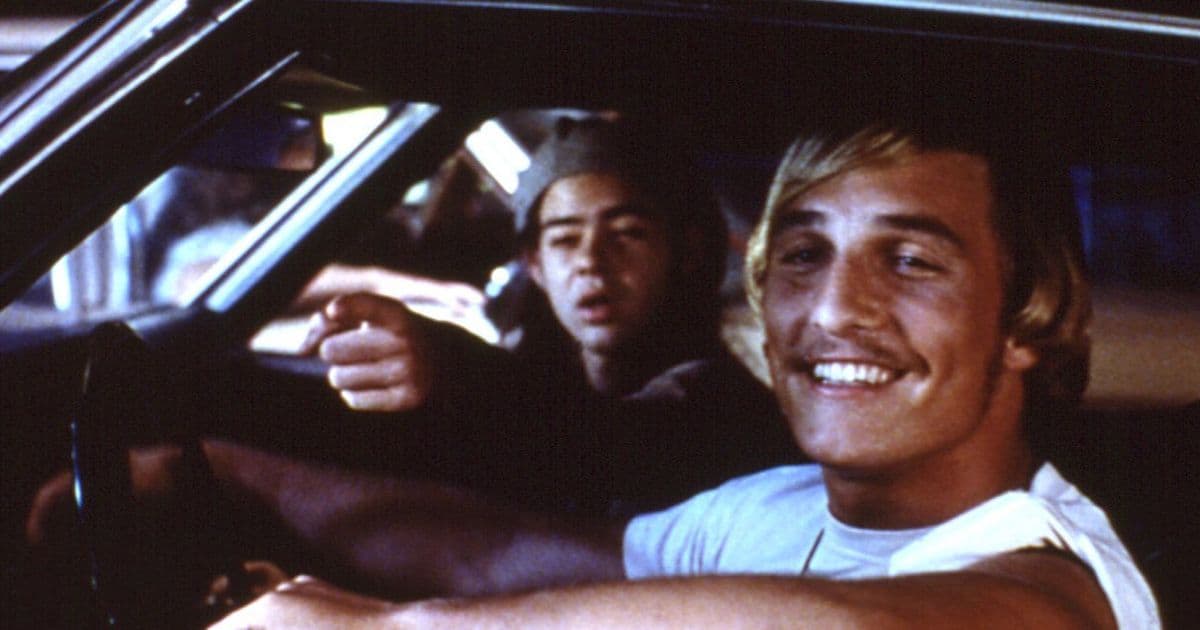
Hollywood actor Matthew McConaughey has proactively registered eight trademarks covering his likeness, voice, and signature catchphrases with the USPTO, establishing legal defenses against unauthorized AI-generated content.
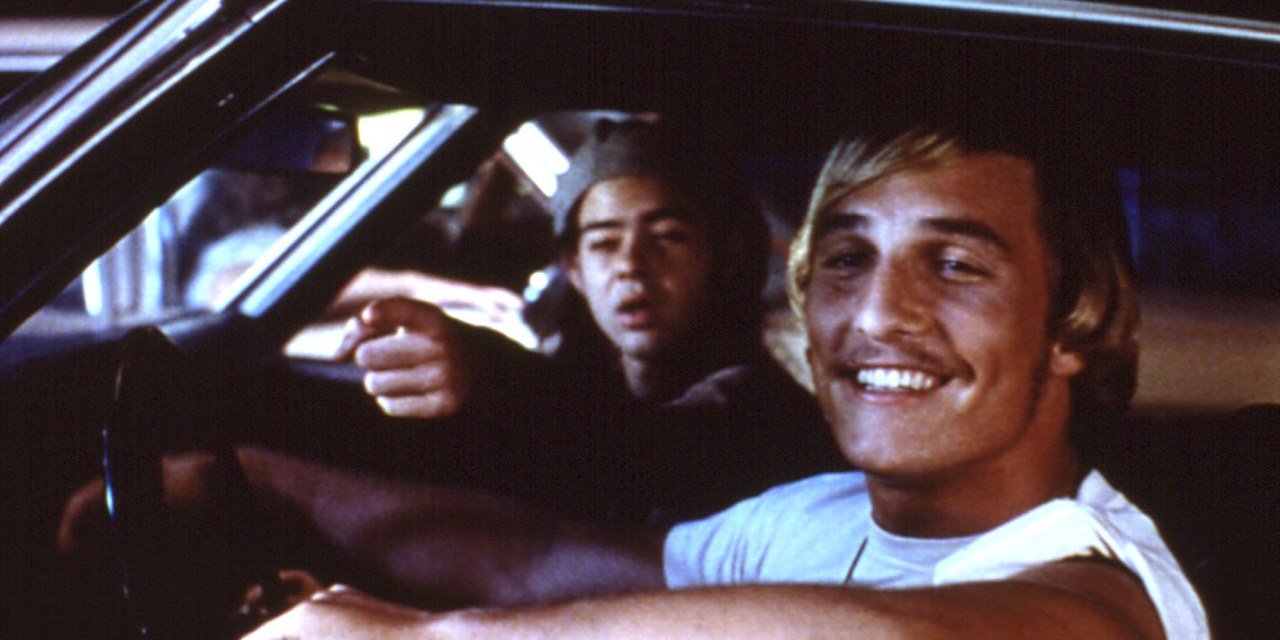
Matthew McConaughey has secured eight distinct trademarks with the U.S. Patent and Trademark Office (USPTO) over recent months, establishing formal protections for his likeness, voice, and signature mannerisms against unauthorized AI use. The registrations specifically cover his iconic "Alright, alright, alright" catchphrase and his recognizable camera-staring pose—elements frequently mimicked in AI-generated content. This legal maneuver enables the actor to pursue infringement claims against creators of deepfakes and unauthorized digital replicas.
The entertainment industry faces escalating financial threats from AI-generated content, with unauthorized celebrity deepfakes costing studios and individuals an estimated $500 million annually in misappropriated revenue and brand damage according to 2025 Entertainment Software Association data. McConaughey's registrations exploit a trademark law advantage: unlike copyright, trademarks protect distinctive phrases and mannerisms regardless of duration, creating enduring shields against AI impersonation.
Strategically, this establishes a precedent for high-profile talent to monetize and control their digital personas proactively. Industry analysts note trademark applications for celebrity personas surged 35% year-over-year (World Intellectual Property Organization, 2025) as generative AI tools proliferate. McConaughey's actions signal a shift toward offensive legal strategies—using intellectual property registration to deter exploitation rather than reacting post-violation.
Financially, trademark enforcement creates dual revenue streams: litigation damages from infringements and licensing opportunities for authorized AI applications. Major studios now face pressure to audit AI training datasets for unlicensed celebrity references, with liability risks increasing under frameworks like California's recently amended Digital Replica Law. As AI synthesis quality improves, proactive trademark registrations may become standard practice across sports, politics, and entertainment—transforming persona management into a calculated asset-protection strategy rather than reactive legal warfare.
Comments
Please log in or register to join the discussion