
Meta will discontinue its Workrooms VR collaboration platform on February 16 and cease all enterprise sales of Quest headsets and Horizon services by February 20, signaling a significant retreat from business-focused virtual reality initiatives.
Meta is shutting down its enterprise-focused VR platform Workrooms on February 16 and will immediately halt business sales of Quest headsets and Horizon services starting February 20. This decision marks a strategic withdrawal from the corporate virtual reality market where Meta had invested heavily since Workrooms' 2021 launch. The platform allowed remote teams to collaborate in customizable virtual spaces using Quest headsets, positioning it as a cornerstone of Meta's enterprise metaverse strategy.
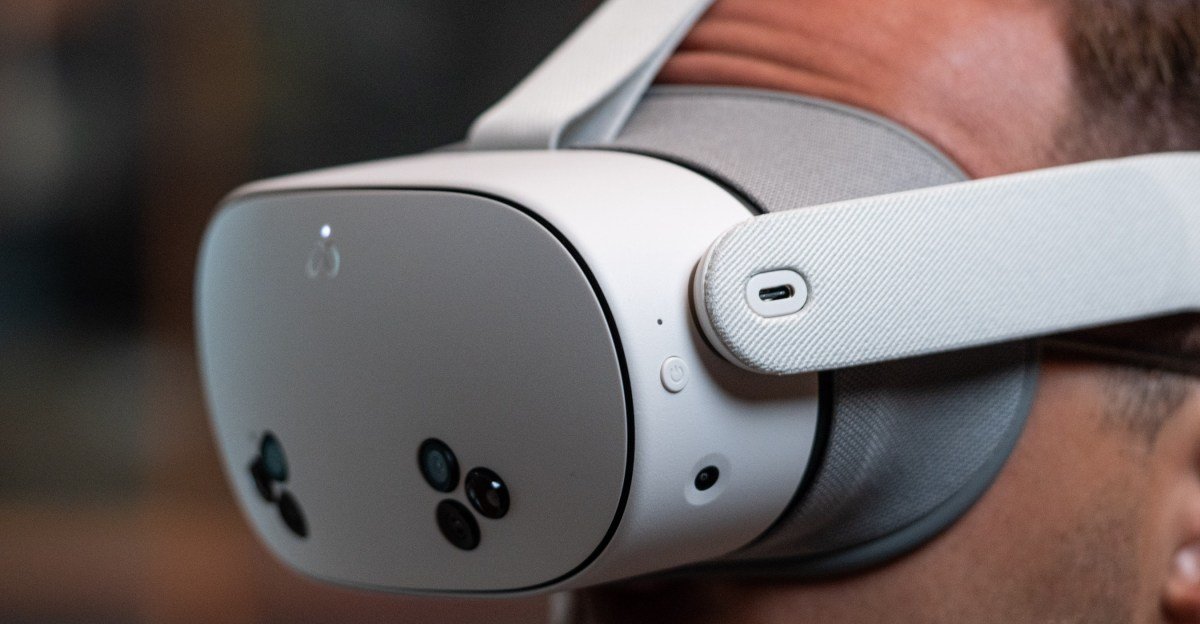
The shutdown coincides with Meta's broader restructuring of its Reality Labs division, which reported a $4.6 billion operating loss on $1.1 billion revenue in Q4 2025. Since 2020, Reality Labs has accumulated over $42 billion in losses while struggling to gain enterprise traction. Market data reveals corporate VR adoption remains limited, with enterprise headset shipments accounting for less than 15% of the 8.7 million units shipped globally in 2025 according to IDC. Competitors like Microsoft's HoloLens and Apple's Vision Pro have captured significant market share in productivity applications, with Microsoft securing multiple U.S. Department of Defense contracts totaling $22 billion through 2028.
Meta's enterprise retreat follows resource reallocations toward generative AI and consumer-focused metaverse development. The company recently reduced investment in its Supernatural VR fitness service and discontinued future content updates, redirecting engineering talent toward AI research and development. This pivot aligns with Meta's increased R&D spending on large language models and AI infrastructure, which grew 32% year-over-year to $9.1 billion in 2025.
The strategic implications are multifaceted:
- Enterprise Vacuum: Businesses using Workrooms must migrate to alternatives like Microsoft Mesh or Zoom's VR capabilities by mid-February. Meta will provide data export tools but no transition support.
- Revenue Impact: Enterprise sales represented approximately 18% of Quest's $1.8 billion hardware revenue in 2025. This segment's elimination may improve Reality Labs' margins but reduces its revenue base.
- Market Signaling: Meta's exit underscores challenges in monetizing enterprise VR, potentially cooling investor interest in B2B metaverse ventures. Competing platforms may accelerate feature development to capture displaced users.
- Resource Reallocation: Freed engineering resources will likely accelerate Meta's consumer-focused AI agent development and Horizon Worlds social platform enhancements.
Meta maintains its commitment to consumer VR, with Quest 3 sales exceeding 4 million units since its October 2025 launch. However, this enterprise retreat represents a significant contraction of Zuckerberg's metaverse vision, refocusing efforts on areas with clearer monetization pathways as competitive and financial pressures intensify.
Comments
Please log in or register to join the discussion