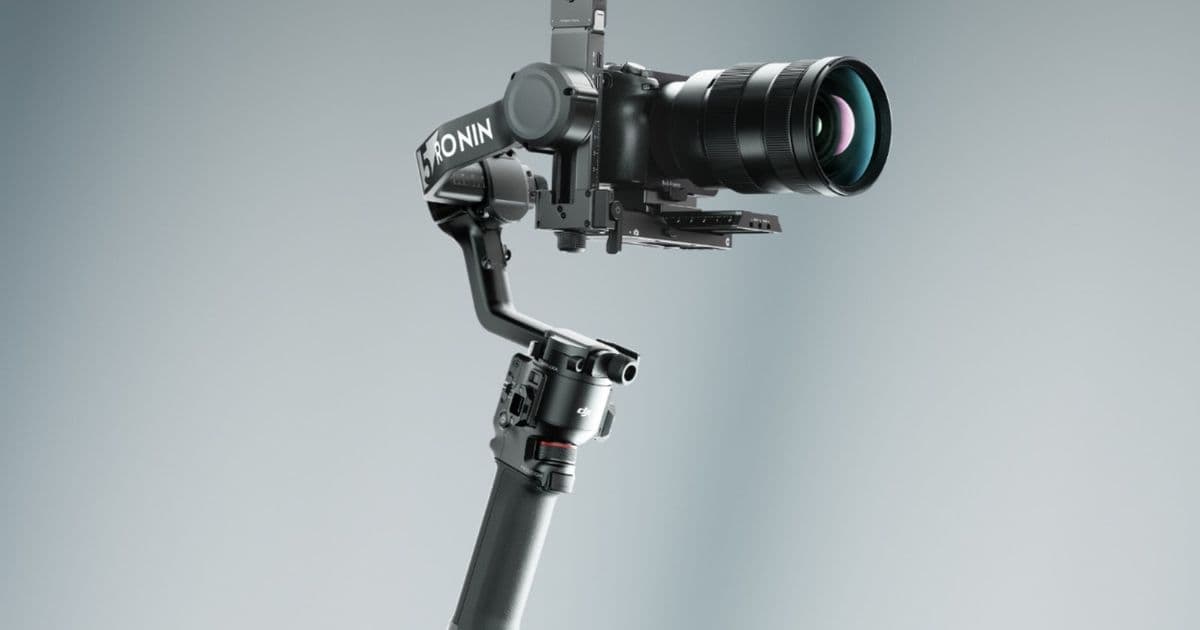
DJI unexpectedly released its RS 5 camera stabilizer featuring a 30-hour battery and 1-hour charging, positioning it between the RS 4 and RS 4 Pro with a 3kg payload capacity at $445.
DJI has accelerated its product cycle with the surprise launch of the RS 5 camera stabilizer in China. Originally teased through cryptic social media posts suggesting a product that would 'firmly occupy the main seat,' the RS 5 arrives earlier than anticipated as DJI's first fifth-generation gimbal system. This release notably skips the Pro variant typically accompanying new generations, creating a consolidated offering targeting mid-tier professional users.
What's New
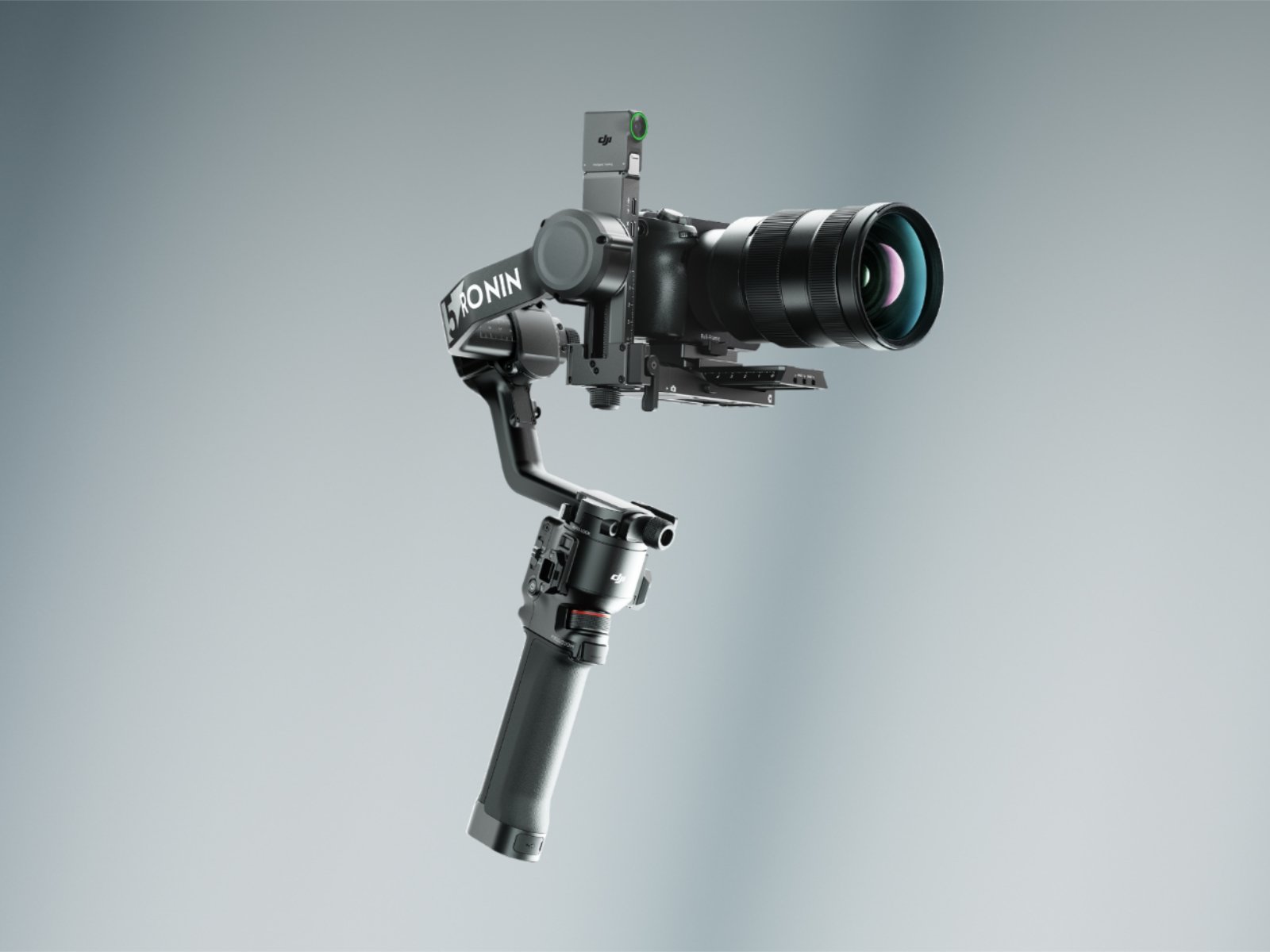
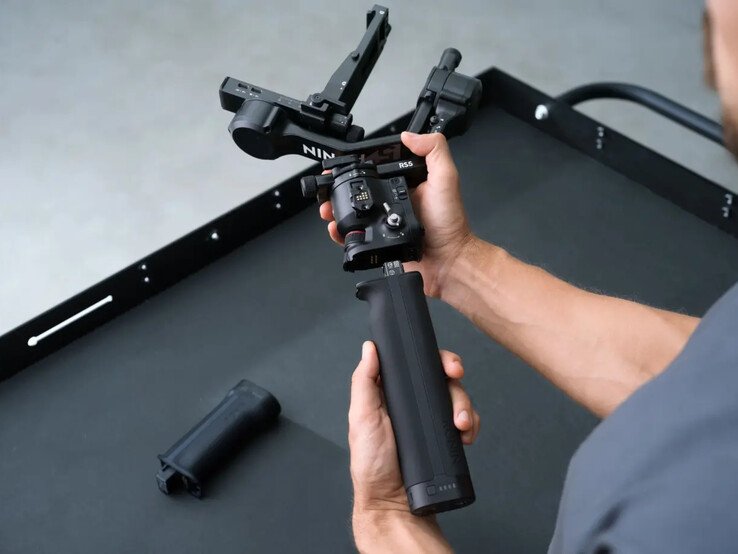
The RS 5 introduces significant power management improvements headlined by a 30-hour operational battery life – a substantial jump from previous models. Charging efficiency sees dramatic gains too, reaching full capacity in 60 minutes versus the RS 4 Pro's 90 minutes and RS 4's 150 minutes. DJI's proprietary fifth-generation stabilization algorithm promises enhanced motion compensation, though real-world testing remains pending.
Comparative Analysis
Positioned strategically between its predecessors, the RS 5 presents a mixed spec profile:
| Feature | RS 5 | RS 4 | RS 4 Pro |
|---|---|---|---|
| Battery Life | 30 hours | ~20 hours* | ~20 hours* |
| Charge Time | 60 minutes | 150 minutes | 90 minutes |
| Max Payload | 3kg | 3kg | 4.5kg |
| Price (CNY) | 3,099 (~$445) | 2,549 (~$365) | 5,499 (~$789) |
*Estimated based on previous generation performance
The payload capacity remains identical to the RS 4 at 3kg, significantly below the RS 4 Pro's 4.5kg capability. This places the RS 5 as unsuitable for heavyweight cinema cameras but ideal for mirrorless systems like Sony's α7 series or Canon EOS R5.
Target Audience
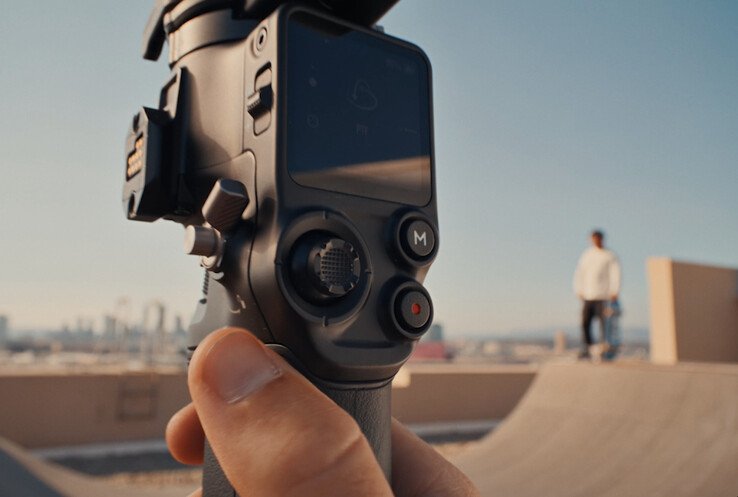
At $445 (CNY 3,099), the RS 5 targets professional videographers prioritizing operational endurance over extreme payload capacity. Documentary shooters, event videographers, and indie filmmakers needing all-day stabilization without power interruptions will benefit most. The reduced charging time proves valuable for run-and-gun scenarios where downtime is limited.
Market Position
DJI's streamlined approach consolidates the RS 4 and RS 4 Pro into a single fifth-generation unit with selective upgrades. The removal of the Pro model suggests DJI may address the high-end segment separately later. International pricing and availability remain unconfirmed, though historical patterns indicate global release within 4-6 weeks.
For technical specifications, visit DJI's official RS 5 product page.
Image source: DJI
Comments
Please log in or register to join the discussion