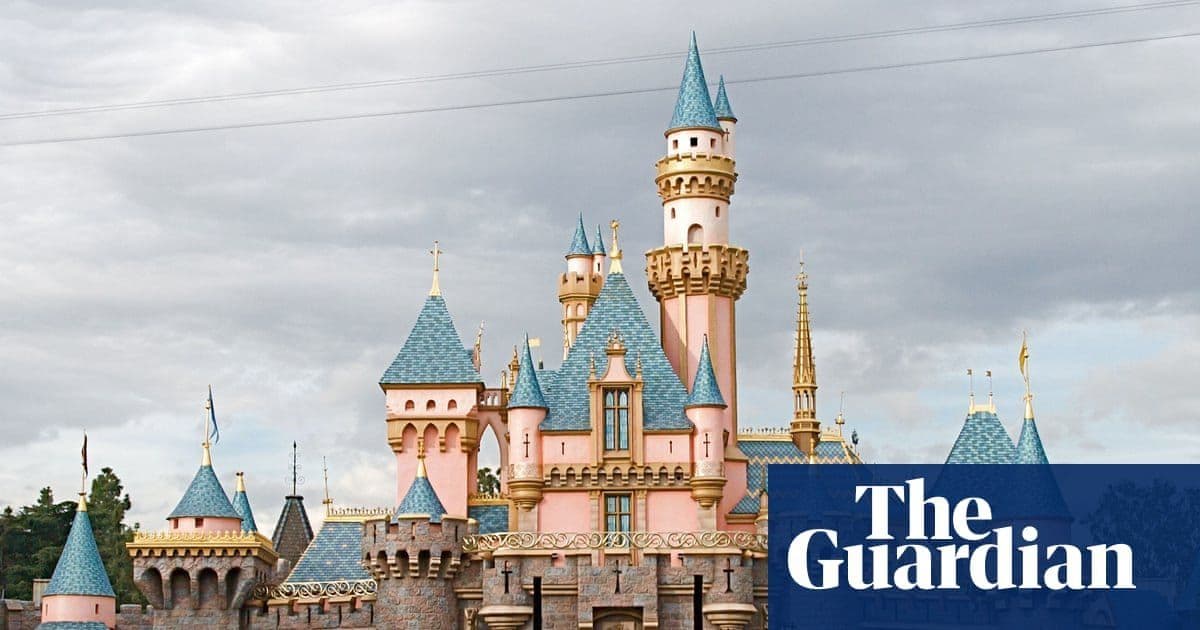
The Walt Disney Company has implemented facial recognition technology at its California theme park to enhance security and streamline visitor experiences, raising questions about privacy in the age of AI-powered theme parks.
The Walt Disney Company has quietly rolled out facial recognition technology at its Disneyland resort in Anaheim, California, marking a significant shift toward AI-powered park operations. The implementation, designed to prevent ticket fraud and simplify the re-entry process for visitors, represents one of the largest deployments of biometric technology in the entertainment industry.
According to Disney officials, the facial recognition system will primarily be used to verify guest identities when they leave and re-enter the park, particularly for visitors with multi-day tickets. The technology creates a unique biometric profile linked to each ticket, allowing for quicker access without the need to show physical tickets repeatedly.
"This technology enhances our ability to provide a seamless guest experience while maintaining the highest standards of security," a Disney spokesperson stated in a brief announcement. "It's part of our ongoing investment in creating more efficient and personalized experiences for our visitors."
The implementation comes amid growing adoption of biometric technologies across various sectors, from airport security to retail. However, Disney's deployment stands out due to the scale of operation—potentially scanning millions of faces annually—and the sensitive nature of family entertainment environments.
Privacy advocates have expressed concerns about the collection and storage of biometric data, especially when children are involved. "Facial recognition in settings where families gather raises unique privacy questions," said Jennifer Lynch, surveillance technology project director at the Electronic Frontier Foundation. "We need to understand how this data is stored, who has access to it, and what protections are in place."
Disney has not detailed the specific technology vendor or the duration of data retention for the facial recognition system. The company has stated that the biometric data is encrypted and stored securely, but has not provided specifics about whether the information is shared with third parties or how long it remains in Disney's systems.
The move follows similar implementations at other Disney parks internationally, including Shanghai Disneyland and Tokyo Disney Resort, where facial recognition has been used for several years. The California implementation appears to be the most comprehensive deployment in the United States to date.
Industry analysts suggest that Disney's adoption of facial recognition could influence other theme park operators to follow suit. "When a company with Disney's reputation and resources implements a technology, it often sets a standard for the entire industry," said Mark Johnson, a theme park technology consultant. "Other parks will be watching closely to see how guests respond and whether the technology delivers on its promises of efficiency."
The technology works by creating a mathematical representation of a person's facial features, which is then linked to their ticket information. When a guest approaches an entrance, cameras capture their face and compare it to the stored biometric template. If the match exceeds a certain confidence threshold, the gate automatically opens, eliminating the need for ticket scanning or manual verification.
Disney has emphasized that the system is optional, with guests still able to use traditional tickets if they prefer not to participate in the facial recognition program. However, some observers note that the convenience factor may pressure many visitors to opt in, effectively creating a de facto standard.
The implementation raises questions about the future of theme park experiences. Industry insiders speculate that facial recognition could eventually be used for a range of applications, from personalized interactions with characters to dynamic pricing based on attendance patterns. Disney has not confirmed these potential future uses but has acknowledged exploring "various applications" of the technology.
For now, the primary focus appears to be operational efficiency. Theme parks face constant pressure to reduce wait times and improve guest satisfaction while managing security concerns. Facial recognition offers a potential solution to these challenges, though it comes with privacy trade-offs that visitors and regulators will need to navigate.
As technology continues to reshape the entertainment landscape, Disney's facial recognition deployment may mark a significant milestone in the evolution of theme parks as data-driven experiences. The question remains whether guests will embrace the convenience while accepting the increased data collection, or if privacy concerns will ultimately limit the technology's adoption.
Comments
Please log in or register to join the discussion