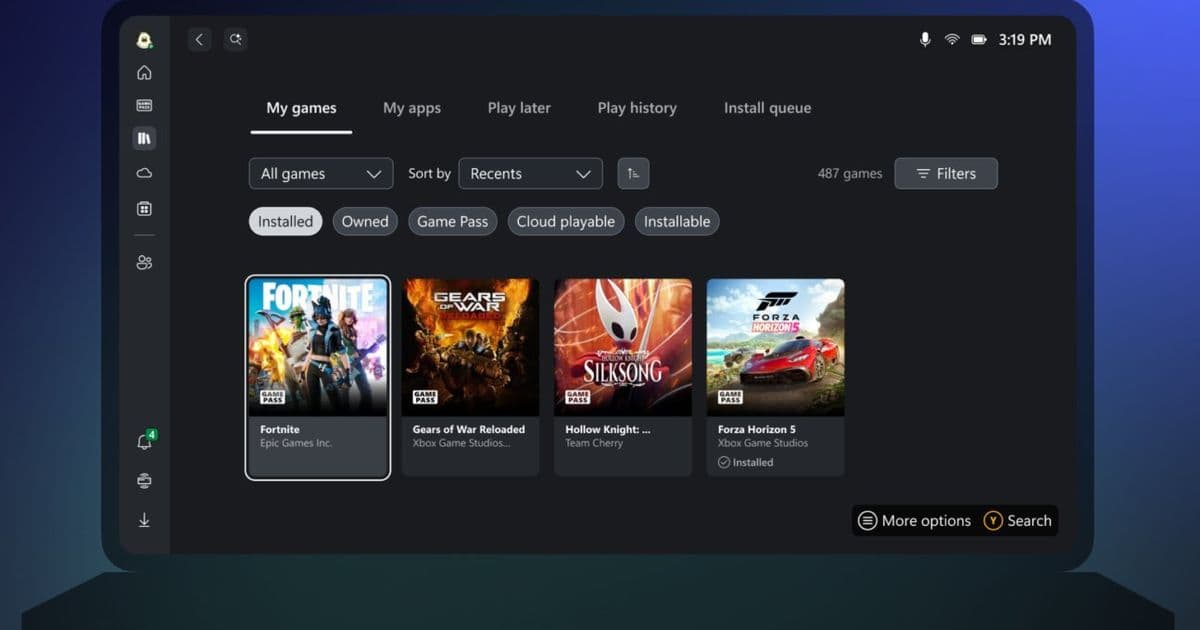
Microsoft's Xbox app is now available for all Windows 11 PCs with Arm processors, marking a significant expansion for the platform's gaming ecosystem. While this opens doors for devices like the upcoming Snapdragon X Elite laptops, the move highlights both the progress and persistent challenges in making Arm-based Windows a viable gaming platform.
For years, the Windows gaming ecosystem has been a fortress built on x86 architecture. Intel and AMD processors, paired with discrete NVIDIA or AMD GPUs, have been the default path for PC gaming. But that foundation is showing cracks. Integrated graphics have improved enough to handle many games, as seen in the current wave of handheld gaming PCs. More importantly, Arm-based processors are finally making credible inroads into Windows PCs, and Microsoft is taking a concrete step to support them.
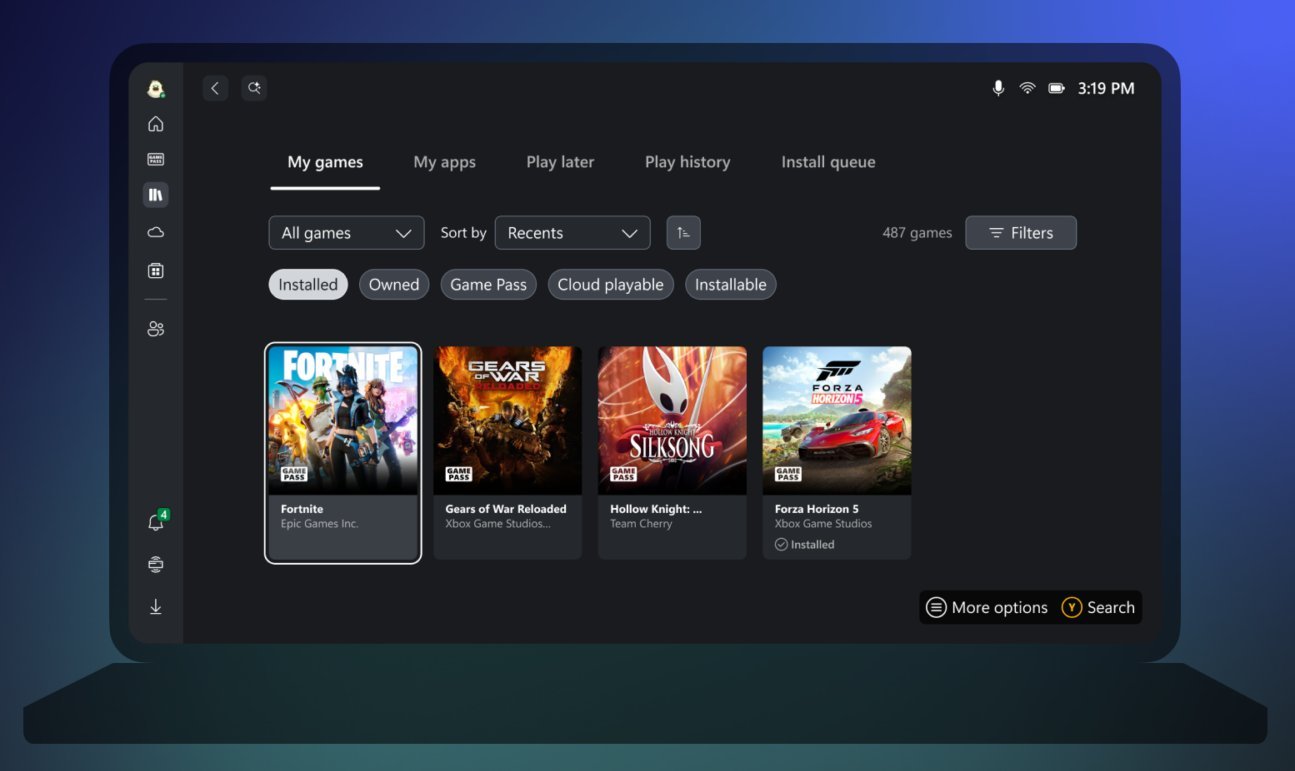
Starting today, Microsoft has made the Xbox app available for all Windows 11 PCs running on Arm processors. This isn't just a token gesture. According to the company, more than 85% of the Game Pass catalog is now compatible with these systems. For the remaining 15%, users can fall back on Xbox Cloud Gaming to stream titles that won't run locally.
The Technical Foundation: Emulation and Compatibility
The real story here isn't just the app's availability, but the underlying technology that makes it possible. Microsoft's Prism emulator software, which allows x86_64 applications to run on Arm, has received critical updates. The company has added support for AVX and AVX2 instruction set extensions, which are essential for many modern games and applications. This is a significant technical achievement, as these extensions have historically been a major compatibility hurdle for Arm-based Windows systems.
Additionally, Epic Anti-Cheat software is now supported on Arm. This might seem like a minor detail, but it's crucial for gaming. Without anti-cheat support, popular titles like Fortnite and Gears of War: Reloaded simply wouldn't run. This move signals that Microsoft is taking the security and integrity of Arm-based gaming seriously, which is essential for multiplayer experiences.
The Hardware Reality: Performance vs. Potential
Here's where pragmatism needs to temper enthusiasm. Microsoft's announcement focuses on compatibility, not performance. The company doesn't specify how well games run on Arm-based Windows PCs. This omission is telling.
Qualcomm's Snapdragon chips for Windows have made impressive strides, particularly with the upcoming Snapdragon X Elite series. These chips feature integrated graphics that can handle many games at respectable frame rates. However, the performance spectrum is wide. Budget Snapdragon chips often have integrated GPUs that struggle with demanding titles, even when they can technically run them.
For developers and users, this creates a complex landscape. A game that runs on a high-end Snapdragon X Elite laptop might be unplayable on a device with a lower-tier chip. This variability makes it difficult to set consistent expectations for Arm-based gaming.
Cross-Platform Considerations for Developers
For mobile developers who maintain apps across iOS, Android, and now potentially Windows on Arm, this development adds another layer to consider. The Xbox app's availability on Arm Windows creates a more unified gaming ecosystem, but it also means developers need to think about:
- Architecture-specific optimizations: Games that rely heavily on x86-specific instructions may need adjustments for Arm, even with emulation.
- Performance targeting: Developers might need to create different performance profiles for x86 and Arm versions of their games.
- Testing requirements: With two major architectures now in play, testing matrices become more complex.
The Prism emulator helps, but it's not a magic bullet. Emulation always introduces overhead, and some games will inevitably perform better natively. For developers, this means considering Arm as a first-class target rather than an afterthought.
The Broader Ecosystem Shift
This move by Microsoft doesn't exist in isolation. It's part of a larger trend toward Arm-based computing in the Windows ecosystem. The upcoming Snapdragon X Elite laptops, which promise significant performance improvements, will likely be the first major test case for Arm-based Windows gaming.
Valve's upcoming Steam Frame VR headset, expected to be the first SteamOS hardware running on Arm, could further validate the architecture for gaming. If successful, it might encourage more developers to optimize for Arm, creating a virtuous cycle of better support and more compelling hardware.
Practical Implications for Users
For users considering an Arm-based Windows PC for gaming, the Xbox app's availability is good news, but with caveats:
- Game Pass subscribers now have a broader selection of devices they can use for local gaming.
- Cloud gaming remains a reliable fallback for titles that won't run locally.
- Hardware selection matters more than ever. A high-end Arm chip will provide a much better experience than a budget one.
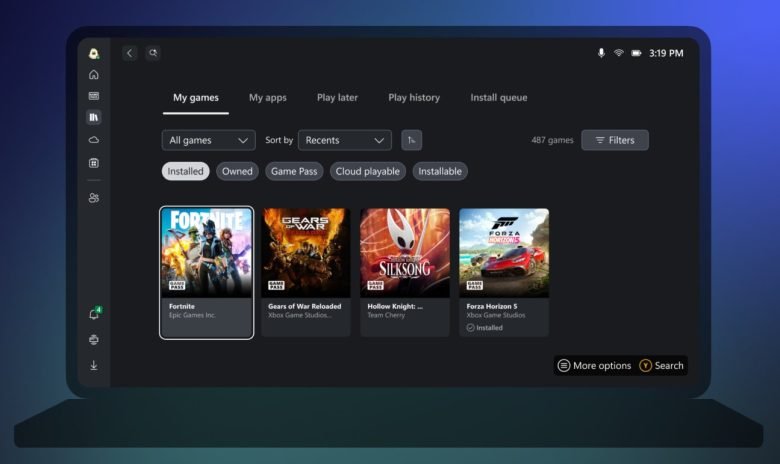
The Xbox app itself likely won't see dramatic changes on Arm versus x86. The core functionality—game library management, social features, and Game Pass integration—should work identically. The difference lies in what games can actually run and how well they perform.
Looking Ahead: The Path to Mainstream Arm Gaming
Microsoft's announcement is a necessary step, but it's not the finish line. For Arm-based Windows to become a true gaming platform, several things need to happen:
- Hardware consistency: More devices need to ship with capable Arm chips that can handle modern games.
- Developer adoption: Game developers need to prioritize Arm optimization, not just rely on emulation.
- Performance parity: The gap between x86 and Arm gaming performance needs to narrow significantly.
The Xbox app's availability removes one barrier, but the performance question remains the elephant in the room. Until users can reliably expect good frame rates and visual quality across a range of Arm hardware, x86 will remain the default choice for serious PC gaming.
For now, this development is most valuable for users who prioritize portability and battery life over raw performance. Devices like the upcoming Snapdragon X Elite laptops could offer a compelling compromise: good enough gaming performance with the benefits of Arm's efficiency.
The gaming ecosystem is slowly adapting to a multi-architecture world. Microsoft's move to bring the Xbox app to Arm Windows is a pragmatic acknowledgment of that reality. It's not revolutionary, but it's a necessary foundation for whatever comes next in the evolution of Windows gaming hardware.
Comments
Please log in or register to join the discussion