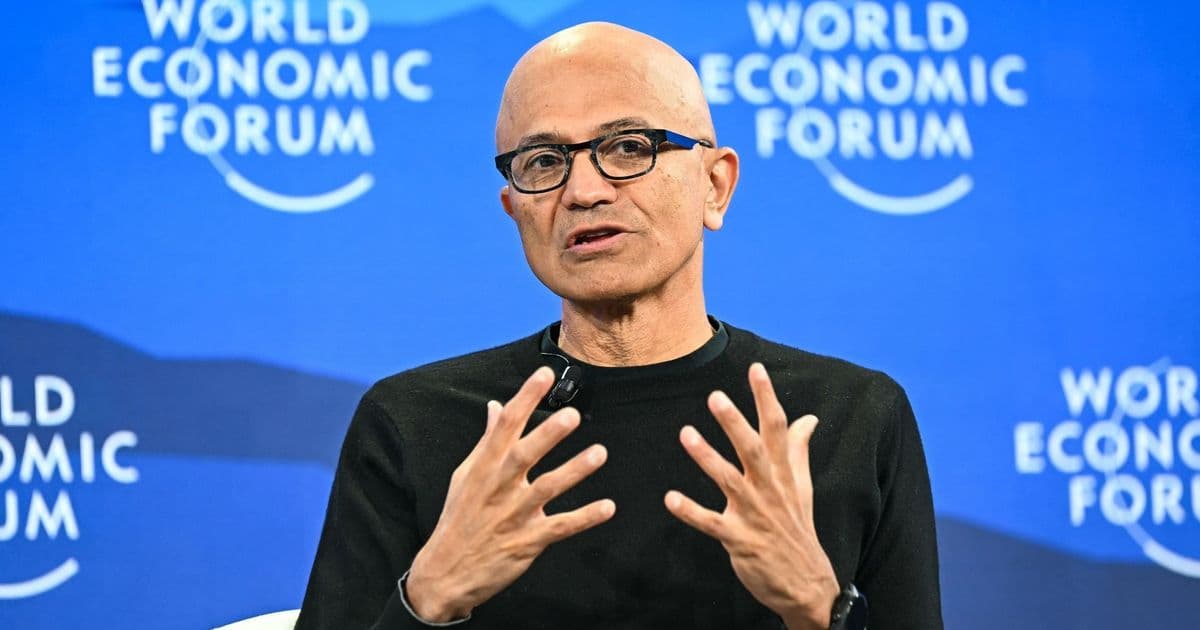
At the 2026 World Economic Forum, Microsoft CEO Satya Nadella stated that artificial intelligence must demonstrate tangible benefits across society to justify its massive resource consumption, warning that without broader impact, the technology risks losing public acceptance. His comments highlight growing concerns about AI's energy demands, memory chip shortages, and the potential for an economic bubble if benefits remain concentrated among tech firms.
Microsoft CEO Satya Nadella delivered a stark warning at the 2026 World Economic Forum annual meeting, stating that artificial intelligence must demonstrate a wider societal impact or risk losing its "social permission" to consume scarce resources like energy and memory chips. In a conversation with BlackRock CEO Larry Fink, Nadella argued that AI's abstract technological promise must translate into concrete improvements in health outcomes, education, public sector efficiency, and private sector competitiveness to justify its resource footprint.
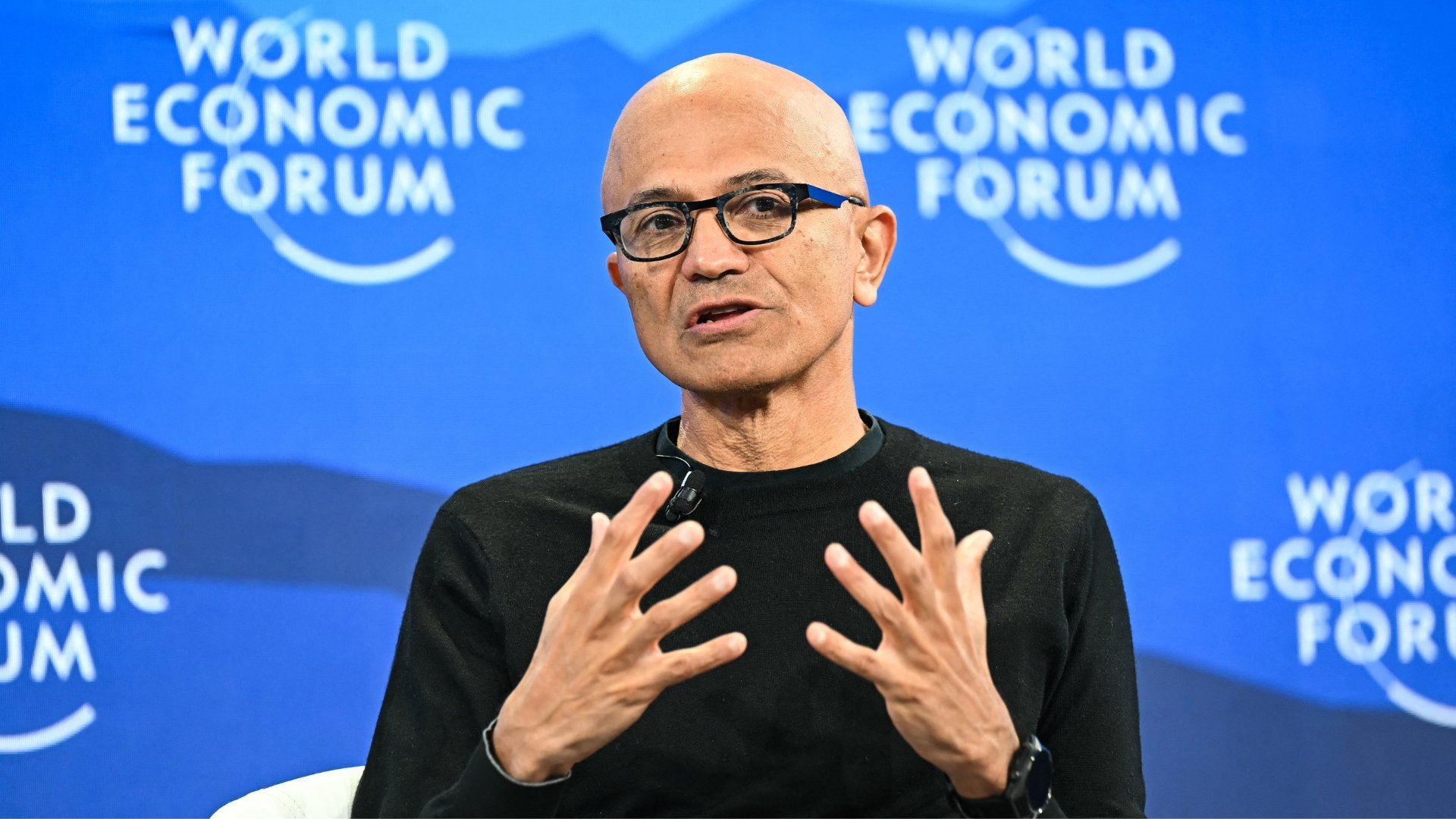
"The zeitgeist is a little bit about the admiration for AI in its abstract form or as technology. But I think we, as a global community, have to get to a point where we are using it to do something that changes the outcomes of people and communities and countries and industries," Nadella told Fink. "Otherwise, I don't think this makes much sense, right? In fact, I would say we will quickly lose even the social permission to actually take something like energy, which is a scarce resource, and use it to generate these tokens, if these tokens are not improving health outcomes, education outcomes, public sector efficiency, private sector competitiveness across all sectors, small and large."
The comments come amid escalating concerns about AI's resource consumption. The industry is currently experiencing a severe memory chip shortage driven by massive demand for High Bandwidth Memory (HBM) used in AI GPUs. Industry estimates suggest data centers will consume 70% of all memory chips produced this year, with the shortage extending beyond RAM modules and SSDs to affect other components, including GPUs and smartphones.
Energy consumption represents an equally pressing challenge. AI data center expansion has caused electricity prices to spike by 36% in some U.S. states, while wholesale prices have soared by up to 267% over the past five years. The high-performance processors required for AI workloads also demand substantial water for cooling, with some reports indicating AI data centers use more water annually than the global consumption of bottled water.
These resource pressures have attracted political attention. Democratic Senators have demanded explanations from major tech companies about their energy usage, while President Donald Trump has told AI technology companies to "pay their own way" for electricity consumption.
Microsoft is attempting to address these concerns through its "Community-First AI Infrastructure" framework, which aims to make AI data centers more acceptable to local communities. OpenAI has reportedly adopted similar approaches, though it remains uncertain whether other hyperscalers will follow suit.
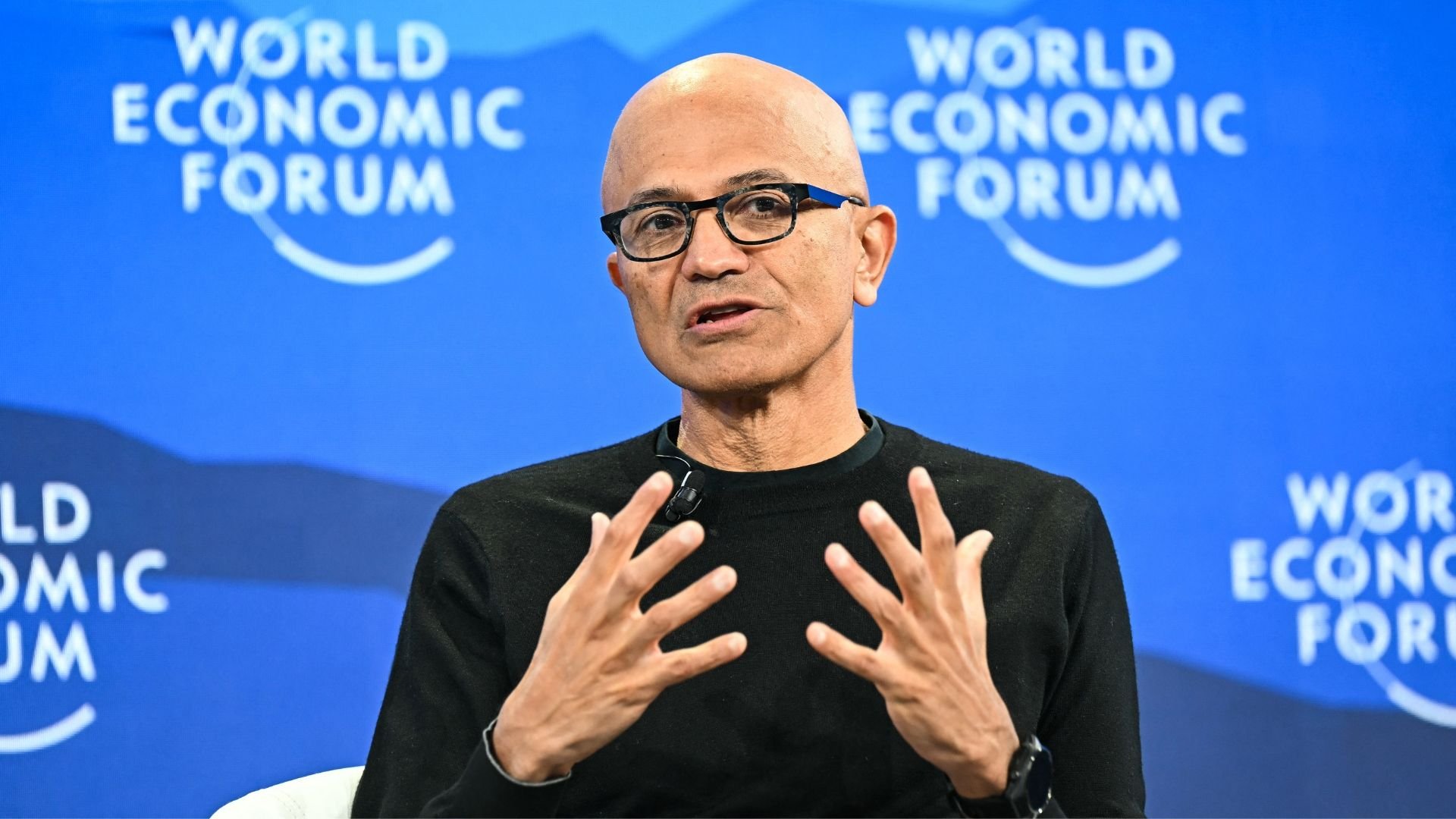
Beyond resource concerns, Nadella and Fink discussed the possibility of an AI bubble. Many industry observers have warned about a potential bubble as tech companies continue pouring billions into AI development while seeing limited immediate returns. Nadella argued that avoiding a bubble requires more equitable distribution of AI's benefits.
"For this not to be a bubble, by definition, it requires that the benefits of this [technology] are much more evenly spread. I mean, I think, a tell-tale sign of if it's a bubble would be if all we're talking about are the tech firms," Nadella explained. "If all we talk about is what's happening to the technology side, then it's just purely supply side."
He cited a pharmaceutical industry example where AI accelerated clinical trials without necessarily discovering "magical molecules." Instead, AI was used for "all the other things needed to make something much more relevant," demonstrating how the technology can create value beyond headline-grabbing breakthroughs.
Nadella expressed confidence that AI would follow the trajectory of cloud computing and mobile technology, diffusing rapidly across industries and economies. He believes this diffusion will "bend the productivity curve" and generate "local surplus and economic growth all around the world" rather than growth driven solely by capital expenditures.
The Microsoft chief's comments reflect a growing recognition within the technology industry that AI's long-term viability depends not just on technical advancement but on demonstrable, widespread benefits that justify its substantial resource requirements and economic investment.
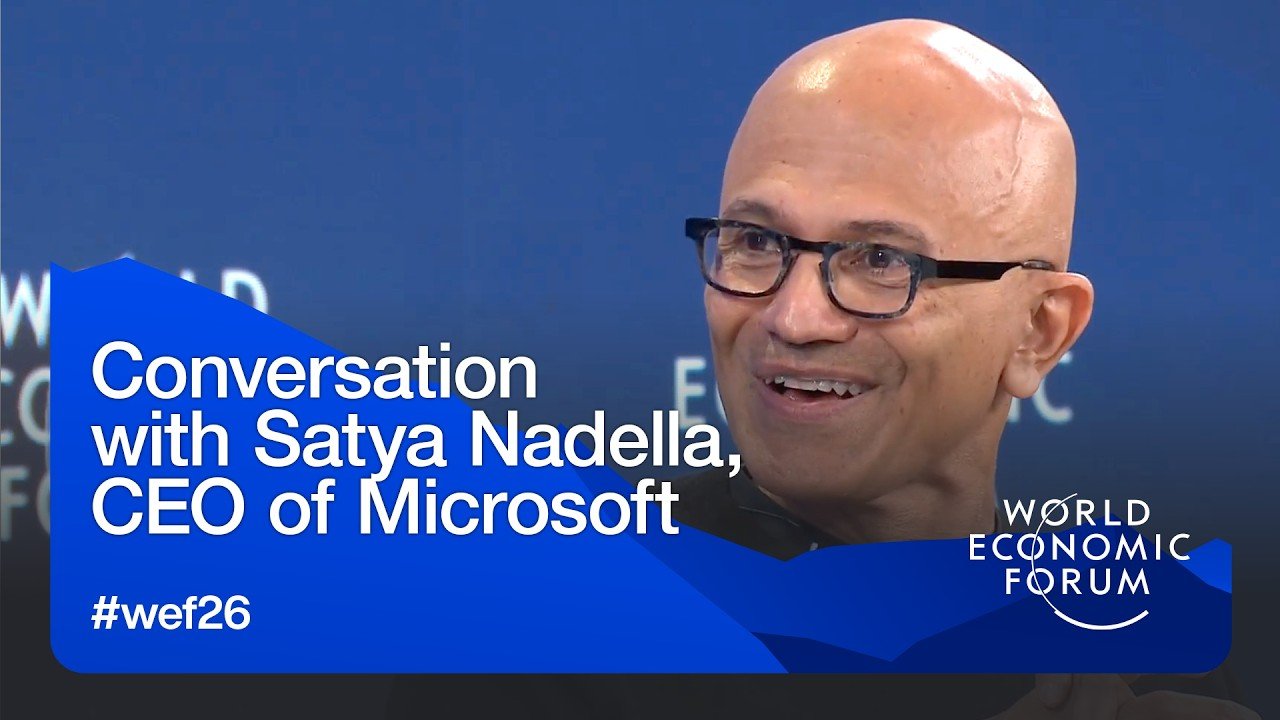
The conversation with Nadella is available on YouTube as "Conversation with Satya Nadella, CEO of Microsoft | World Economic Forum Annual Meeting 2026." The full discussion provides additional context on AI diffusion strategies and the technology's role in global economic development.
As the AI industry continues its rapid expansion, Nadella's warning serves as a reminder that technological innovation must be coupled with tangible societal benefits to maintain public support and avoid the resource constraints that could limit its growth potential.
Comments
Please log in or register to join the discussion