
Former Windows Division president Steven Sinofsky reveals how Microsoft engineers in the 1980s were given stopwatches to time every aspect of software performance, creating an era of extreme efficiency that contrasts sharply with today's resource-hungry applications.
In the 1980s, Microsoft took an unusually literal approach to software optimization: every engineer received a stopwatch. This wasn't just a metaphor for speed—it was a physical tool that developers used to time everything from scrolling to boot times, compilation to printing.
Steven Sinofsky, former president of Microsoft's Windows Division, recently shared this detail on social media while responding to discussions about modern software's excessive resource consumption. "From 1980-2000 half of software engineering was managing resource (clock time, disk, and RAM) usage," Sinofsky explained. "For the first ten years every Microsoft eng got a stop watch. Extras were in the supply room."
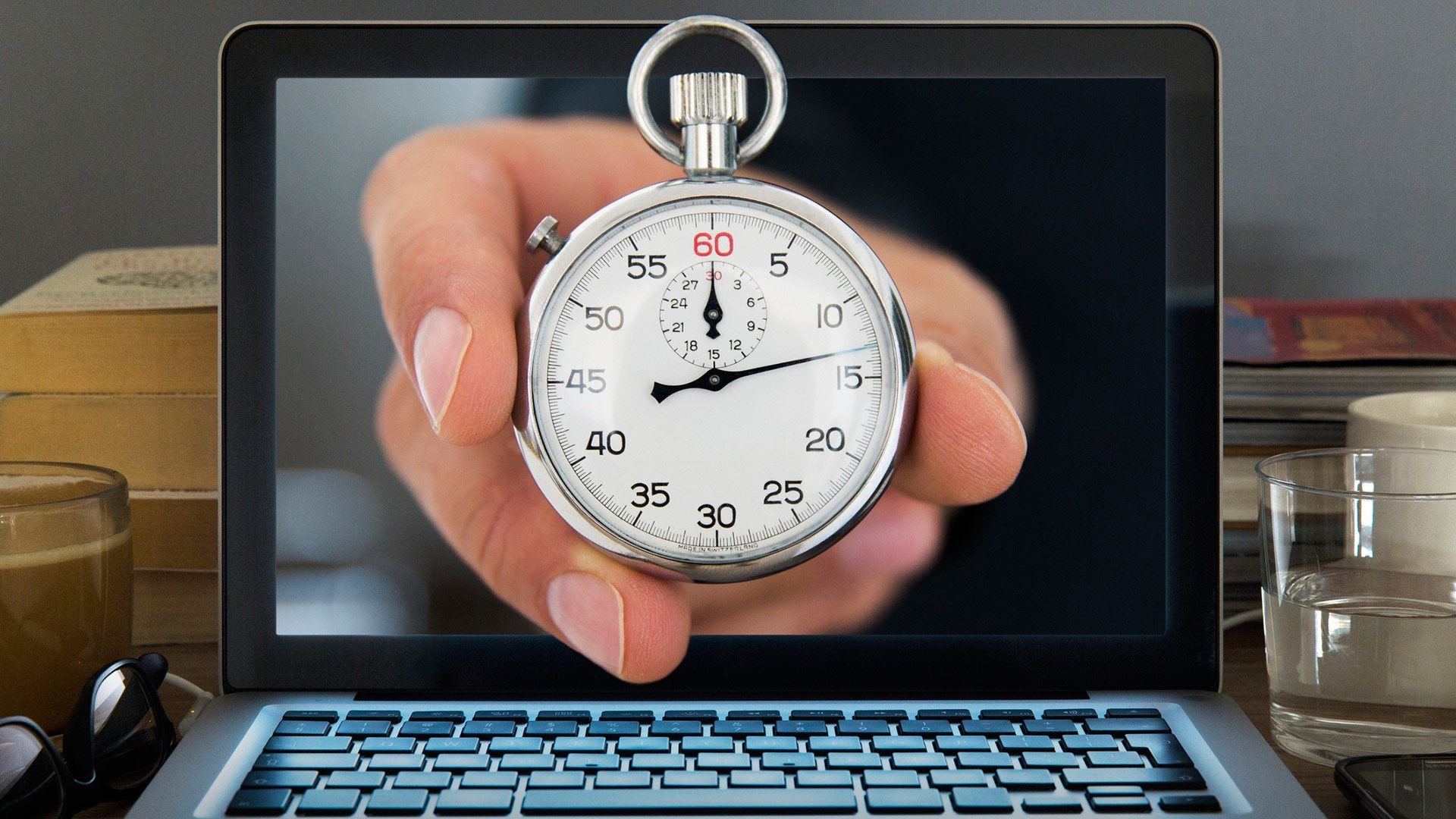
The stopwatch era coincided with Microsoft's most formative years, producing foundational products like MS-DOS, Windows versions 1 through 3, Word, Excel, and the early Office suite. Engineers timed every operation: how fast windows scrolled, how quickly applications launched, how long it took to save files, compile code, or print documents. This obsessive focus on performance metrics created software that ran efficiently even on hardware with just kilobytes of memory and processing speeds measured in megahertz rather than gigahertz.
However, Sinofsky's recollections reveal an interesting tension between actual performance and user perception. He described how the Windows team discovered that VC++ 1.0's compile speed, while objectively faster than previous versions according to their stopwatches, felt slower to users. The solution? Adding a "whizzy spinning line counter made of random numbers" that deliberately slowed compilation by a few percentage points. "Perception improved," Sinofsky noted, admitting he kept the visual flourish despite it reducing raw performance.
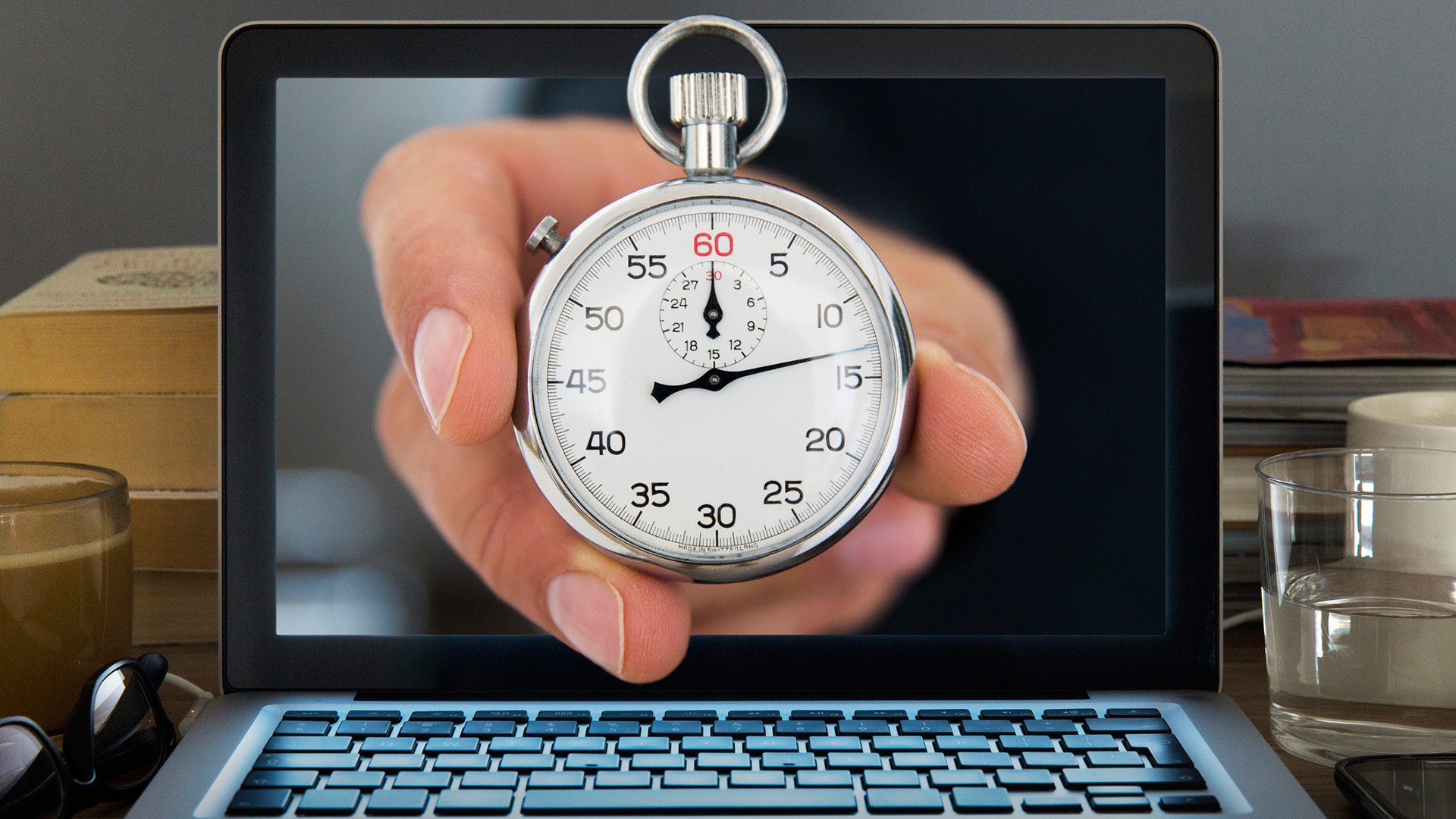
This anecdote highlights a fundamental challenge in software design: the gap between measurable performance and perceived responsiveness. Sometimes, users need visual feedback to feel that a system is working efficiently, even if that feedback comes at the cost of actual speed.
The stopwatch tradition apparently ended for some engineers. Dave W. Plummer, another Microsoft veteran, responded that when he joined in 1993, he was denied a free stopwatch because it was "too expensive." Plummer, who clearly still feels the sting decades later, noted that this fiscal decision "went a long way toward setting the fiscal accountability I brought to the career."
Today, Microsoft faces criticism for the opposite problem. Windows has been accused of becoming bloated, with excessive resource consumption and AI features integrated seemingly everywhere regardless of necessity. The company recently pledged to address these concerns with a new focus on performance, overhead reduction, and reliability improvements across core services like Explorer and Windows Update.

The contrast between Microsoft's stopwatch era and its current challenges raises questions about how software development priorities have shifted over the decades. Modern applications run on hardware that's exponentially more powerful than what existed in the 1980s, yet they often feel slower and more cumbersome. The stopwatch tradition represented a culture where efficiency wasn't just valued—it was measured, managed, and mandated with literal timing devices.
As Microsoft attempts to recapture some of that efficiency focus in 2025, one wonders whether stopwatches will make a comeback as standard issue for Windows developers. The tools may have changed, but the fundamental challenge remains the same: creating software that performs well, feels responsive, and respects the resources users provide.
Comments
Please log in or register to join the discussion