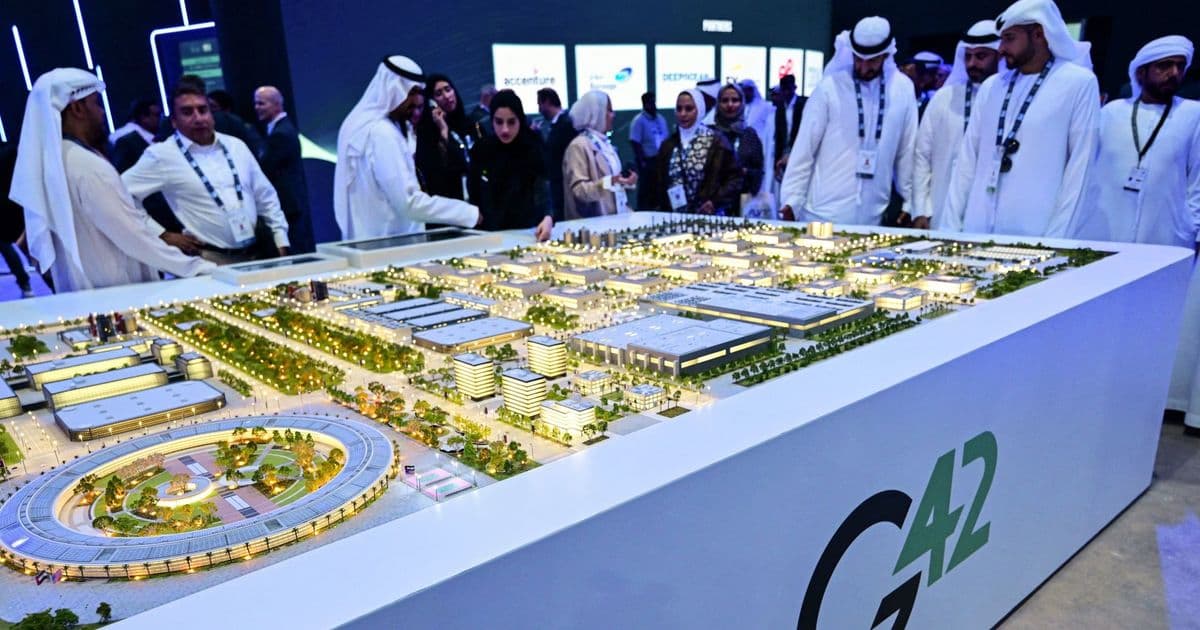
The Middle East's emergence as a premier data center hub is being challenged by escalating regional tensions, with Iran targeting infrastructure and raising concerns about the viability of multi-billion dollar AI projects in the once-promising region.
The Middle East has strategically positioned itself as an attractive destination for data center development and AI infrastructure deployment, leveraging unique advantages that traditional tech hubs cannot match. Countries across the region have implemented comprehensive national strategies, with the UAE launching its AI initiative as early as 2017, followed by Qatar in 2019 and Saudi Arabia in 2020. These nations have invested heavily in building cloud capabilities, exemplified by the UAE's establishment of G42 to consolidate its cloud computing resources.
The region's appeal stems from several critical factors. According to Deutsche Bank Research, Saudi Arabia and the UAE rank as the third and fourth most attractive locations globally for data center development, trailing only Virginia and Texas in the United States. This positioning reflects the region's competitive advantages:
- Abundant and inexpensive energy supplies - crucial for power-intensive AI workloads
- Significant sovereign wealth - enabling large-scale infrastructure investments
- Streamlined regulatory processes - with governments able to coordinate energy policy, land allocation, and planning permissions
- Strong political ties to the United States - providing stability for international partnerships
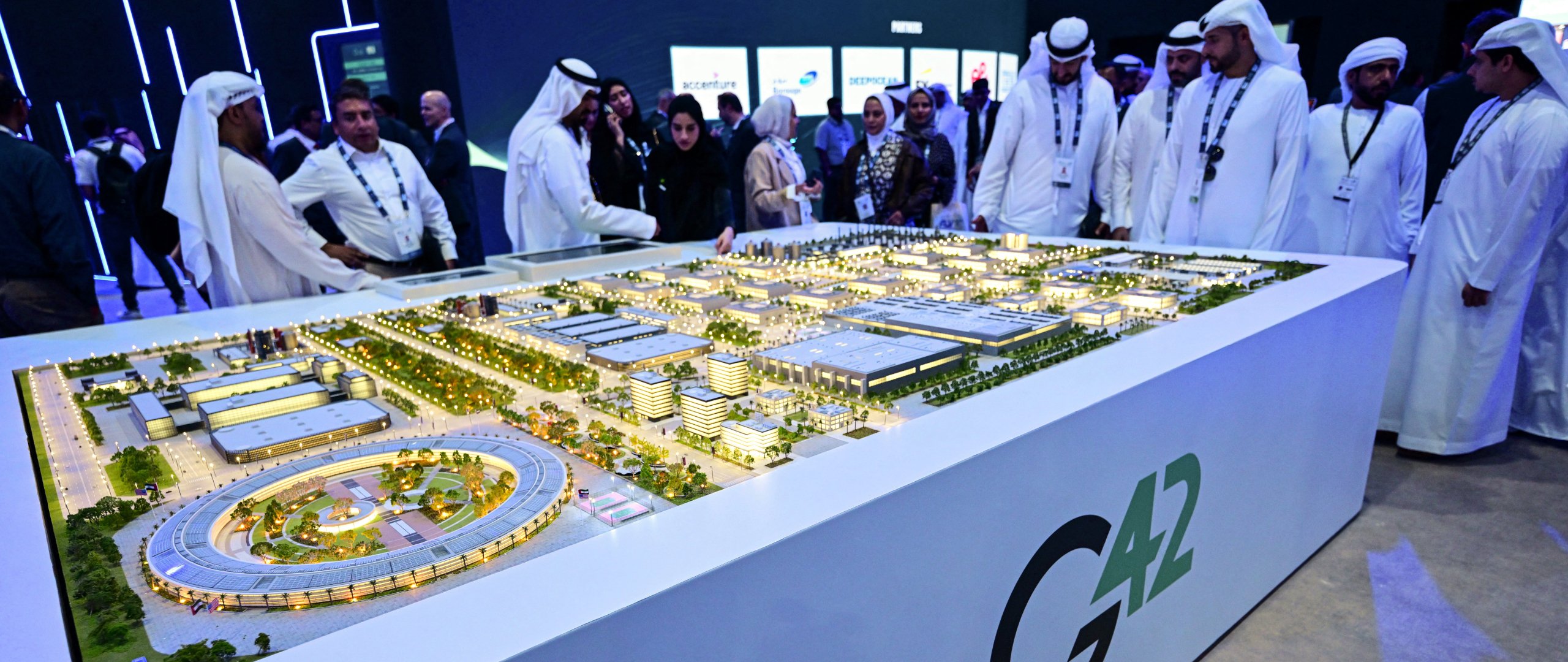
These advantages made the Middle East particularly well-suited for the industrial-scale AI buildout that requires dense clusters of specialized chips with dependable power and cooling infrastructure. The region's ability to execute large-scale projects with national strategic importance attracted substantial global investment, with major initiatives like the Stargate project for the Middle East representing the pinnacle of this ambition.
However, the recent escalation of geopolitical tensions has introduced significant uncertainty into this equation. The conflict between Israel, Iran, and the United States has directly impacted the region's data center landscape. Iran's Islamic Revolutionary Guard has targeted Amazon Web Services data centers in the UAE and Bahrain with drones and missiles, while publicly threatening the Stargate project on the outskirts of Abu Dhabi as retaliation for American involvement in the conflict.
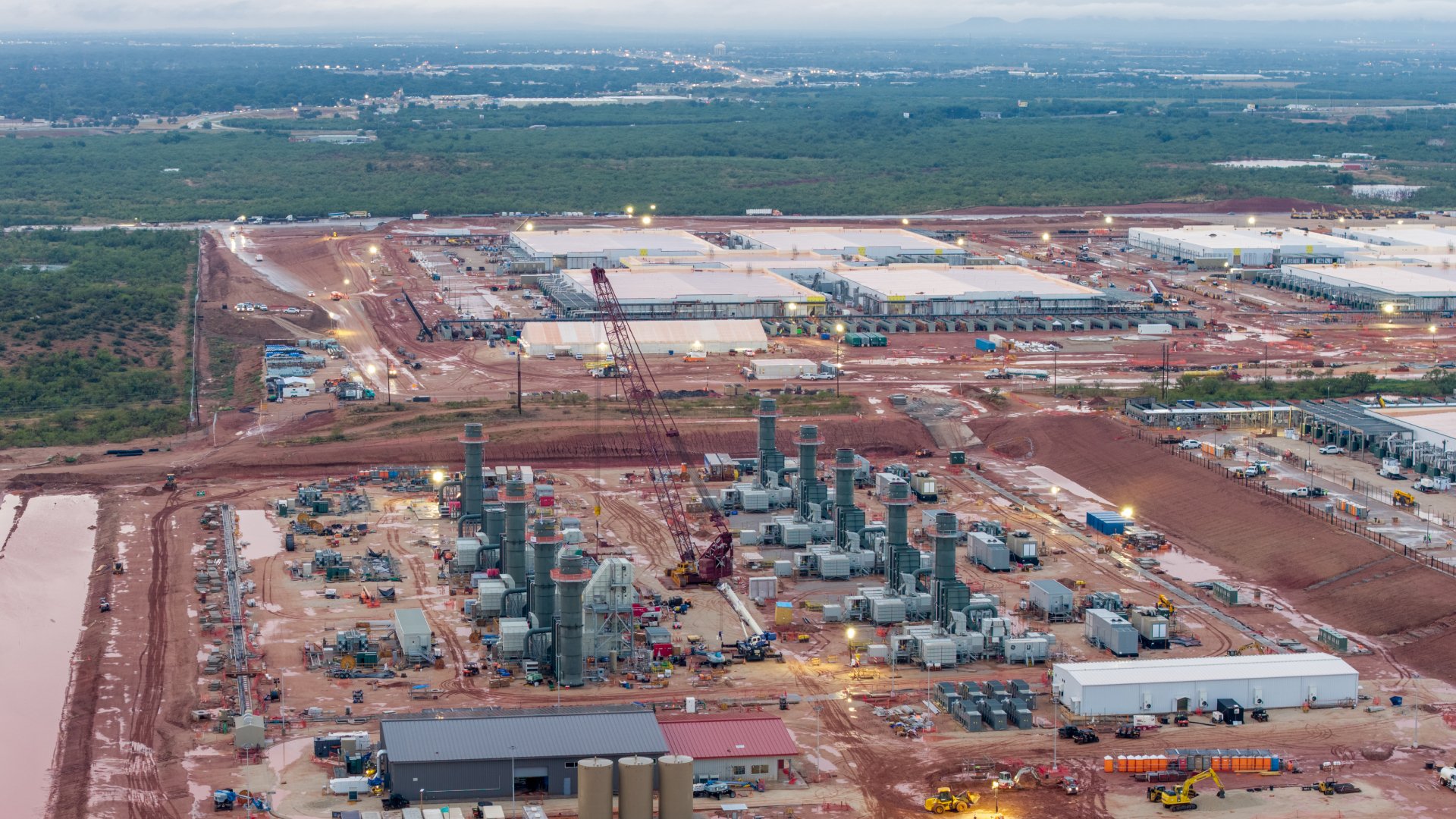
This military activity fundamentally challenges the core value proposition of data centers: certainty and reliability. Cloud service agreements are built on promises of uptime, redundancy, and performance guarantees. AI infrastructure adds another layer of complexity, with companies building compute clusters that may be booked months in advance through long-term contracts and integrated into critical business systems.
The question for hyperscalers and enterprise customers has shifted from whether facilities can survive physical strikes—which they largely have, once restored—to whether organizations are comfortable placing critical workloads in a region where geopolitical escalation can suddenly become an operational variable. This uncertainty is prompting some companies to reconsider their deployment strategies.
"We see Asia's AI data center expansion getting even stronger in the coming years, especially in Southeast Asia, Japan, and Australia as hyperscalers could divert projects from the Middle East towards Asia," noted Mayank Maheshwari, an equity analyst at Morgan Stanley.
The market response to the instability remains divided. Some analysts believe the geopolitical situation has fundamentally altered the investment calculus. "Whether or not the current ceasefire holds, it has threatened the region's economy, supply lines and facilities, and could yet squeeze investment not only in the region but also abroad," warned Adrian Cox, managing director and thematic strategist at Deutsche Bank Research.
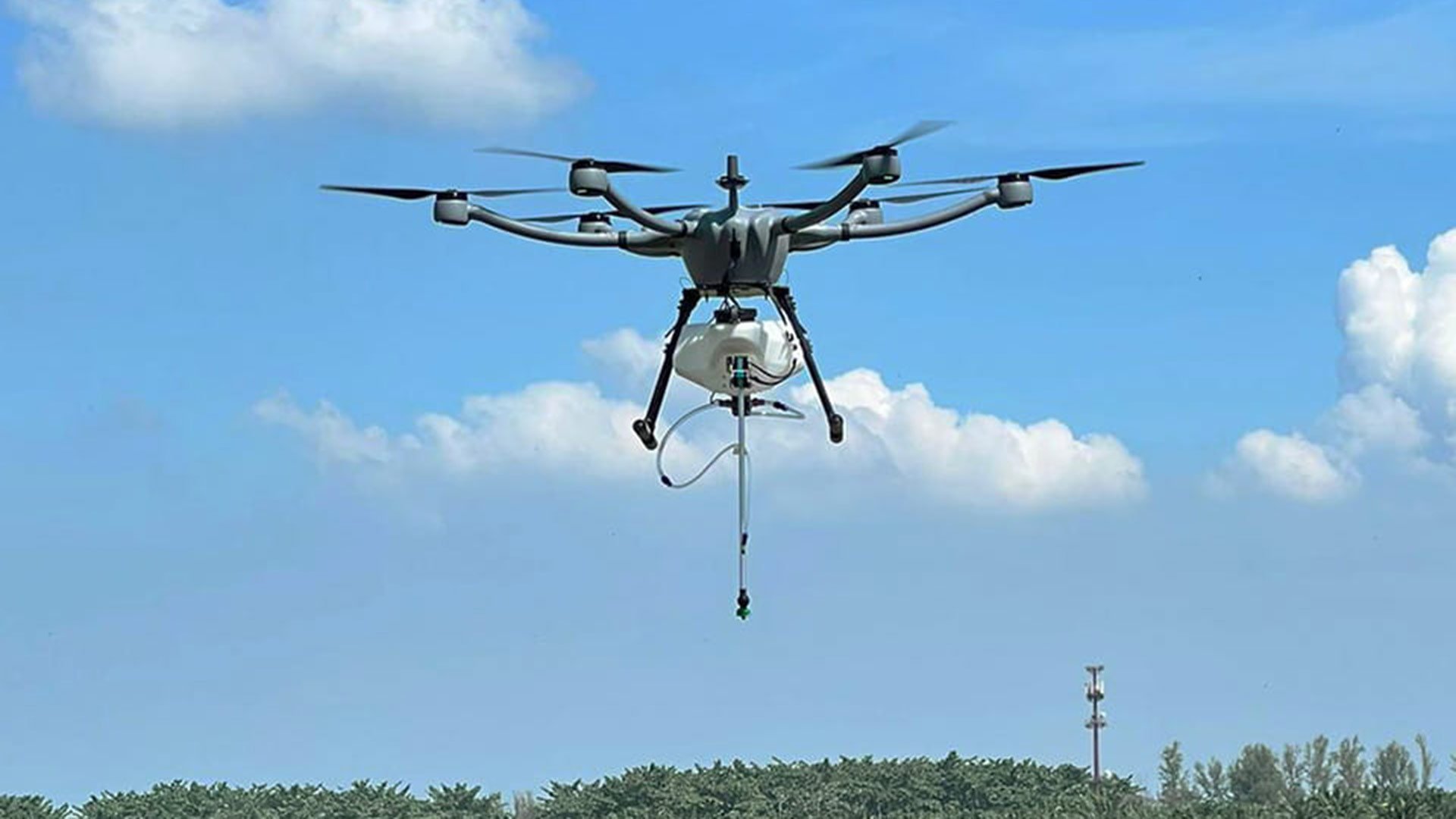
Others maintain that development continues unabated. "There has been direct impact on, I think at least one data center that has been hit by a drone, but overall, we see no slowdown in activity," said Mark Whyte, global head of built environment and infrastructure at Control Risks. "If anything, the volumes of work are only up."
This divergence in perspective reflects different risk assessments and strategic priorities. While some projects may face delays or increased costs due to heightened security requirements and insurance considerations, the most strategically significant initiatives—particularly those backed by governments with long-term horizons and substantial resources—appear likely to proceed.
Countries like Saudi Arabia are adopting a long-term perspective, viewing the current instability as a risk to be managed rather than a strategic retreat. "Countries like Saudi Arabia are looking well ahead of this, rather than reacting in a tactical way," explained Whyte. "The Saudis in particular, see themselves as a global powerhouse for this type of thing going forward, and how they're trying to position themselves to the future."

This forward-thinking approach includes enhanced security measures for critical infrastructure. "From a risk and resilience perspective, I think you have to look at the threats and risks to data center networks as a military planner would," Whyte emphasized. The region's determination to establish itself as a global data center hub remains strong, even as it navigates the complex challenges of operating in a geopolitically volatile environment.
As the data center industry continues its rapid expansion to meet growing AI demands, the Middle East's unique advantages—energy abundance, capital availability, and government support—continue to make it an attractive destination. However, the recent conflict has introduced a new variable into the equation, forcing stakeholders to balance long-term strategic vision with immediate operational realities in an increasingly uncertain regional landscape.
Comments
Please log in or register to join the discussion