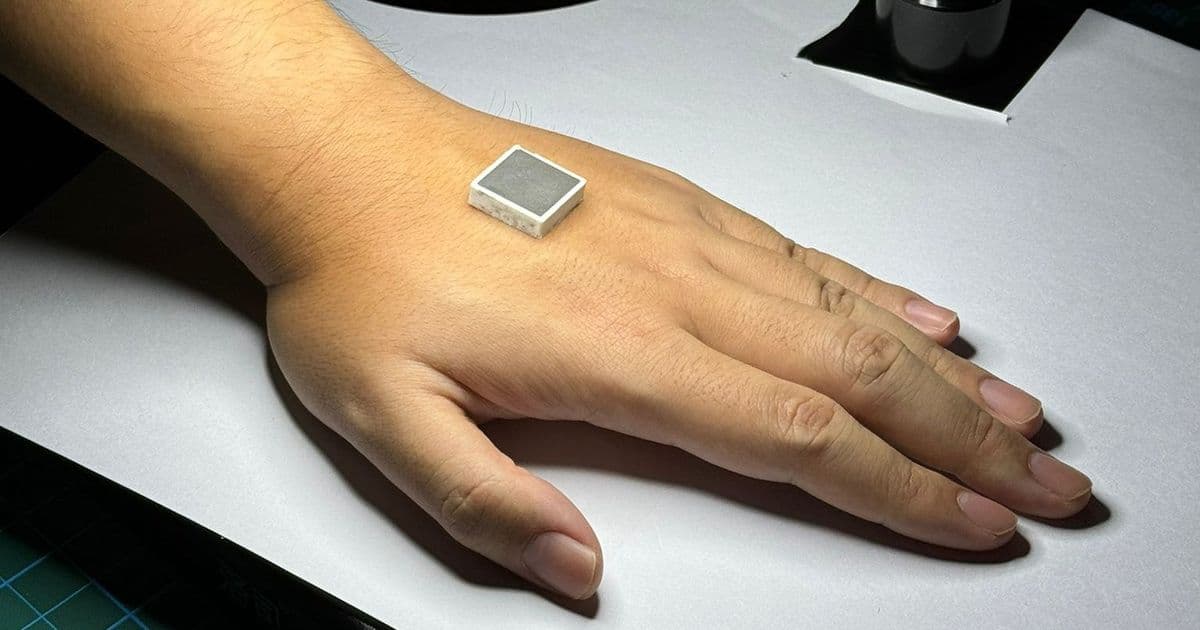
SMART's new WITEC research group is developing the world's first wearable ultrasound imaging system that can monitor cardiovascular health continuously for up to 48 hours, potentially transforming chronic disease management from hospital-based to home-based care.
A new research initiative led by MIT and Singapore institutions aims to revolutionize chronic disease monitoring through wearable ultrasound technology. The Singapore-MIT Alliance for Research and Technology (SMART) has launched the Wearable Imaging for Transforming Elderly Care (WITEC) project, which seeks to develop the world's first wearable ultrasound imaging system capable of continuous 48-hour cardiovascular monitoring.
Current approaches to chronic disease management rely heavily on periodic hospital visits and episodic imaging sessions. Patients with conditions like hypertension and heart failure typically receive only intermittent snapshots of their cardiovascular health through traditional ultrasound scans. This reactive model often misses critical changes that occur between appointments, potentially delaying intervention until conditions worsen.
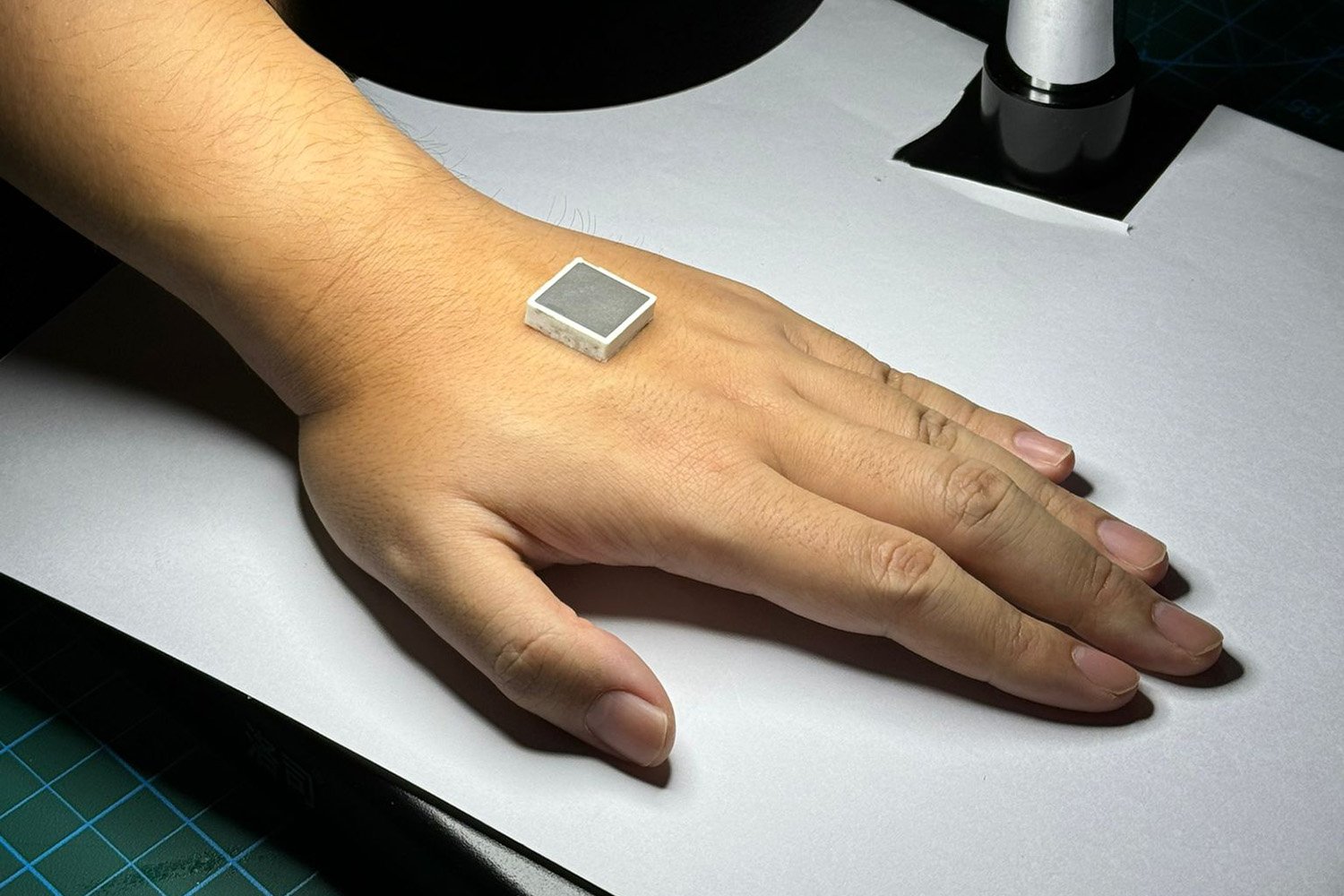
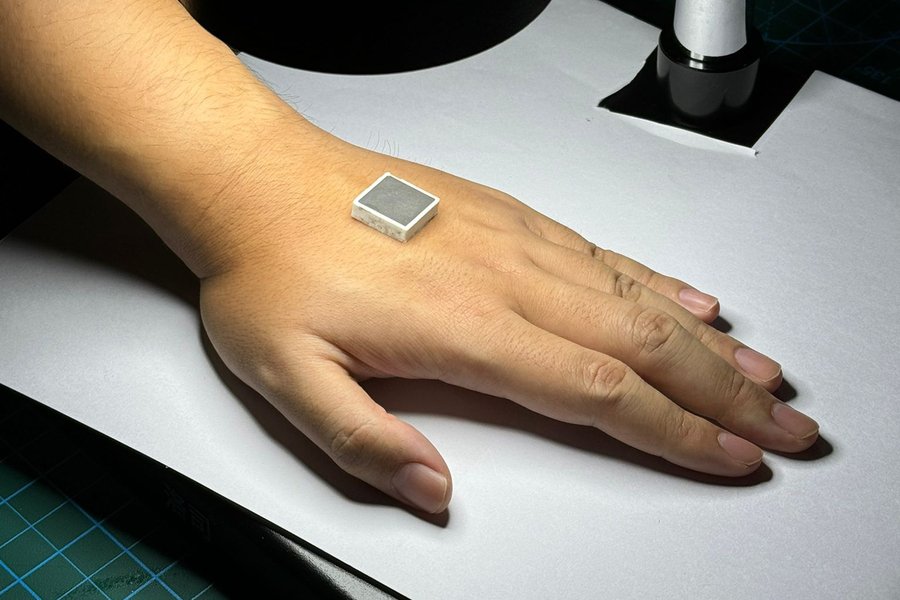
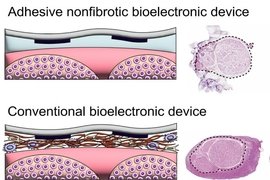
The WITEC project addresses this gap by creating a wearable patch that adheres to the body using bioadhesive gel materials. The device contains ultrasonic transducers that can capture real-time cardiovascular imaging data continuously over extended periods. This shift from reactive, hospital-based care to preventative, community-based monitoring could enable earlier detection of health issues and more timely interventions.
To support this ambitious goal, WITEC's laboratory houses Southeast Asia's first sub-micrometer 3D printer and Singapore's first Verasonics Vantage NXT 256 ultrasonic imaging system. The 3D printer operates at resolutions down to single cells or tissue structures, allowing researchers to prototype bioadhesive materials and device interfaces with unprecedented accuracy. This precision is crucial for ensuring skin-safe adhesion and maintaining stable imaging quality over 48-hour monitoring periods.
The Verasonics system provides researchers with advanced capabilities for testing customized imaging methods. With more probe control channels than conventional systems, it enables complex beamforming, higher-resolution image capture, and integration with AI-based diagnostic models. These features are essential for achieving the long-duration, real-time cardiovascular imaging that WITEC aims to deliver.
The technology addresses a critical need in aging societies like Singapore, where chronic diseases are rising rapidly. Current consumer wearables like smartwatches provide limited physiological data such as heart rate or step count, which proves insufficient for managing complex chronic conditions. Traditional ultrasound systems, while clinically powerful, remain bulky, operator-dependent, and confined to hospital settings.
WITEC's wearable ultrasound system could transform chronic disease care by enabling patient self-management and continuous monitoring at home. The technology may help ease labor shortages by reducing the need for ultrasound operators, nurses, and doctors to perform routine monitoring tasks. This shift could lower healthcare costs while improving patient outcomes through earlier detection and intervention.
The interdisciplinary research team includes experts from MIT, Nanyang Technological University, National University of Singapore, and Tan Tock Seng Hospital. Key investigators include Xuanhe Zhao from MIT, Joseph Sung from NTU Singapore, Cher Heng Tan from LKCMedicine, Chwee Teck Lim from NUS, and Xiaodong Chen from NTU's School of Materials Science and Engineering.
Over the next three years, WITEC plans to develop a fully integrated platform through innovations in bioadhesive couplants, nanostructured metamaterials, and ultrasonic transducers. Clinical trials led by Violet Hoon at Tan Tock Seng Hospital are expected to commence this year to validate long-term heart monitoring for chronic cardiovascular disease management.
The project represents a significant investment in deep-tech research and development, with potential impacts extending beyond healthcare. Breakthroughs in soft materials, transducers, microelectronics, data science, and AI diagnostics could drive innovation across multiple industries. The initiative is also expected to create high-value jobs and attract strategic investments in biomedical innovation and industry partnerships.
By shifting monitoring from episodic hospital visits to continuous home-based care, WITEC's wearable ultrasound technology could fundamentally change how chronic diseases are managed. The ability to capture 48 hours of uninterrupted cardiovascular imaging data could provide clinicians with richer insights for treatment decisions while giving patients greater control over their health management.
This research builds on SMART's existing work in areas such as antimicrobial resistance, cell therapy development, precision agriculture, AI, and 3D-sensing technologies. The WITEC project exemplifies how interdisciplinary collaboration between leading institutions in the United States and Singapore can push the boundaries of what's possible in healthcare technology, potentially benefiting societies worldwide as they grapple with aging populations and rising chronic disease burdens.
Comments
Please log in or register to join the discussion