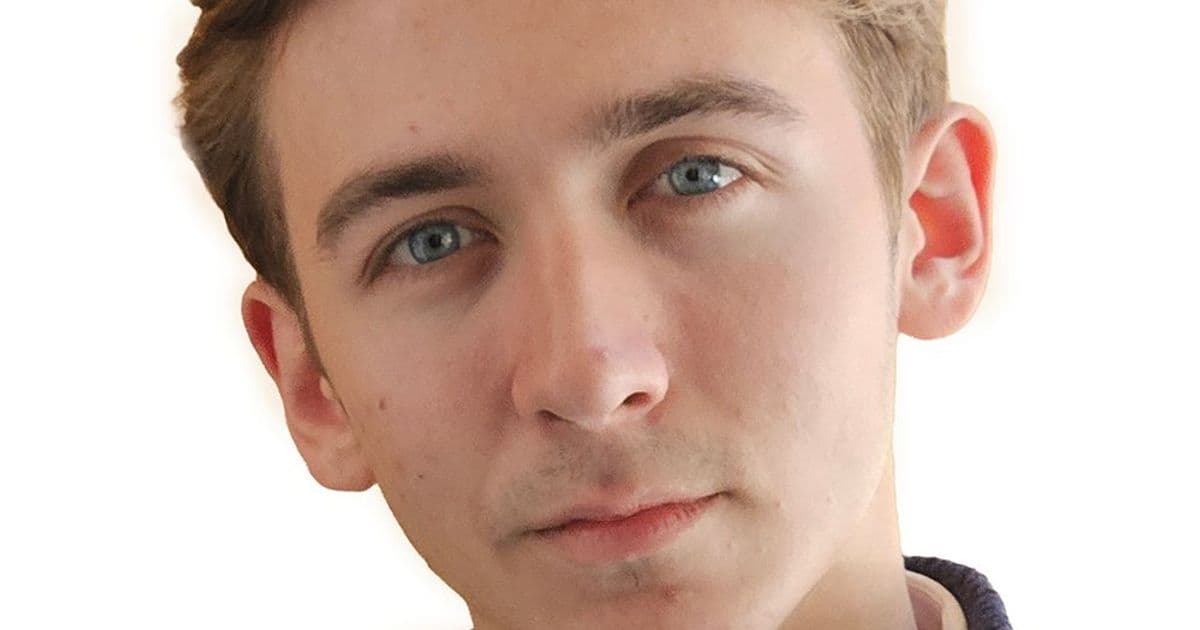
Cherokee Nation member and MIT electrical engineering and computer science sophomore Jack Carson is named a 2026 Udall Scholar, the first MIT recipient recognized for tribal public policy, for his work spanning AI research, Indigenous tech education, and ethics.
MIT student Jack Carson named 2026 Udall Scholar
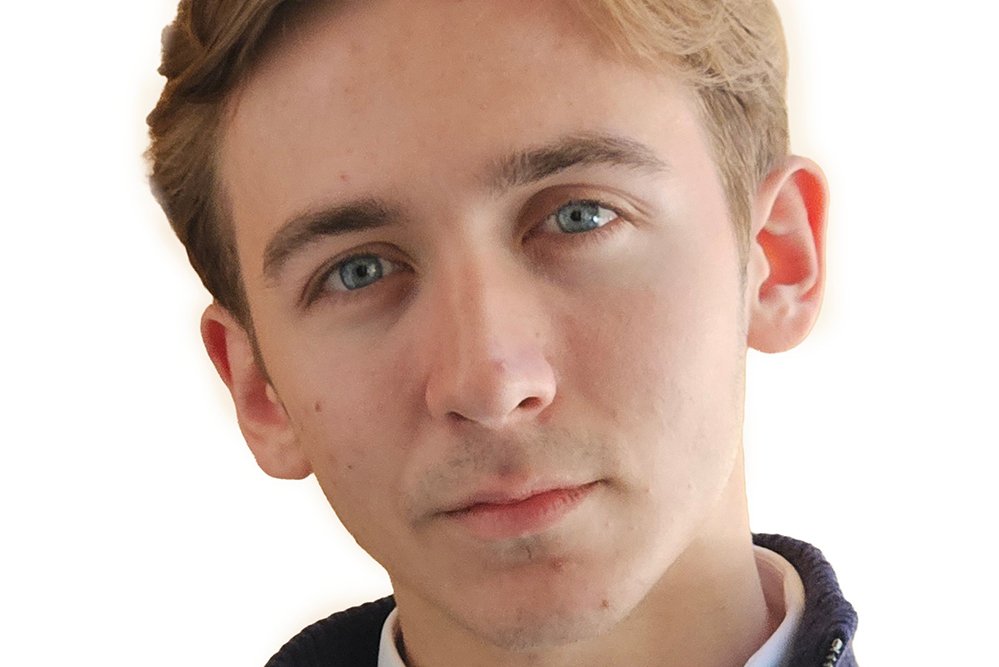
Jack Carson, a second-year undergraduate at MIT majoring in electrical engineering and computer science, has been selected as a 2026 Udall Scholar, joining a cohort of up to 65 undergraduates nationwide to receive the $7,500 award from the Udall Foundation. The foundation recognizes students who demonstrate sustained commitment to environmental advocacy, Indigenous health care, or tribal public policy. Carson is the third MIT student to earn the honor, and the first from the university to win in the tribal policy category.
Carson is a member of the Cherokee Nation and a resident of Oklahoma. His work spans artificial intelligence, biomedical research, Indigenous community development, and ethics, reflecting the multidisciplinary focus the Udall Scholarship prioritizes. Kim Benard, associate dean for distinguished fellowships at MIT, notes that Carson embodies the type of leader the foundation aims to support. "Jack is the type of leader the Udall Foundation exists to support," Benard says. "He's not only conducting advanced research, but he's actively creating opportunities for Indigenous students to enter tech fields."
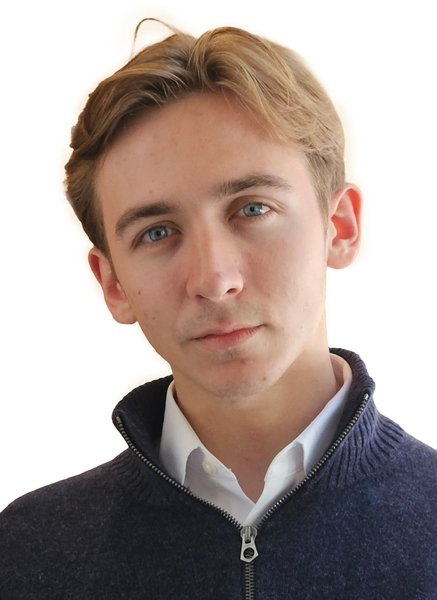
At MIT's Computer Science and Artificial Intelligence Laboratory (CSAIL), Carson works in the Barzilay Lab, a group focused on applying machine learning to biomedical problems. His current project involves developing multiomics models to identify personalized therapeutic targets, work that sits at the intersection of deep learning and statistical physics. Multiomics approaches integrate data from multiple biological layers, including genomics, proteomics, and metabolomics, to build a more complete picture of cellular function than single-data-type methods can provide. Carson's models use deep neural networks to parse high-dimensional multiomics datasets, applying principles from statistical physics to model the complex, non-linear interactions between biological molecules. This approach can improve the accuracy of predicting which therapeutic targets will be effective for individual patients, a key step in developing personalized treatments for conditions ranging from cancer to rare genetic disorders.
His sole-author paper on this work was accepted to the International Conference on Machine Learning (ICML), a top-tier peer-reviewed venue for machine learning research. The acceptance of a sole-author paper to ICML is a notable achievement, as most accepted work involves multiple contributors, particularly for undergraduate researchers.
One challenge facing this line of research is the lack of diverse, high-quality multiomics datasets that include Indigenous populations. Historical underrepresentation in biomedical research means that most existing datasets skew toward European ancestry groups, which can limit the generalizability of models like Carson's to Indigenous patients. Addressing this data gap will require concerted efforts to recruit Indigenous participants into clinical trials and ensure that data collection respects tribal sovereignty and data governance protocols.
Beyond his research, Carson founded Code.Tulsa, a summer technology program designed to introduce Indigenous high school students to computer science and tech careers. Indigenous communities remain significantly underrepresented in technology fields, with fewer than 1% of tech workers identifying as American Indian or Alaska Native according to recent industry reports. This underrepresentation limits the ability of tribal nations to use technology to advance sovereignty goals, such as digital governance systems, natural resource management tools, and expanded telehealth access. Code.Tulsa aims to close this gap by providing hands-on coding experience, mentorship from Indigenous tech professionals, and information about college pathways in STEM fields.
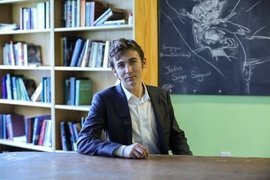
Carson's work extends to ethics as well. He won the 2026 Elie Wiesel Prize in Ethics Essay Contest, which recognizes undergraduate writing on ethical issues. His philosophical focus on justice and responsibility informs both his research and community work, ensuring that technical projects are grounded in the needs and values of the communities they aim to serve. Outside of academics and community work, Carson is an accomplished musician who has performed at Carnegie Hall and with the National Opera, a motorcycle racer, and a self-described philosopher.
Prior to Carson, only two MIT students had won the Udall Scholarship, including Anushree Chaudhuri, a 2023 winner recognized for her work in environmental policy. 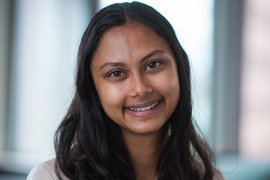 Chaudhuri's work focused on sustainable energy solutions for tribal communities, reflecting the range of policy areas the Udall Foundation supports. Another related MIT initiative is the NASA First Nations Launch High-Power Rocket Competition, which the MIT team won in 2024, providing Indigenous students with hands-on experience in aerospace engineering.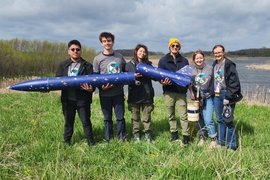
The Udall Scholarship provides not only financial support but also access to a network of scholars and professionals working in tribal policy, Indigenous health, and environmental advocacy. For Carson, this network will complement his existing work, connecting his technical research in AI and biomedical science with policy efforts to expand tech access and health equity for Indigenous communities. Related reading includes this profile of MIT junior Anushree Chaudhuri named 2023 Udall Scholar.
Comments
Please log in or register to join the discussion