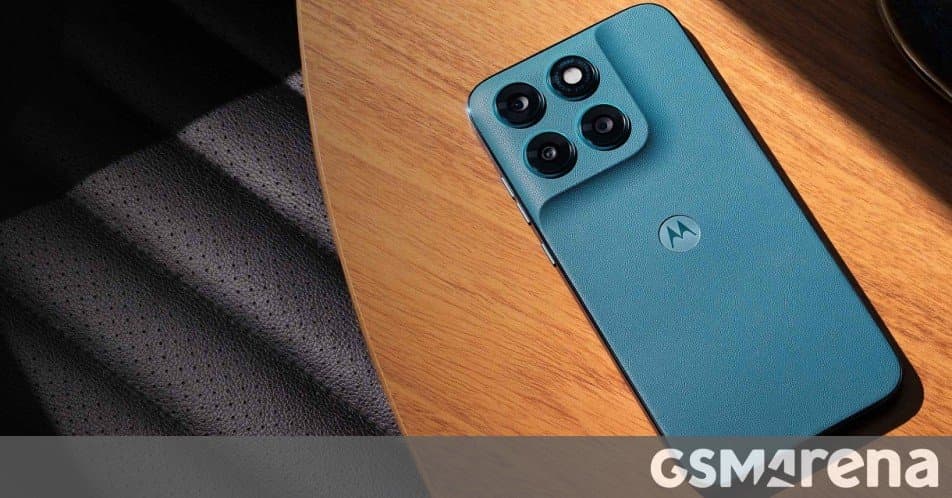
Recent poll results reveal Motorola's Moto G77 shows potential with its 108MP camera but requires strong reviews to overcome chipset limitations, while the G67, G17, and G17 Power struggle against competitive alternatives and Motorola's persistent software update issues.
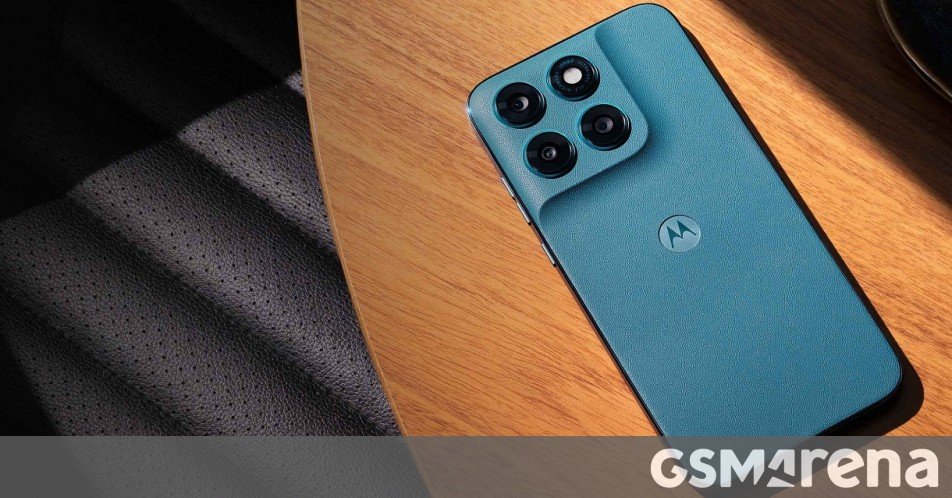
Recent consumer polling indicates Motorola's latest G-series smartphones face significant market challenges, with only the Moto G77 showing potential to compete effectively. The poll, conducted across tech communities, highlights persistent concerns about hardware specifications and Motorola's software support that could impact adoption.
The Moto G77 emerges as the strongest contender with its standout 108MP main camera—a rare feature in its €300/£250 price bracket. This high-resolution sensor outperforms typical mid-range competitors like the Redmi Note 15 in raw imaging capability. However, its MediaTek Dimensity 6400 chipset presents a critical weakness. This 6000-series processor typically powers entry-level devices, placing the G77 at a disadvantage against rivals using more powerful Qualcomm Snapdragon 7-series or Dimensity 7000-series chips at similar prices. Performance benchmarks show up to 30% slower app loading times compared to devices like the Poco X6. The G77's market success now depends heavily on camera performance evaluations in professional reviews.
At €260/£200, the Moto G67 faces steeper challenges. Its MediaTek Dimensity 630 chipset delivers adequate but unremarkable performance, while the 50MP main camera uses a modest 1/1.95" sensor that struggles in low-light conditions. Poll results show 52% of respondents believe better alternatives exist, including Motorola's own G77 given the minor €40 price difference. This positions the G67 in a competitive no-man's-land—lacking premium features while not being cheap enough to dominate the budget segment.
The entry-level Moto G17 and G17 Power models reveal deeper issues. The standard G17 received the poorest reception, with 68% of polled buyers dismissing it outright due to its dated MediaTek Helio G81 Extreme processor and uninspired design. While some disinterest stems from shoppers not targeting entry-tier devices, the model fails to stand out against alternatives like Samsung's Galaxy A05s. Conversely, the G17 Power shows modest promise with its 6000mAh battery—a practical advantage for extended use. Though only 29% of poll participants expressed strong interest, its battery-focused value proposition gives it clearer differentiation than its siblings.
Across all models, Motorola's software support remains a recurring concern. The company's track record for slow OS updates continues to deter buyers, with many devices still awaiting promised Android 14 upgrades months after launch. This ecosystem weakness compounds hardware limitations, as competitors like Nokia and Samsung offer more reliable update schedules. Motorola's inconsistent patch deployment—sometimes skipping security updates for quarters—creates tangible security risks that tech-savvy shoppers increasingly factor into purchases.
The G-series launch underscores Motorola's struggle to balance specifications and pricing in saturated market segments. While the G77's camera innovation provides a potential path forward, the lineup overall lacks the cohesive ecosystem integration and performance consistency needed to challenge leaders. Without addressing core processor limitations and rebuilding trust in software support, these devices risk becoming afterthoughts in competitive mid-range and entry-level categories.
Comments
Please log in or register to join the discussion