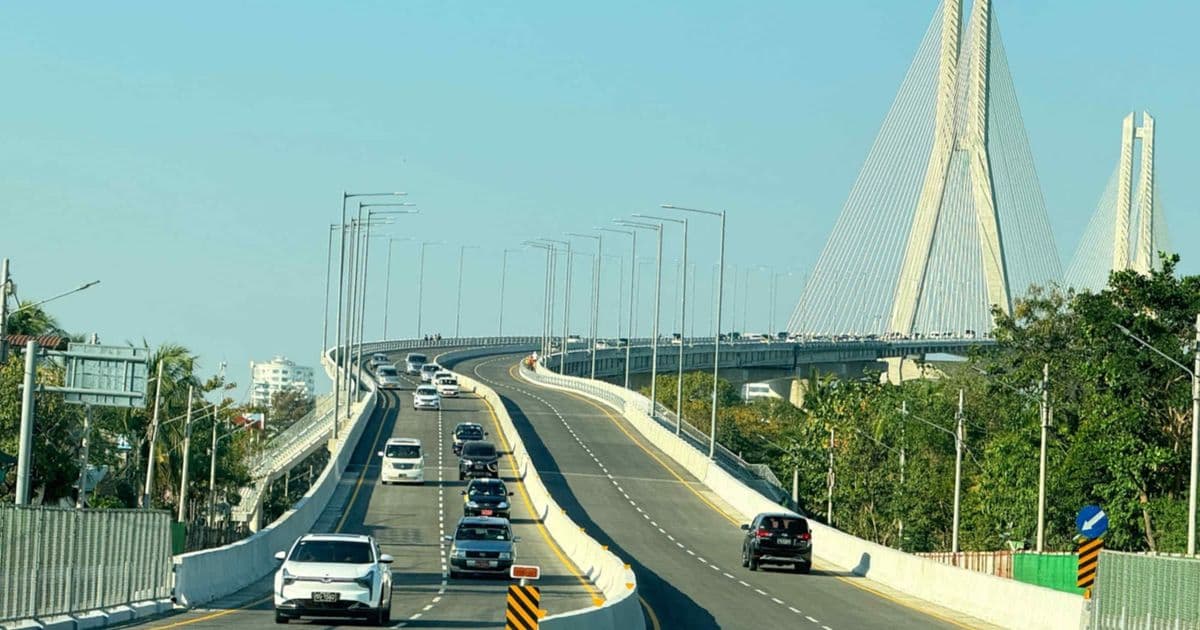
The $180M Dala Bridge project, funded primarily by South Korea, opens after pandemic and coup delays as regional powers vie for influence in Myanmar.
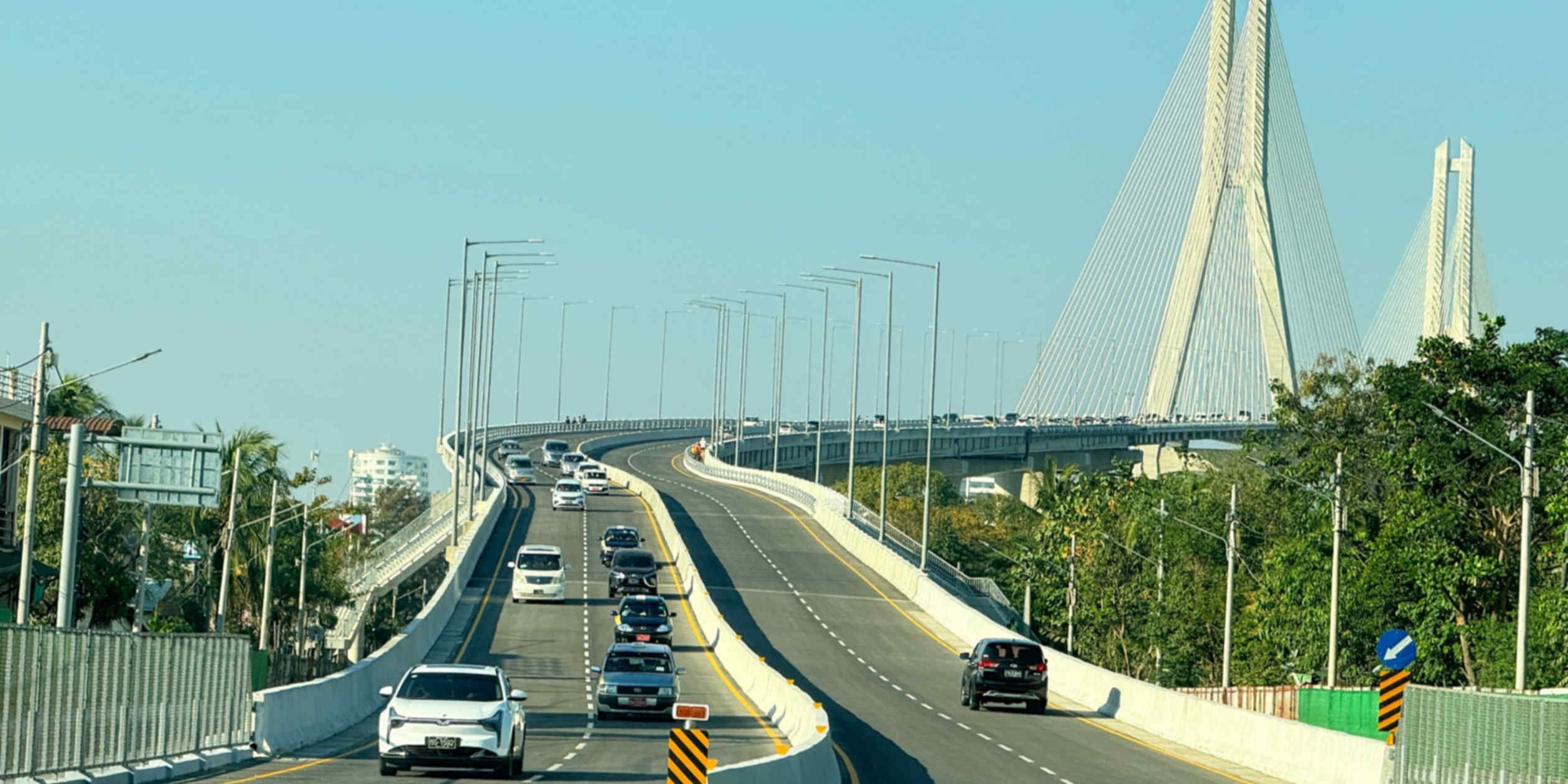
The Dala Bridge spanning Yangon River officially opened on February 6, 2026, marking Myanmar's largest cable-stayed infrastructure project to date. Financed primarily by South Korea's government, the 1.8-kilometer structure connects downtown Yangon with the underdeveloped Dala township. The project signals Seoul's strategic infrastructure push in Southeast Asia amid shifting regional alliances.
Construction led by GS Group began in 2019 with an initial $170 million budget and 2023 completion target. Delays from COVID-19 disruptions and Myanmar's 2021 military takeover extended the timeline by three years. Final costs exceeded projections by $11 million, with Myanmar's military government contributing 23.06 billion kyat to complete the project.
The bridge introduces critical utilities infrastructure to Dala, including a dedicated pipeline for potable water alongside its 2-meter-wide pedestrian walkways. Early traffic patterns reveal immediate economic impact: land values in Dala township have risen steadily during construction, with commercial and residential development plans now advancing.
This opening occurs against a backdrop of competitive infrastructure diplomacy. Japan financed four bridges completed since 2023 but froze new official development assistance (ODA) after the military coup. Meanwhile, China and India continue expanding engagement with Myanmar's military leadership. South Korea's 80% funding of the Dala project positions it as an alternative partner as Myanmar prepares to inaugurate a pro-military government in April.
Strategic implications are multi-layered:
- Economic: The bridge unlocks 127 square miles of underutilized land across Yangon River, potentially creating new industrial zones and tech hubs
- Geopolitical: South Korea gains infrastructure foothold while avoiding direct political alignment amid Western sanctions
- Financial: Cost overruns highlight execution risks in volatile markets, with original budgets proving inadequate for political disruptions
Traffic regulations were notably ignored during the opening as locals stopped vehicles mid-span for photography, illustrating both public enthusiasm and enforcement challenges. This infrastructure project demonstrates how development financing continues amid political isolation, with regional powers filling voids left by withdrawn Western investment. The bridge's operational success now depends on Myanmar's ability to stimulate cross-river economic activity beyond ceremonial openings.
Comments
Please log in or register to join the discussion