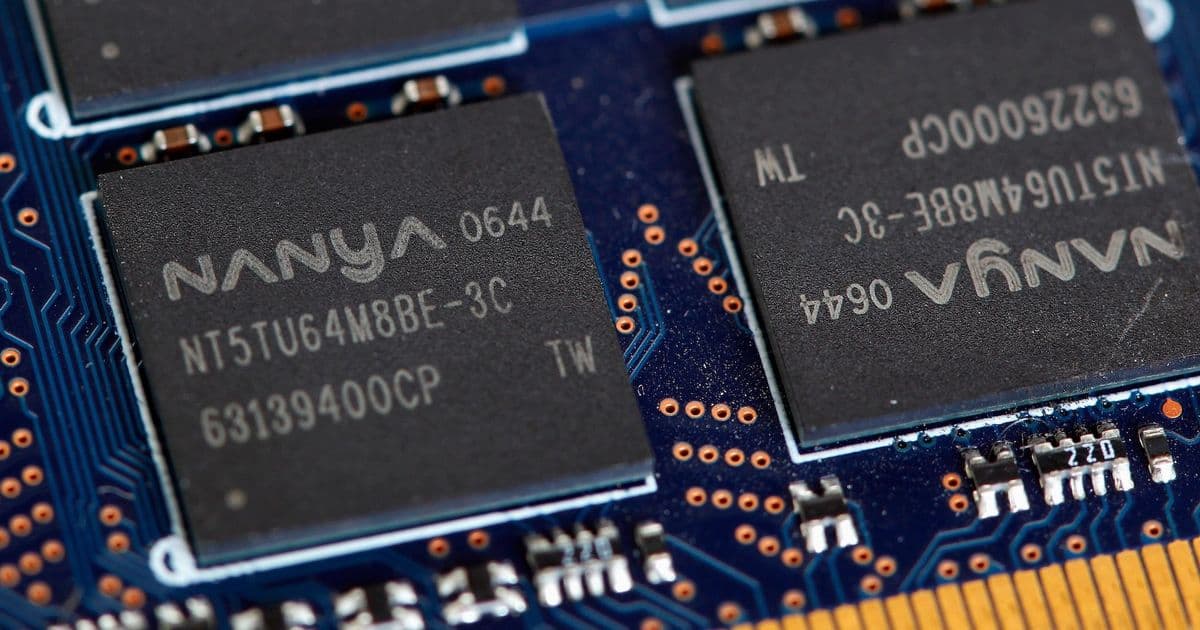
Taiwanese memory chipmaker Nanya Technology secures $2.5B from major tech firms to expand production as AI-driven demand reshapes the semiconductor landscape.
Taiwanese memory chipmaker Nanya Technology has raised approximately $2.5 billion in a private placement from major industry players including SanDisk, SK Hynix's Solidigm, Cisco, and Kioxia to expand its advanced chip production capabilities.
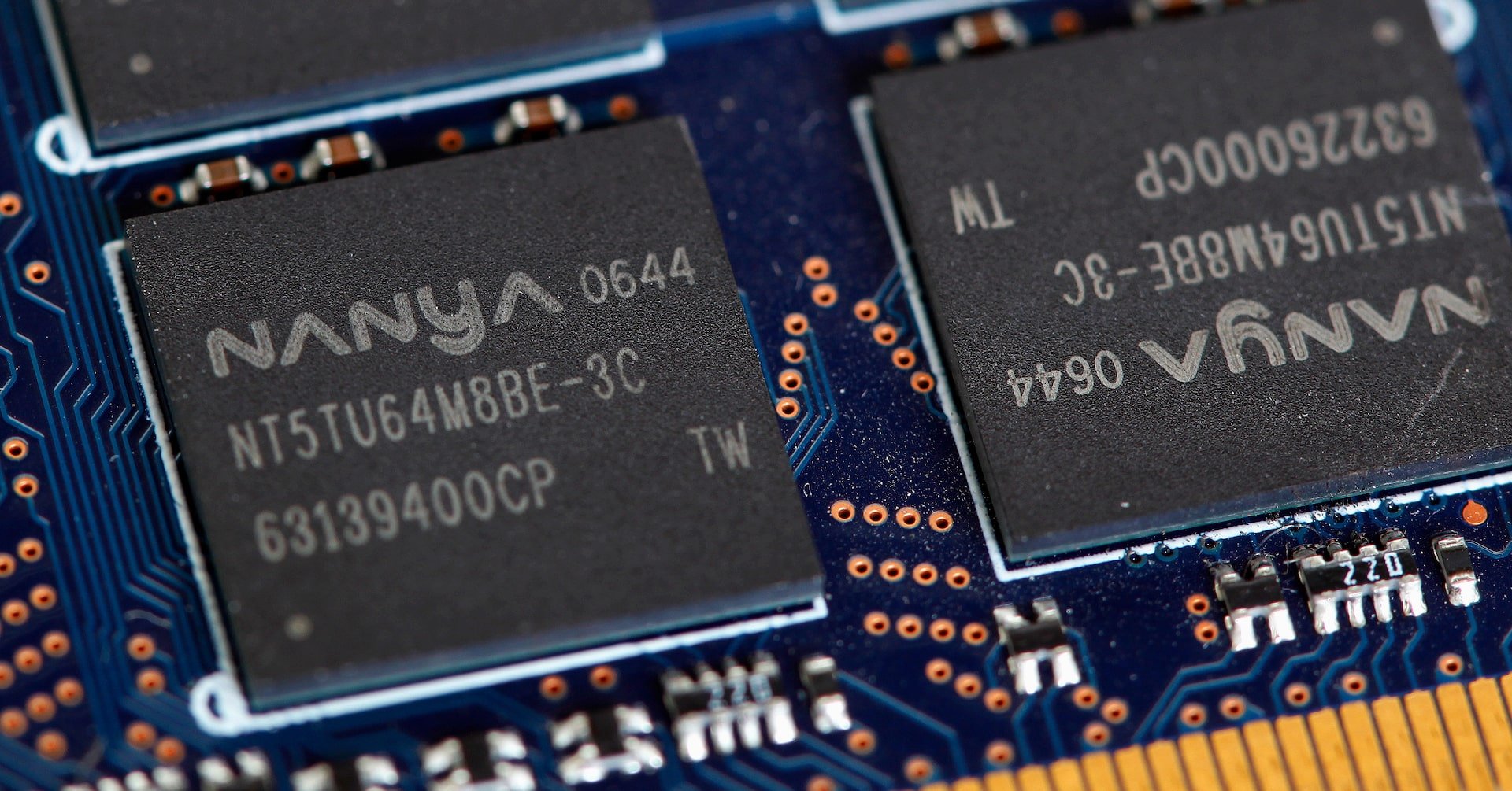
The funding comes at a critical juncture for the memory chip industry, which is experiencing significant volatility driven by AI-driven demand and technological shifts. Nanya's shares opened limit-up 10% on the news, reflecting investor confidence in the company's expansion plans.
Industry Context: Memory Market in Flux
The timing of Nanya's funding round is particularly noteworthy given recent market turbulence. US memory chip stocks lost approximately $100 billion in market value this week, led by Micron's 15% drop, after Google Research detailed its TurboQuant compression algorithm. This research suggests AI data centers will need much less memory than previously anticipated, sending shockwaves through the industry.
This development follows broader concerns about memory demand. Sony Japan recently suspended fulfillment of nearly all its CFexpress and SD memory card product lines due to solid-state memory shortages, highlighting the complex supply-demand dynamics at play.
Strategic Implications
The participation of major tech companies in Nanya's funding round signals several strategic priorities:
Supply Chain Security: With AI development accelerating, tech giants are investing in memory production to ensure reliable supply chains for their data centers and devices.
Advanced Manufacturing: The funding will likely support Nanya's transition to more advanced manufacturing processes, critical for meeting the performance demands of AI applications.
Market Positioning: By backing Nanya, these companies may be seeking alternatives to traditional memory suppliers amid geopolitical tensions and supply chain concerns.
Counter-Perspectives
However, some analysts question whether this investment represents a contrarian bet. The recent market downturn in memory stocks suggests that AI's impact on memory demand may be more nuanced than initially believed. Google's TurboQuant research indicates that more efficient algorithms could reduce memory requirements, potentially challenging the bullish case for memory expansion.
Additionally, the memory market has historically been cyclical, with periods of oversupply following investment booms. There's a risk that Nanya's expansion could contribute to future market imbalances if demand growth doesn't materialize as expected.
Broader Semiconductor Trends
Nanya's funding round is part of a larger pattern of semiconductor investment and consolidation. Physical Intelligence, a robotics startup developing AI models for robotics, is reportedly discussing a new $1 billion funding round that would value it at over $11 billion. Meanwhile, Alibaba and ByteDance plan to order Huawei's new 950PR AI chip after tests showed better CUDA compatibility, with Huawei targeting approximately 750,000 950PR shipments in 2026.
These developments underscore the intense competition and rapid innovation in the semiconductor space, particularly in AI-related applications. Companies are racing to secure access to advanced chips while also developing alternatives to established architectures.
Looking Ahead
The success of Nanya's expansion will depend on several factors: the actual demand trajectory for AI-related memory, the company's execution on advanced manufacturing, and the broader geopolitical landscape affecting semiconductor supply chains. As AI continues to evolve, the memory requirements for different applications may shift in unexpected ways, potentially validating or challenging current investment strategies.
For now, Nanya's $2.5 billion funding round represents a significant vote of confidence in the company's strategy and the broader memory market, even as the industry grapples with questions about future demand patterns and technological requirements.
Comments
Please log in or register to join the discussion