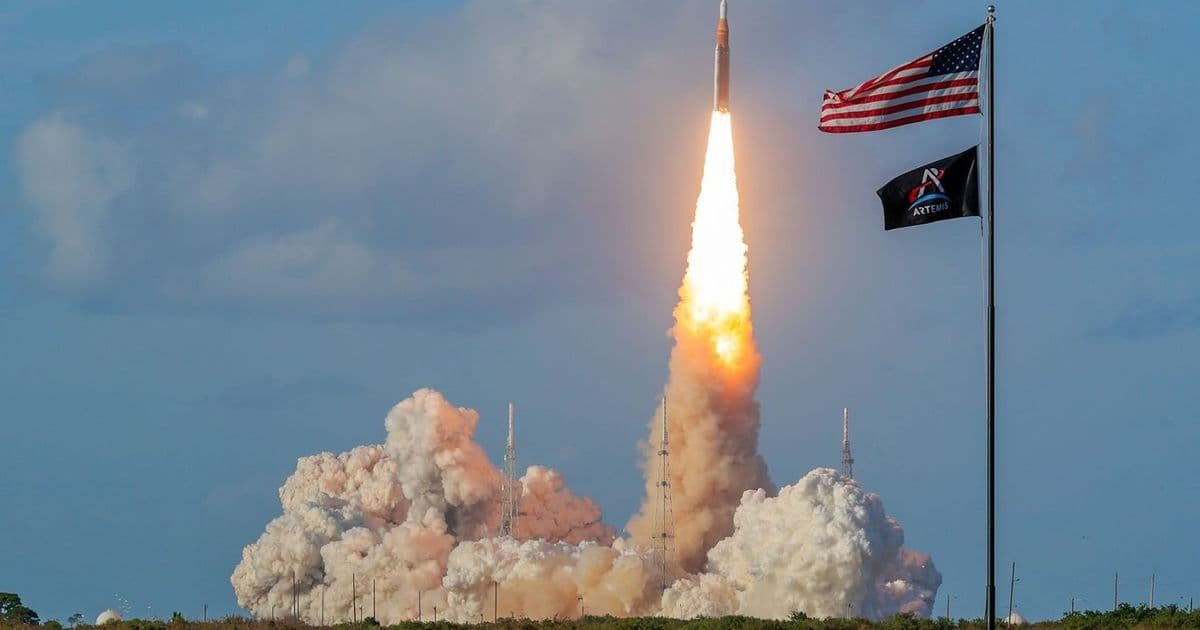
NASA's Artemis II mission successfully launched from Kennedy Space Center, marking the first crewed lunar mission in over 50 years and setting the stage for future Moon landings and Mars exploration.
NASA's Artemis II mission successfully launched from Kennedy Space Center in Cape Canaveral, Florida, on Wednesday, marking a historic return to deep space exploration. The Space Launch System (SLS) rocket, carrying the Orion spacecraft with its four-person crew, lifted off from Launch Complex 39B in a spectacular display of engineering prowess and human ambition.
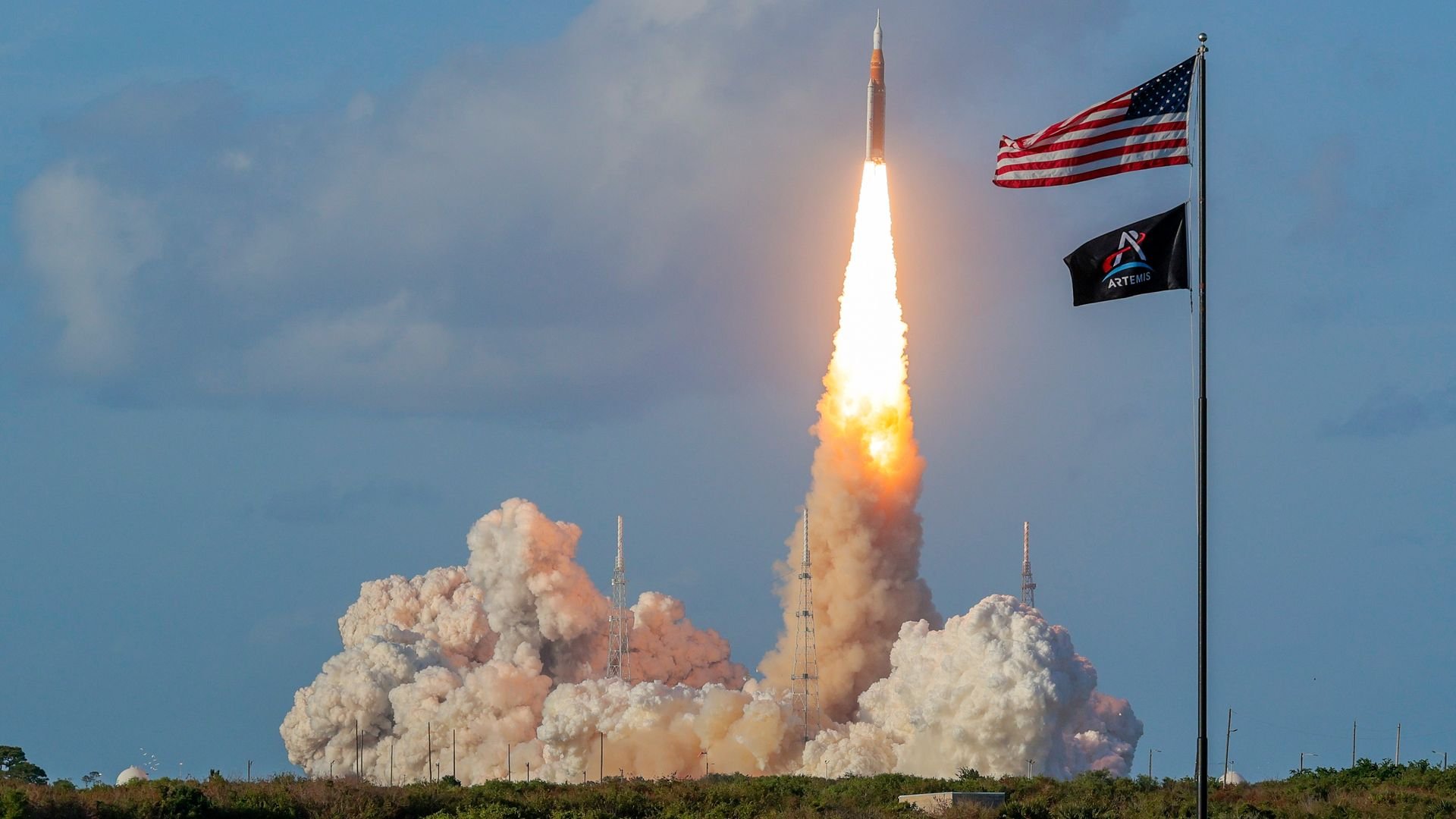
The launch represents the first crewed mission to the Moon since the final Apollo flight in 1972, ending a half-century hiatus in human lunar exploration. The Artemis program aims to establish a sustainable presence on the Moon and serve as a stepping stone for future Mars missions.
Mission Objectives and Crew
The Artemis II crew consists of NASA astronauts Reid Wiseman (commander), Victor Glover (pilot), and Christina Koch (mission specialist), along with Canadian Space Agency astronaut Jeremy Hansen (mission specialist). This diverse team will spend approximately 10 days in space, testing critical systems and procedures needed for future lunar landings.
During their mission, the crew will travel approximately 230,000 miles from Earth, conducting extensive tests of Orion's life support systems, navigation capabilities, and communication equipment. The spacecraft will perform a flyby of the Moon, coming within 4,600 miles of the lunar surface before returning to Earth.
Technical Achievement
The Space Launch System represents the most powerful rocket ever built, generating 8.8 million pounds of thrust at liftoff. Standing 322 feet tall, the SLS consists of a core stage powered by four RS-25 engines and two solid rocket boosters. The rocket's upper stage, powered by the RL10 engine, will propel Orion toward the Moon.
Orion, the crew capsule, measures 16.5 feet in diameter and can support up to four astronauts for missions lasting up to 21 days. The spacecraft features advanced heat shield technology capable of withstanding temperatures up to 5,000 degrees Fahrenheit during re-entry.
Strategic Importance
The Artemis program represents a significant shift in NASA's approach to space exploration. Unlike the Apollo missions, which focused on short-term scientific objectives, Artemis aims to establish a long-term presence on the Moon through the Lunar Gateway space station and sustainable surface operations.
NASA Administrator Bill Nelson emphasized the program's broader implications: "Artemis II is more than just a mission to the Moon. It's about demonstrating our commitment to deep space exploration and inspiring the next generation of scientists, engineers, and explorers."
International Collaboration
The Artemis program involves partnerships with multiple international space agencies, including the European Space Agency, Japan Aerospace Exploration Agency, and Canadian Space Agency. These collaborations reflect the increasingly global nature of space exploration and share the substantial costs and technical challenges involved.
Economic Impact
The Artemis program has generated significant economic activity across the United States, supporting thousands of jobs in multiple states. Major contractors include Boeing (SLS core stage), Lockheed Martin (Orion spacecraft), Northrop Grumman (solid rocket boosters), and Aerojet Rocketdyne (RS-25 engines).
Future Missions
Artemis II serves as a critical precursor to Artemis III, planned for 2026, which aims to land astronauts near the Moon's south pole. This region is of particular interest due to the presence of water ice in permanently shadowed craters, which could support future lunar bases and be converted into rocket fuel.
The success of Artemis II will validate the systems and procedures needed for these more ambitious missions, including the development of lunar landers and surface habitats.
Scientific Objectives
Beyond its engineering goals, Artemis II will conduct various scientific experiments, including studies of the effects of deep space radiation on the human body and tests of new materials and technologies in the space environment.
Public Engagement
The mission has generated significant public interest, with millions watching the launch live and following the crew's progress through various media channels. NASA has emphasized the importance of public engagement in maintaining support for the program's substantial costs.
Challenges and Considerations
The Artemis program faces several challenges, including technical hurdles, budget constraints, and the need to maintain public and political support over multiple administrations. The program's total cost is estimated at $93 billion through 2025, raising questions about its sustainability and value.
Historical Context
The launch of Artemis II comes at a time of renewed interest in lunar exploration, with multiple nations and private companies developing their own Moon programs. China has announced plans for a lunar research station, while private companies like SpaceX are developing their own lunar landers and spacecraft.
Looking Forward
As the Orion spacecraft begins its journey toward the Moon, the success of Artemis II will be closely watched by the global space community. The mission represents not just a technical achievement but a statement of intent about humanity's future in space.
The crew's safe return will pave the way for more ambitious missions, potentially including the establishment of permanent lunar bases and the eventual journey to Mars. As NASA continues to push the boundaries of human exploration, Artemis II stands as a testament to what can be achieved through determination, innovation, and international cooperation.
Comments
Please log in or register to join the discussion