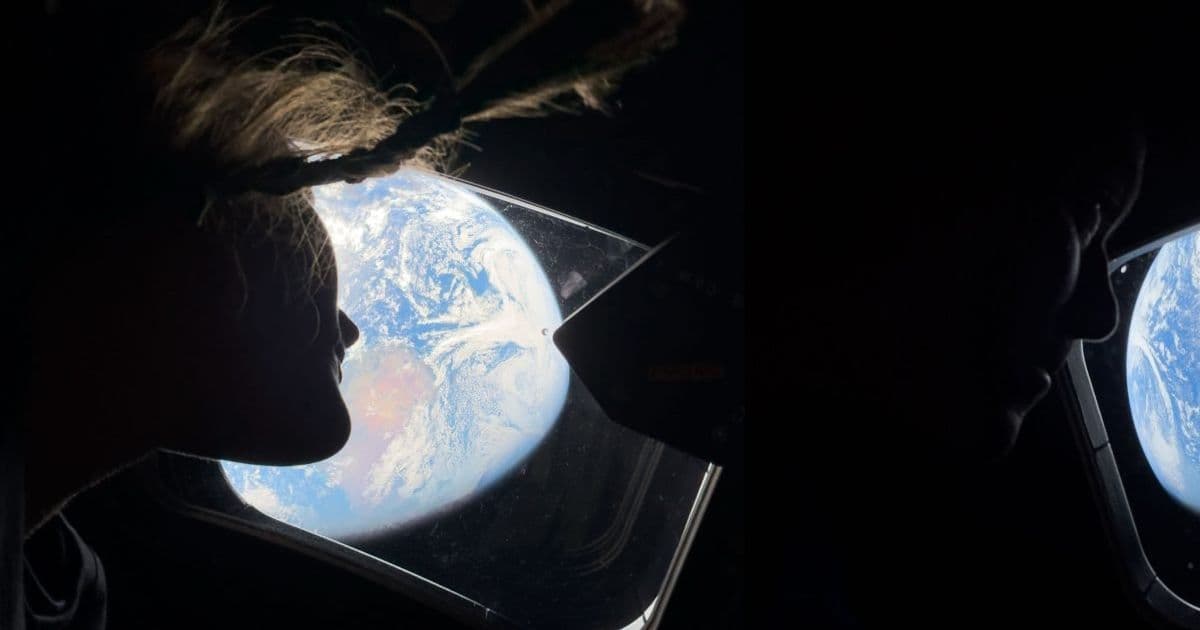
NASA astronauts aboard the Artemis II mission are capturing stunning images of Earth using iPhone 17 Pro Max devices, marking an unexpected real-world test of Apple's flagship smartphone in space.
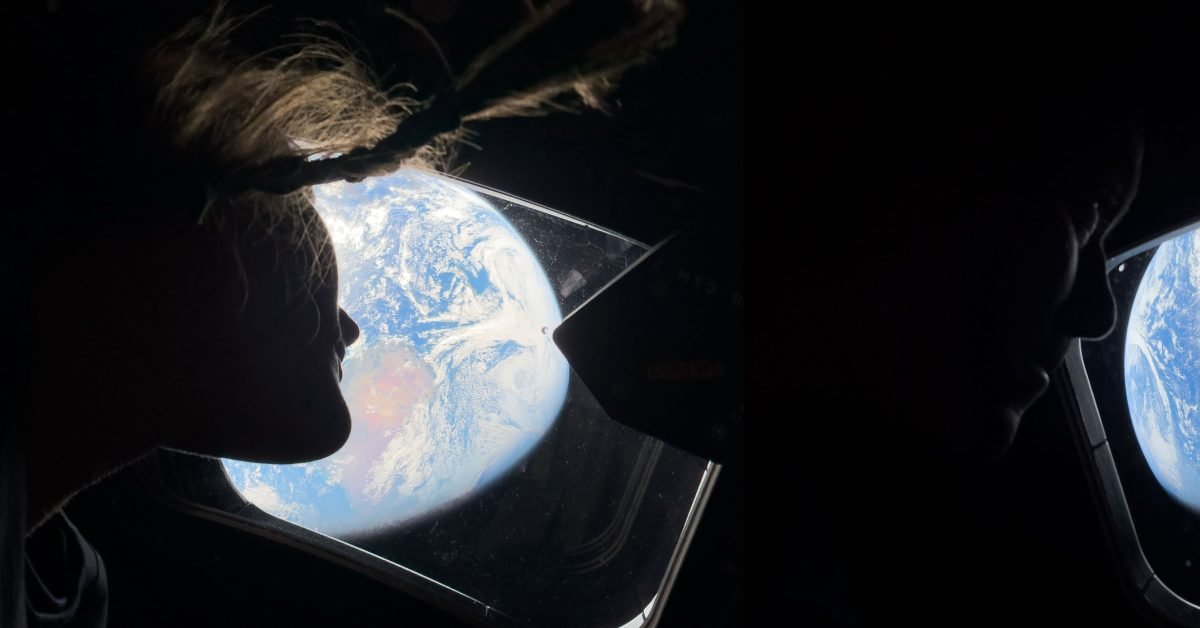
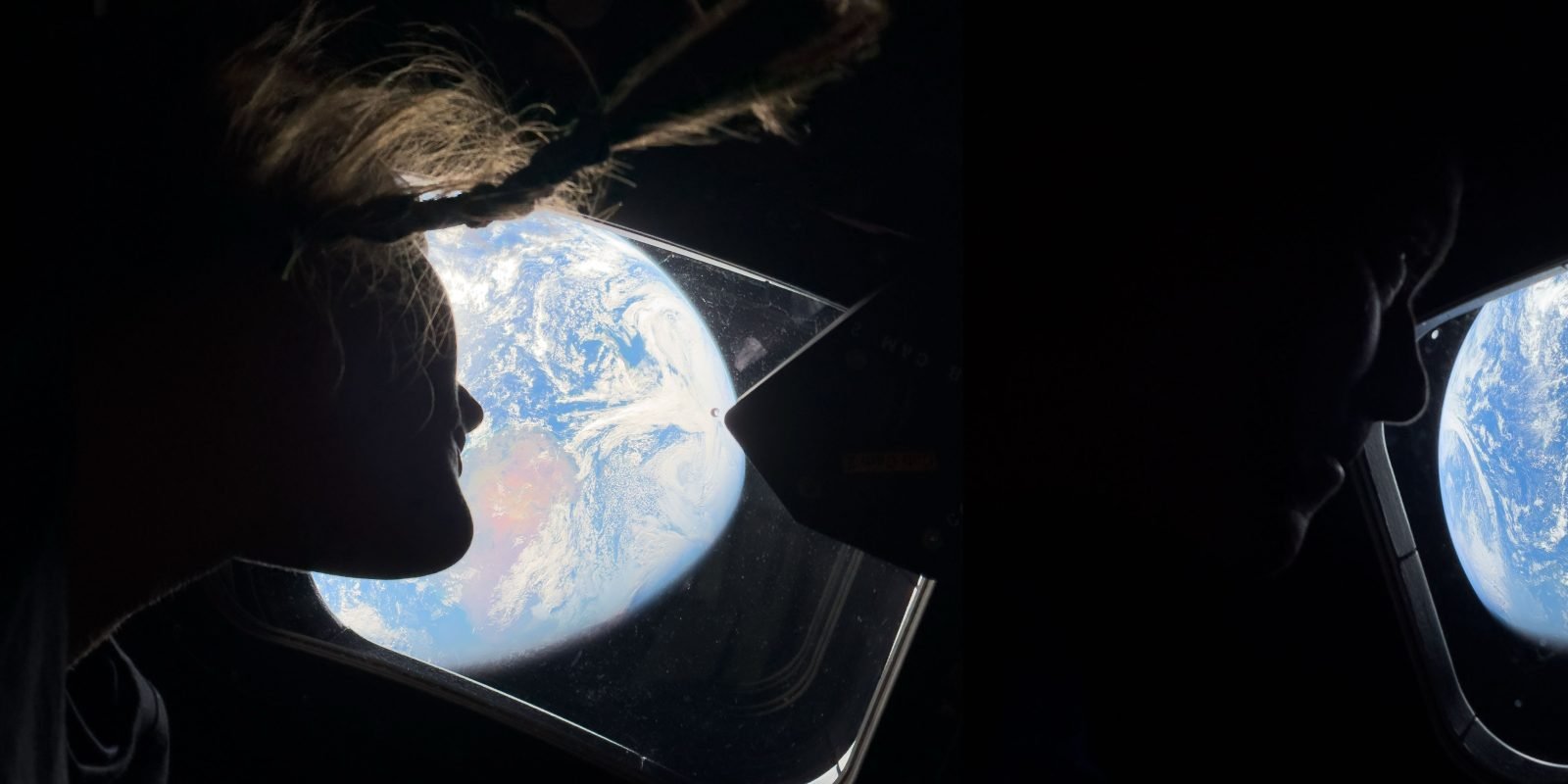
The next Apple Shot on iPhone ad campaign is writing itself: the four NASA astronauts currently on the Artemis II mission are taking stunning shots of Earth, using iPhone 17 Pro Max. As confirmed on NASA's official Flickr page, three of the published shots were taken on iPhone. The images show Earth through the window of the Orion spaceship's capsule.
While many of the famous shots already published from this mission were taken using the Nikon D5, the NASA Flickr account confirmed the new batch were taken from the iPhone: Credit: NASA
The above is one of those iPhone captures, depicting astronaut Christina Koch as she looks out of the Orion's main cabin window, showing the illuminated Earth. You can follow the live progress of the Artemis mission on NASA's website. Later today, the ship will orbit around the far side of the Moon, setting a record for the longest distance a human has ever travelled in space.
This unexpected use of consumer technology in space represents a fascinating intersection of commercial mobile devices and space exploration. The iPhone 17 Pro Max, Apple's latest flagship smartphone, is proving capable of capturing professional-grade imagery from the unique vantage point of lunar orbit.
Interestingly, Apple wasn't formally involved in the approval process to get iPhones on the spacecraft. Each astronaut was equipped with a silver iPhone 17 Pro Max in their suits, and the crew also has GoPro Hero 11 and Nikon D5 cameras available to use. This suggests NASA's confidence in the device's capabilities extends beyond typical consumer applications.
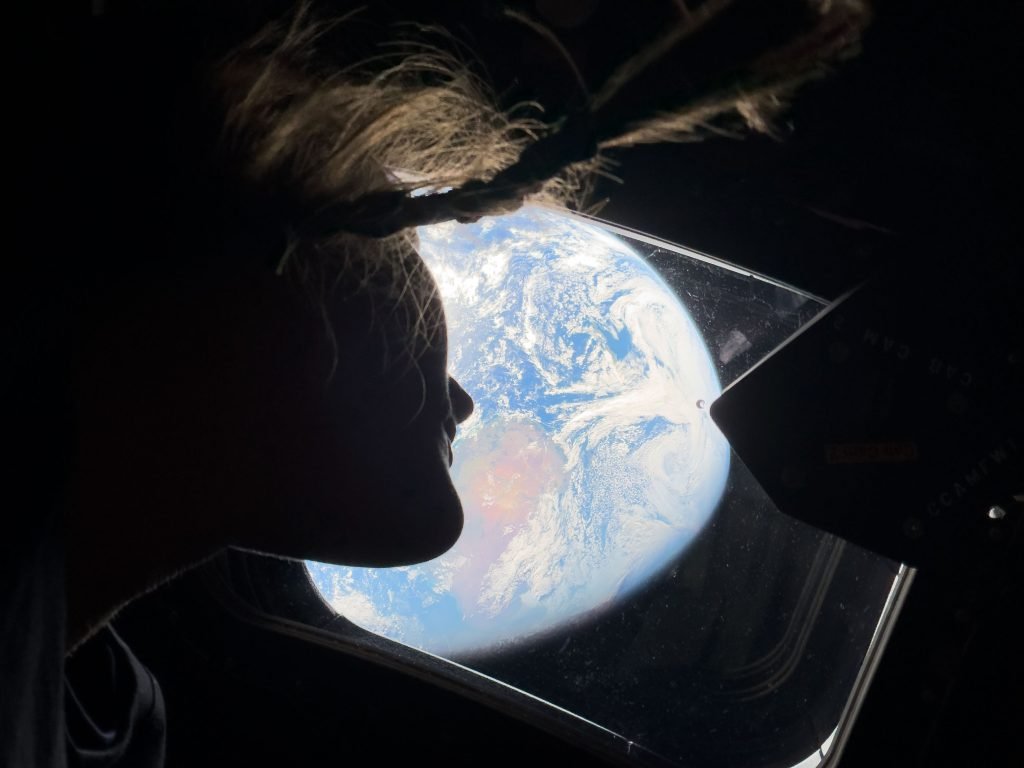
The images captured demonstrate remarkable clarity and color reproduction considering the challenging conditions. The iPhone's computational photography capabilities, which typically excel in everyday scenarios, appear to be holding up well in the extreme environment of space. The device must contend with intense radiation, extreme temperature variations, and the unique lighting conditions of viewing Earth from orbit.
This isn't the first time iPhones have made their way to space. In 2011, two iPhone 4 devices were sent to the International Space Station as part of an experiment to test their utility as low-cost satellites. However, the Artemis II mission represents a much more demanding environment and a higher-profile application of Apple's technology.
The implications for mobile photography are significant. If an iPhone 17 Pro Max can capture publishable images from lunar orbit, it suggests the device's camera system is approaching or exceeding the capabilities needed for professional space photography. This could influence future mission planning, where weight and space are at a premium, making consumer devices an attractive alternative to specialized equipment.
For Apple, this represents extraordinary publicity, though likely unplanned. The "Shot on iPhone" campaign has featured impressive terrestrial photography, but images from space represent an entirely new level of demonstration for the device's capabilities. The silver colorway of the devices used also adds a distinctive aesthetic that aligns well with the space theme.
The Artemis II mission, while not landing on the Moon, is a critical step in NASA's return to lunar exploration. The crew's use of iPhones adds an element of accessibility to the mission, connecting everyday technology with cutting-edge space exploration. It's a reminder that the devices we carry in our pockets contain remarkable technology capable of extraordinary feats.
As the mission continues and the Orion spacecraft prepares to orbit the far side of the Moon, we can expect more images to emerge. Whether future missions will continue to include iPhones remains to be seen, but this mission has certainly demonstrated their potential as viable tools for space photography. For developers and photographers alike, it's a testament to how far mobile photography has come and a glimpse into how consumer technology continues to push boundaries in unexpected ways.
Comments
Please log in or register to join the discussion