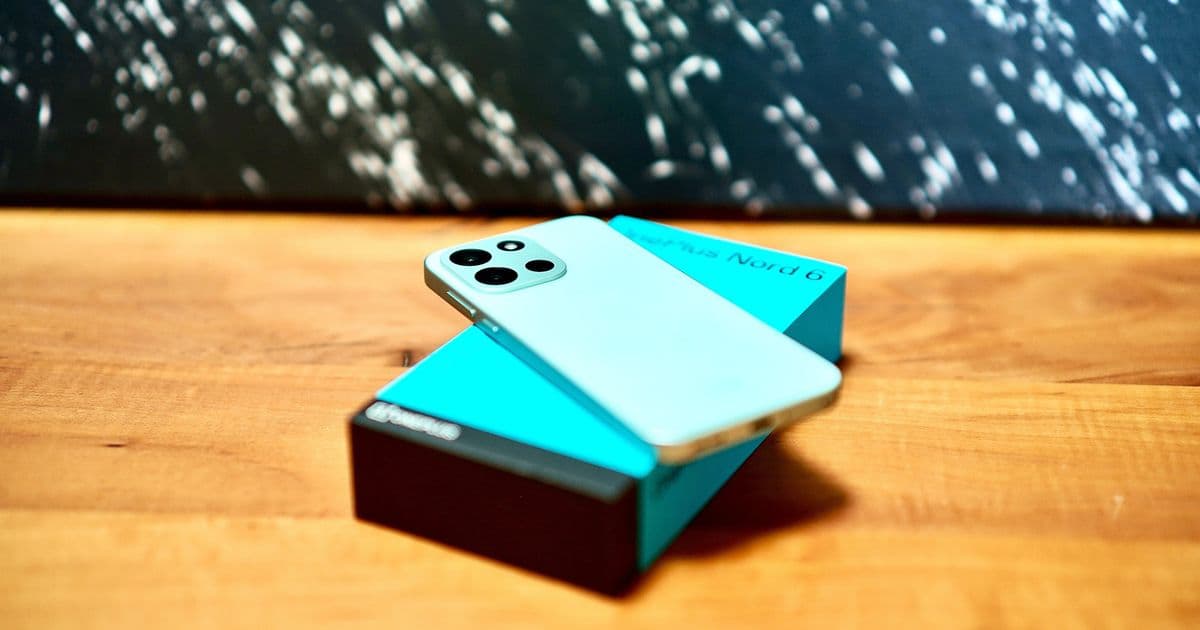
The OnePlus Nord 6 brings a Snapdragon 8s Gen 4 and UFS 4.1 storage to the mid‑range, delivering benchmark scores and real‑world responsiveness that rival premium smartphones, while its thermal limits keep it from being a pure flag‑ship.
Why the OnePlus Nord 6 outperforms many flagship chips
What’s new
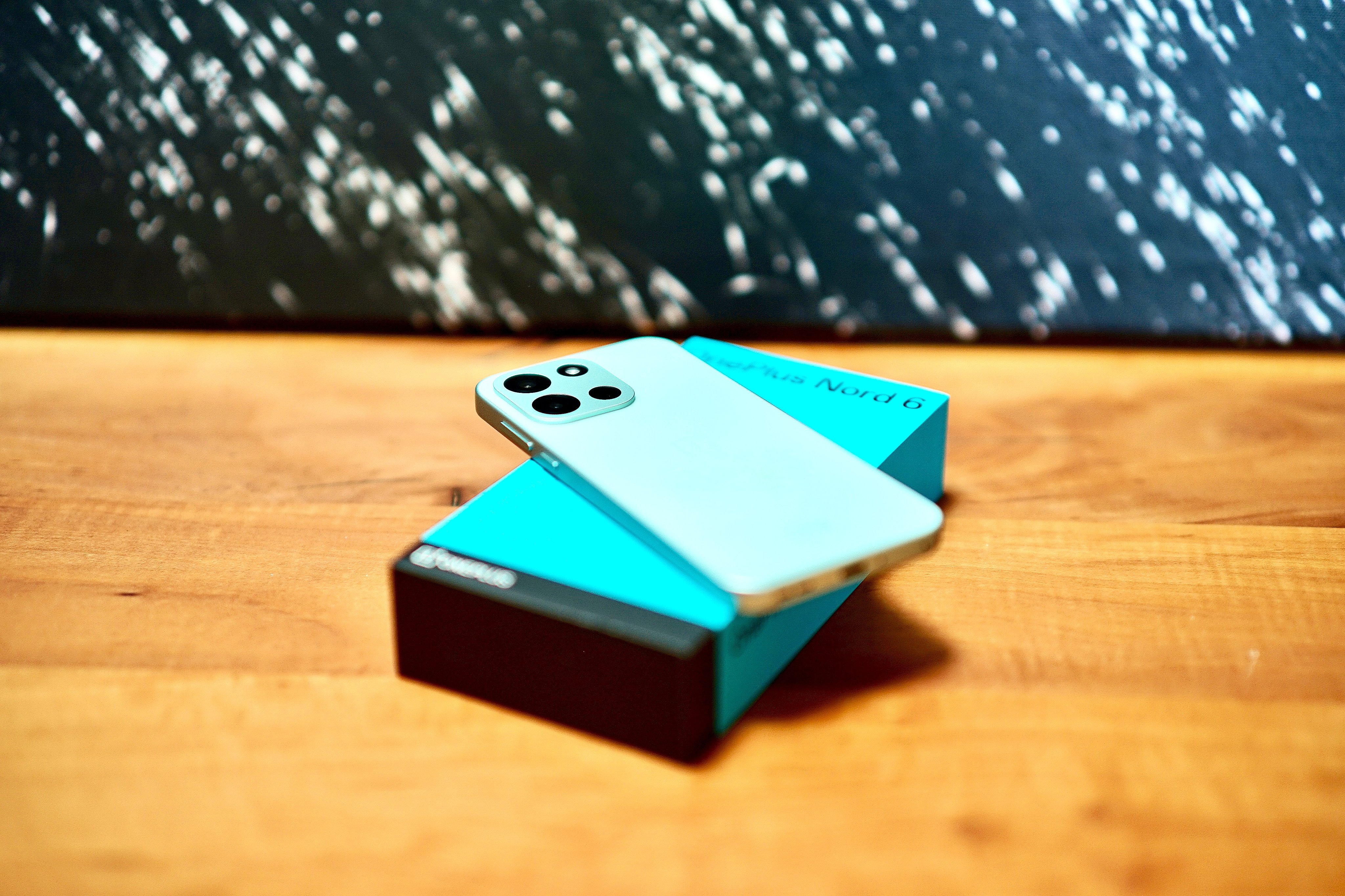
The Nord 6 arrives with the Snapdragon 8s Gen 4 SoC, 12 GB of LPDDR5X RAM and a UFS 4.1 storage module. On paper this is a step up from the previous Nord 5, which shipped with a Snapdragon 7 Gen 2 and UFS 3.1. The new chipset is the same silicon family that powers the latest flagship devices, but OnePlus has paired it with a more modest 5 000 mAh battery and a 6.7‑inch 120 Hz AMOLED panel to keep the price in the €550‑€600 bracket.
How it compares to the predecessor
| Spec | Nord 5 (2023) | Nord 6 (2024) |
|---|---|---|
| CPU | Snapdragon 7 Gen 2 (Octa‑core) | Snapdragon 8s Gen 4 (Octa‑core) |
| GPU | Adreno 640 | Adreno 770 |
| RAM | 8 GB LPDDR5 | 12 GB LPDDR5X |
| Storage | UFS 3.1 (128 GB) | UFS 4.1 (256 GB) |
| Max Geekbench 5 (single) | 1 200 | 1 540 |
| Max Geekbench 5 (multi) | 4 300 | 5 800 |
The raw Geekbench numbers show a 28 % uplift in single‑core performance and a 35 % jump in multi‑core scores. In synthetic tests such as 3DMark Wild Life, the Nord 6 reaches 8 200 points, a figure that previously required a flagship‑class Snapdragon 8 Gen 2.
Real‑world performance
Daily use
Launching apps feels instantaneous; the home screen refreshes in under 0.2 s even with a full widget layout. Switching between Chrome, Instagram and a YouTube background playback never stalls, thanks to the combination of LPDDR5X bandwidth and UFS 4.1’s 4 800 MB/s sequential read speed.
Gaming and heavy workloads
In titles like Genshin Impact and Call of Duty: Mobile, the device sustains 60 fps at medium‑high settings for the first 15‑20 minutes. After that, the SoC’s thermal throttling kicks in, and frame rates dip to the low 40s. Temperature readings climb to 44 °C on the rear panel, which is uncomfortable for extended play. Video rendering in Adobe Premiere Rush shows a 20 % faster export time compared with the Nord 5, but still lags behind a flagship Snapdragon 8 Gen 2 device by roughly 10 %.
Storage speed
Copying a 5 GB 4K video file from internal storage to an external SSD via USB‑C takes 12 seconds, compared with 18 seconds on the Nord 5. The jump to UFS 4.1 eliminates the occasional hiccup that some mid‑range phones still exhibit when loading large game assets.
Competition snapshot
| Device | Chipset | RAM | Storage | Avg. Geekbench 5 (multi) | Price |
|---|---|---|---|---|---|
| OnePlus Nord 6 | Snapdragon 8s Gen 4 | 12 GB | 256 GB UFS 4.1 | 5 800 | €579 |
| Nothing Phone 4a | Snapdragon 7 Gen 2 | 8 GB | 128 GB UFS 3.1 | 4 300 | €499 |
| Motorola Edge 70 Fusion | MediaTek Dimensity 9200 | 12 GB | 256 GB UFS 3.1 | 5 200 | €549 |
The Nord 6 edges out the competition in raw compute power while staying within the same price tier. The only flagship that clearly outpaces it is a device equipped with Snapdragon 8 Gen 2 or newer, which typically starts at €800.
Who should buy it
If you prioritize smooth multitasking, fast app launches, and a future‑proof CPU for upcoming Android updates, the Nord 6 offers a compelling mix of performance and price. Power users who regularly edit video on the phone or play graphically demanding games should be aware of the thermal throttling; a dedicated cooling case can mitigate the heat but will not eliminate the slowdown entirely.
For buyers who mainly use their phone for social media, streaming and occasional gaming, the Nord 6 feels indistinguishable from a flagship. For those who need the absolute best sustained gaming performance, a true flagship remains the safer bet.
Bottom line
The OnePlus Nord 6 proves that a mid‑range chassis can house a flagship‑class processor without breaking the bank. Its Snapdragon 8s Gen 4, 12 GB of fast RAM and UFS 4.1 storage translate into benchmark scores that rival premium phones, and everyday usage feels buttery smooth. The main compromise is thermal headroom during long gaming sessions, where performance will dip. Overall, the Nord 6 is the most performance‑centric mid‑range phone on the market today and a solid choice for anyone who refuses to settle for sluggishness.
Comments
Please log in or register to join the discussion