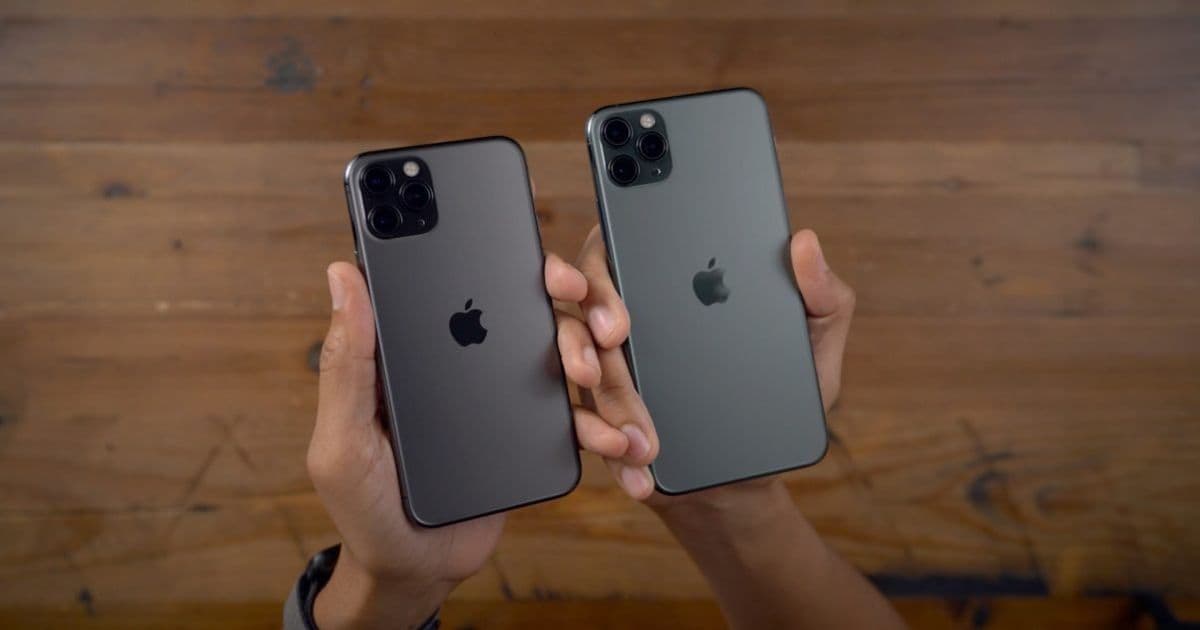
Rumors suggest Apple's upcoming iOS 27 update will require iPhone 12 or newer devices, potentially ending support for the iPhone 11 line and second-generation iPhone SE, continuing a pattern of phasing out older hardware for major new features.
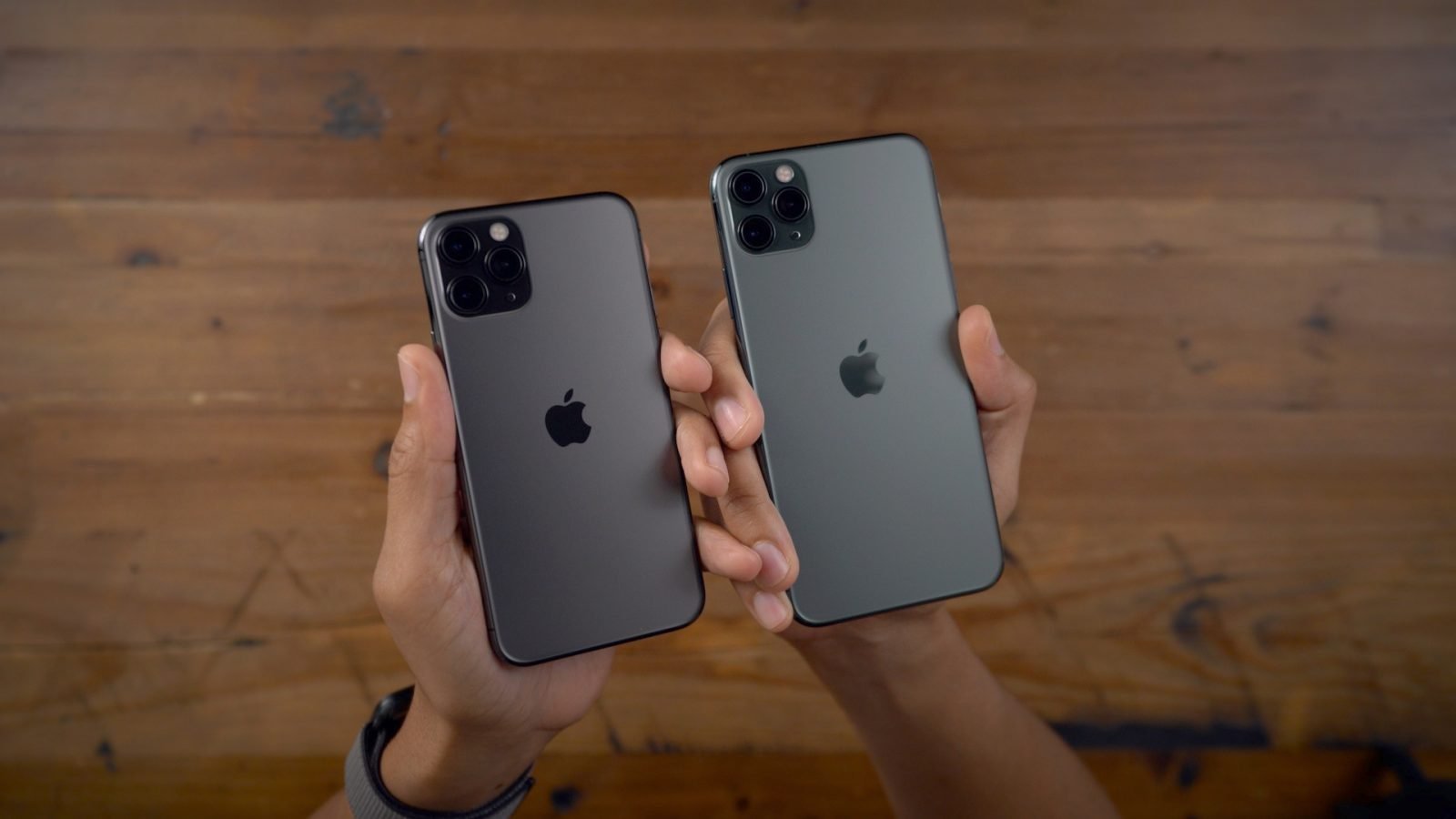
Apple's upcoming iOS 27 update, expected to be unveiled at WWDC on June 8, may bring significant changes to device compatibility, with recent leaks suggesting that four iPhone models currently supporting iOS 26 could be left behind. According to Weibo leaker Instant Digital, iOS 27 will require an iPhone 12 or later, potentially dropping support for the iPhone 11, iPhone 11 Pro, iPhone 11 Pro Max, and the second-generation iPhone SE.
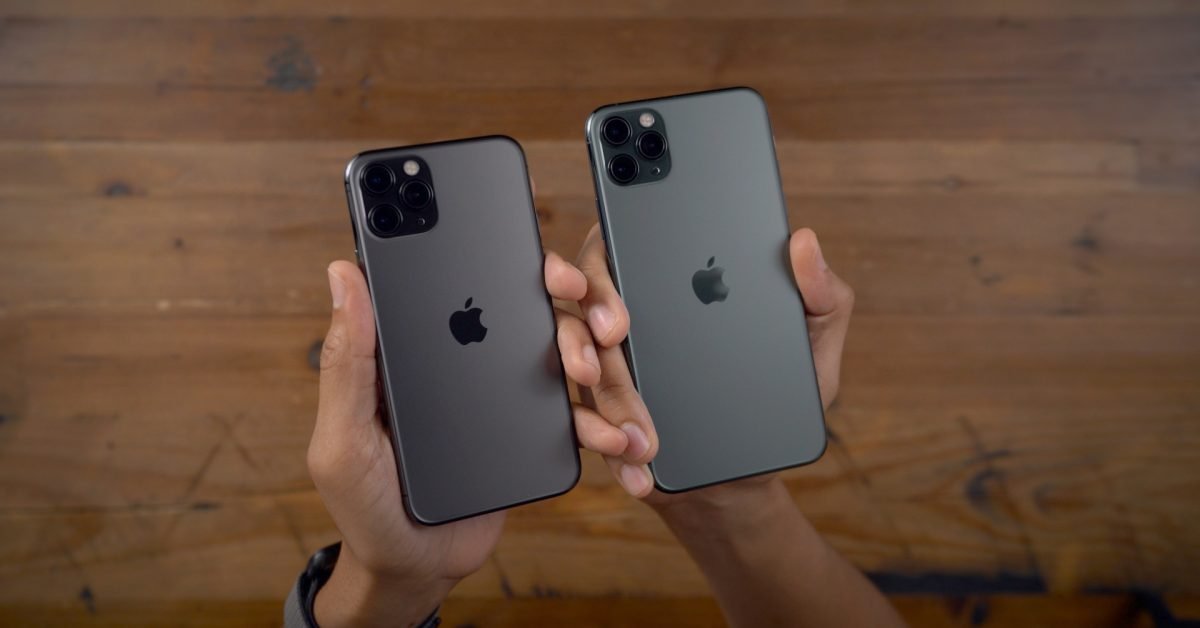
If these rumors prove accurate, it would mark the second consecutive year that Apple has discontinued support for multiple iPhone models in its major iOS update. Last year, the iPhone XS, iPhone XS Max, and iPhone XR were excluded from iOS 26 support. This pattern suggests Apple is becoming more aggressive about phasing out older hardware to focus resources on newer devices and their advanced capabilities.
The potential compatibility requirements for iOS 27 would represent a significant shift from iOS 26, which currently supports devices as far back as the iPhone 8 and iPhone X, along with the second-generation iPhone SE. For users of these older devices, the transition would mean they would remain on iOS 26, which would continue to receive security updates but miss out on new features and improvements.
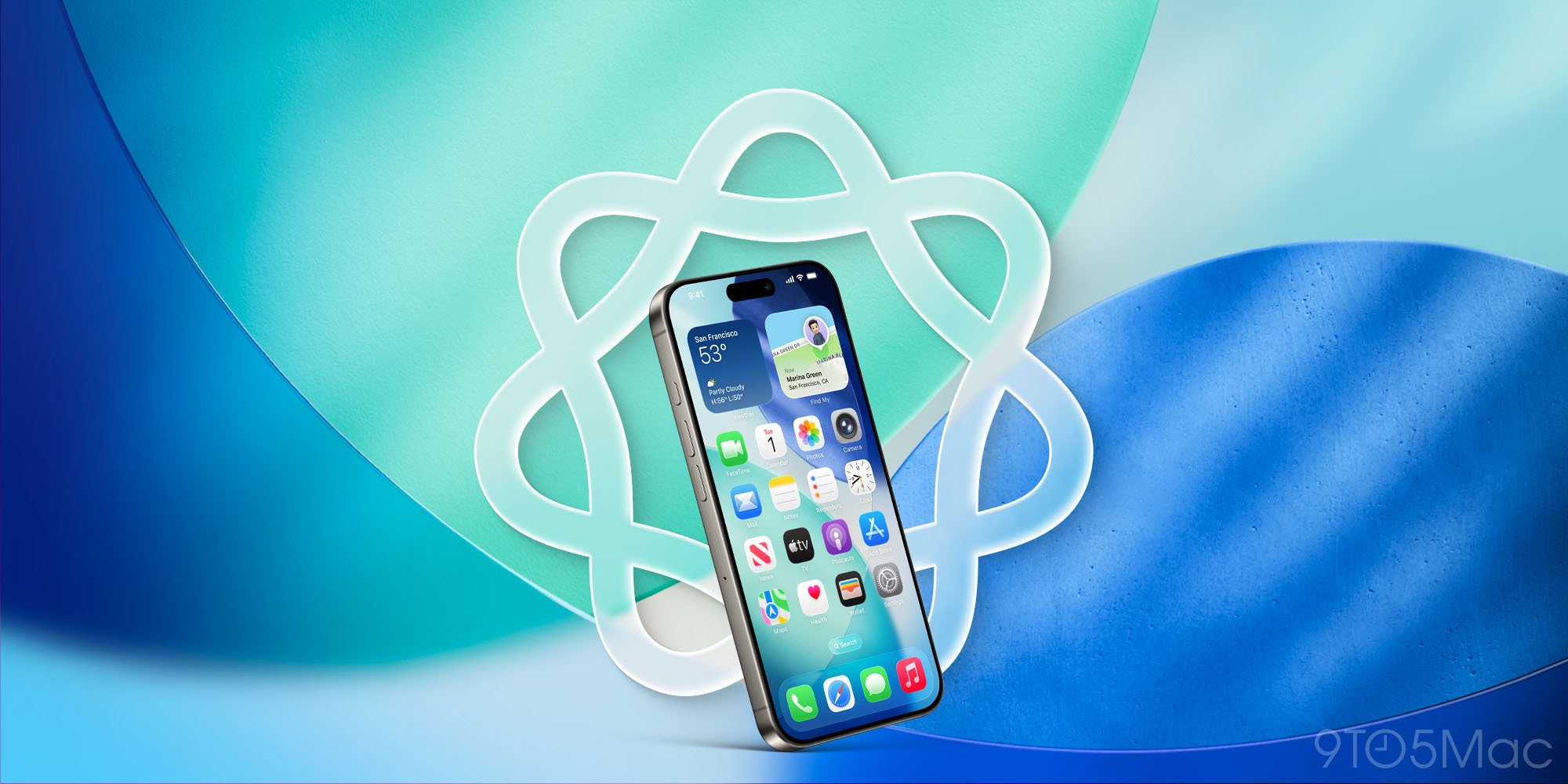
Interestingly, even if some iPhone models can run iOS 27, they may not support all of its tentpole features. Many of iOS 27's most anticipated updates are expected to involve Apple Intelligence, which reportedly requires iPhone 15 Pro or later models. This creates a tiered experience where users with newer devices get access to the full feature set, while those with older compatible hardware might receive only a subset of improvements.
This approach to software support reflects Apple's broader ecosystem strategy. By gradually phasing out older devices, Apple can focus development on hardware that can fully leverage new technologies. The company typically supports devices for approximately 5-6 years with major iOS updates, though this timeframe has been decreasing in recent years as features become more demanding. For more information about Apple's support policy, you can check Apple's official support page.
For consumers, this raises important considerations about device longevity and the total cost of ownership. iPhone 11 series devices, released in 2019, would be about 7 years old when iOS 27 launches, which aligns with Apple's typical support cycle but represents a shorter period than some Android manufacturers offer. Users who prefer to keep devices longer may need to consider whether to upgrade to maintain access to the latest features and security updates.
The potential exclusion of the second-generation iPhone SE is particularly noteworthy as it was released in 2020 and uses the A13 Bionic chip, the same as the iPhone 11. If Apple requires iPhone 12 or newer for iOS 27, it suggests the company is prioritizing devices with its newer A-series chips and potentially more advanced hardware capabilities.
Apple's decision to drop support for certain models also has implications for the company's environmental goals. By encouraging users to upgrade more frequently, Apple may be contradicting its own sustainability initiatives. However, the company argues that supporting older devices longer can sometimes hinder innovation, as developers must account for limited hardware capabilities.
As we approach WWDC, Apple has not officially confirmed these compatibility requirements. The company typically announces supported devices during the keynote presentation, so we'll need to wait until June 8 for definitive information. You can learn more about WWDC 2026 for the latest updates. In the meantime, users of older iPhone models should consider whether to upgrade if they want to ensure access to the latest iOS features and security updates.
For those affected by potential compatibility changes, Apple will continue to provide iOS 26 updates with bug fixes and security improvements after iOS 27 launches. While this means missing out on new features, it still ensures the devices remain secure and functional for everyday use.
The rumored changes to iOS 27 support highlight an important trend in the smartphone industry: the increasing gap between what older hardware can do and what users expect from their devices. As features like artificial intelligence, advanced photography capabilities, and augmented reality become more central to the mobile experience, manufacturers face difficult decisions about how long to support older devices.
For Apple, this balance is particularly important given its premium positioning and ecosystem lock-in strategy. The company wants to ensure that users on older devices still have a positive experience while also encouraging upgrades to newer hardware that can showcase the latest innovations. This approach helps maintain the perceived value of the Apple ecosystem while driving hardware sales. More information about Apple's upcoming features can be found on their official iOS page when it becomes available.
As iOS 27 approaches, users should stay informed about official compatibility announcements and consider their upgrade timeline based on their device's age, performance, and their need for the latest features. For many iPhone 11 users, this may be the time to consider upgrading to ensure they can take advantage of Apple's upcoming innovations, especially if they want to access Apple Intelligence features as detailed in Apple's announcement.
Comments
Please log in or register to join the discussion