Samsung's latest patent reveals a revolutionary smartphone concept with a rollable display and adaptive camera system, potentially expanding the boundaries of mobile device form factors.
Samsung is once again pushing the boundaries of smartphone innovation with a newly discovered patent that details a rollable phone featuring a movable camera module. After establishing itself as a leader in the foldable smartphone market, the South Korean tech giant appears to be exploring the next frontier in flexible display technology.
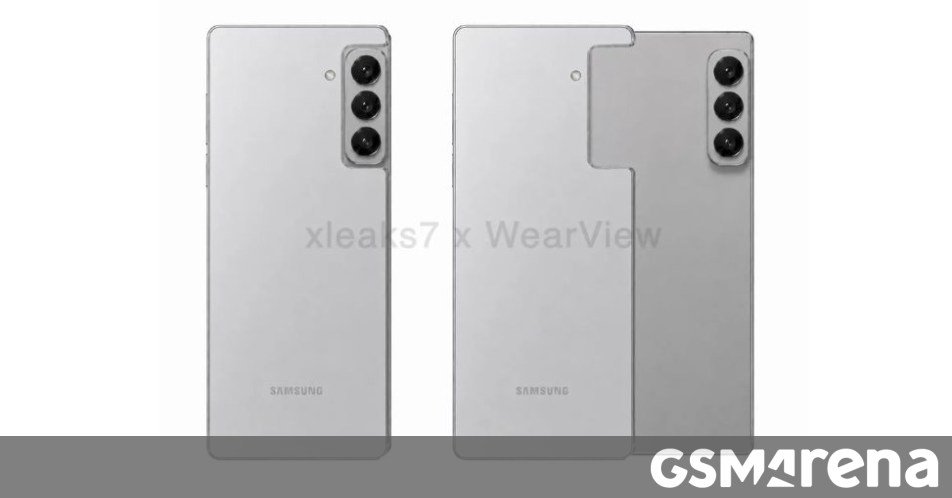
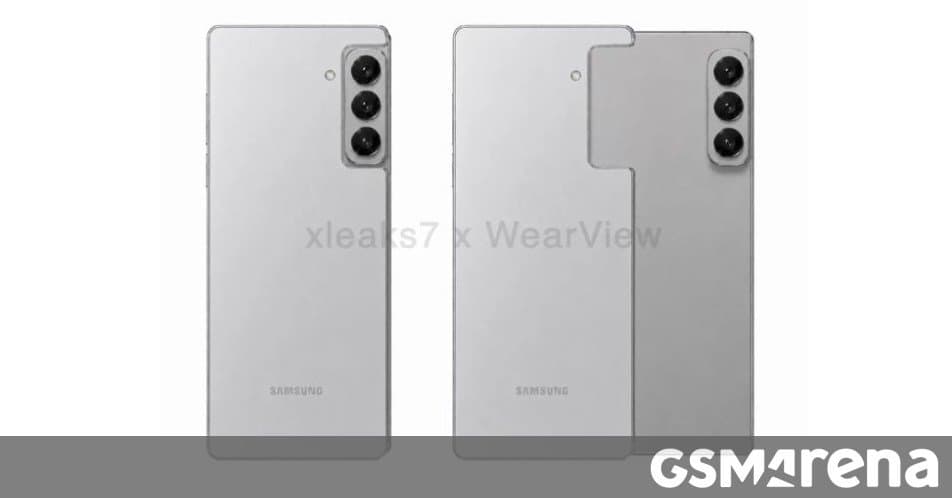
The patent, spotted by tech publication WearView, describes a device with a unique rollable screen that expands and contracts, accompanied by a rear camera module that moves in tandem with the display. This innovative approach addresses one of the key challenges with rollable devices: maintaining functionality as the form factor changes.
Based on the sketches included in the patent filing, the device features a cutout on the rear panel specifically designed to accommodate the camera module as it shifts position. When the display is fully retracted into the main chassis, the device closely resembles a conventional smartphone, similar in form to Samsung's flagship Galaxy S26 Ultra. However, when the screen is fully extended, the device transforms into a form factor more akin to the Galaxy Z Fold7, offering significantly more screen real estate.
What makes this concept particularly interesting is the sophisticated sensor system Samsung has envisioned. The patent mentions that the device would include multiple sensors capable of detecting changes in display size, shifts in camera and antenna positions, and other hardware adjustments that occur as the screen rolls out. This adaptive system would ensure that the device maintains optimal performance regardless of its current form factor.
Samsung's exploration of rollable technology isn't entirely new. The company showcased a 12.4-inch rollable OLED display prototype back in 2023, demonstrating its technical capabilities in this space. Additionally, Samsung had previously filed a patent in 2021 for a device featuring a display that could both roll and fold, indicating a sustained interest in developing beyond traditional smartphone form factors.
The patent also references similar concepts from other manufacturers, including Motorola's Moto Rizr rollable concept and Tecno's Phantom Ultimate concept. These devices explore similar territory but Samsung's implementation with the movable camera module represents a unique approach to solving the challenges of rollable form factors.
As with most patent filings, there is no guarantee that this concept will ever make it to market. Samsung files numerous patents each year, many of which never see commercialization. However, the consistent development of such innovative concepts suggests that Samsung is seriously considering the rollable form factor as a potential future direction for its smartphone lineup.
The potential benefits of a successfully implemented rollable smartphone are significant. Users could enjoy the portability of a standard phone when needed, then expand the display for tasks that benefit from more screen real estate, such as video watching, document editing, or gaming. This could represent a middle ground between traditional smartphones and tablets, offering the best of both worlds in a single device.
Samsung has been at the forefront of foldable technology since the introduction of the Galaxy Fold in 2019. The company's Galaxy Z series has evolved significantly, with each iteration improving upon the last in terms of durability, functionality, and user experience. If Samsung were to successfully commercialize a rollable device, it would likely build upon the lessons learned from its foldable lineup.
The technical challenges of creating a truly functional rollable smartphone are substantial. Durability is a primary concern, as repeated rolling and unrolling of the display could lead to wear and tear over time. Additionally, ensuring that internal components like the camera module, antennas, and battery can adapt to changing form factors presents significant engineering challenges.
Samsung's patent suggests that the company is thinking creatively about these challenges, with the movable camera module being one potential solution to maintaining photography capabilities regardless of the device's form factor. The sensor system mentioned in the patent would be crucial for maintaining connectivity and performance as the device changes shape.
While we may not see a commercial rollable Samsung smartphone in the immediate future, this patent demonstrates the company's commitment to exploring new form factors and pushing the boundaries of what's possible in mobile technology. As display technology continues to evolve, we can expect to see increasingly innovative approaches to smartphone design from manufacturers like Samsung.
For now, consumers can continue to enjoy Samsung's existing lineup of foldable devices, which have become increasingly refined and practical over the years. The Galaxy Z Fold6 and Z Flip6 represent the current state of foldable technology, offering unique form factors that have found their place in the market.
The rollable phone concept remains an exciting possibility for the future of mobile devices, with Samsung's latest patent adding another compelling vision to this emerging category. As technology advances and engineering challenges are overcome, we may one day see rollable smartphones become a practical reality for consumers.
Comments
Please log in or register to join the discussion