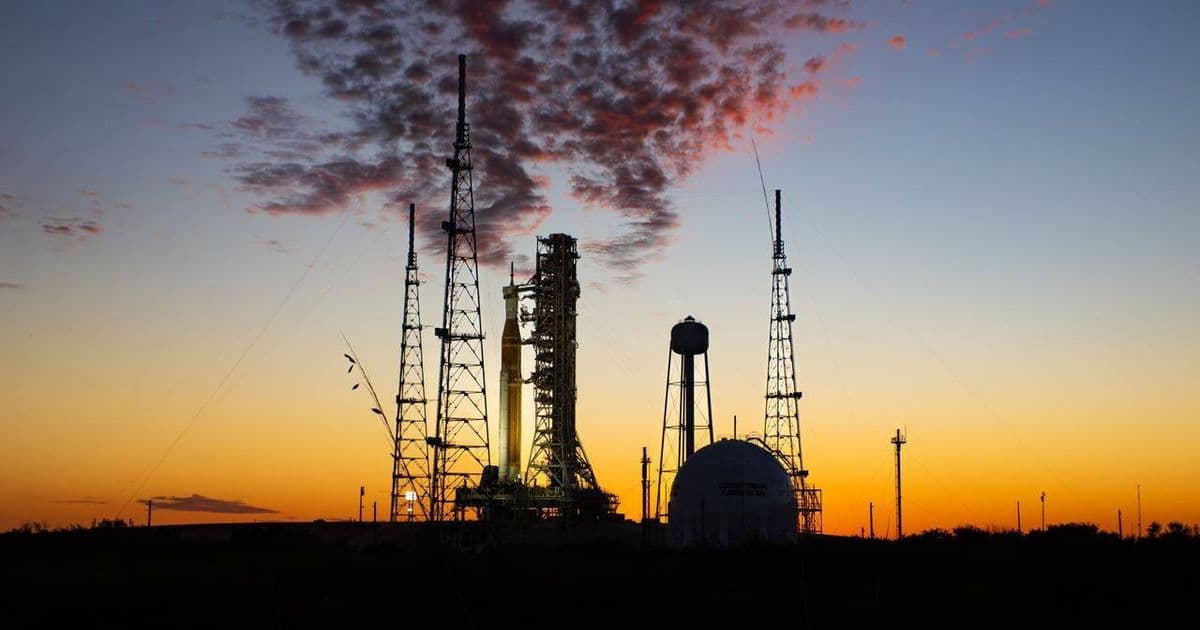
NASA's Artemis II mission faces another delay as recurring liquid hydrogen leaks during Wet Dress Rehearsal testing push the launch to at least March 2026, raising questions about the space agency's ability to resolve persistent technical challenges.
NASA has postponed the highly anticipated Artemis II mission to at least March 2026 after a Wet Dress Rehearsal (WDR) test was plagued by recurring liquid hydrogen leaks that forced engineers to halt the countdown prematurely. The delay comes as the space agency works to address the persistent technical challenges that have bedeviled the Space Launch System (SLS) rocket program.
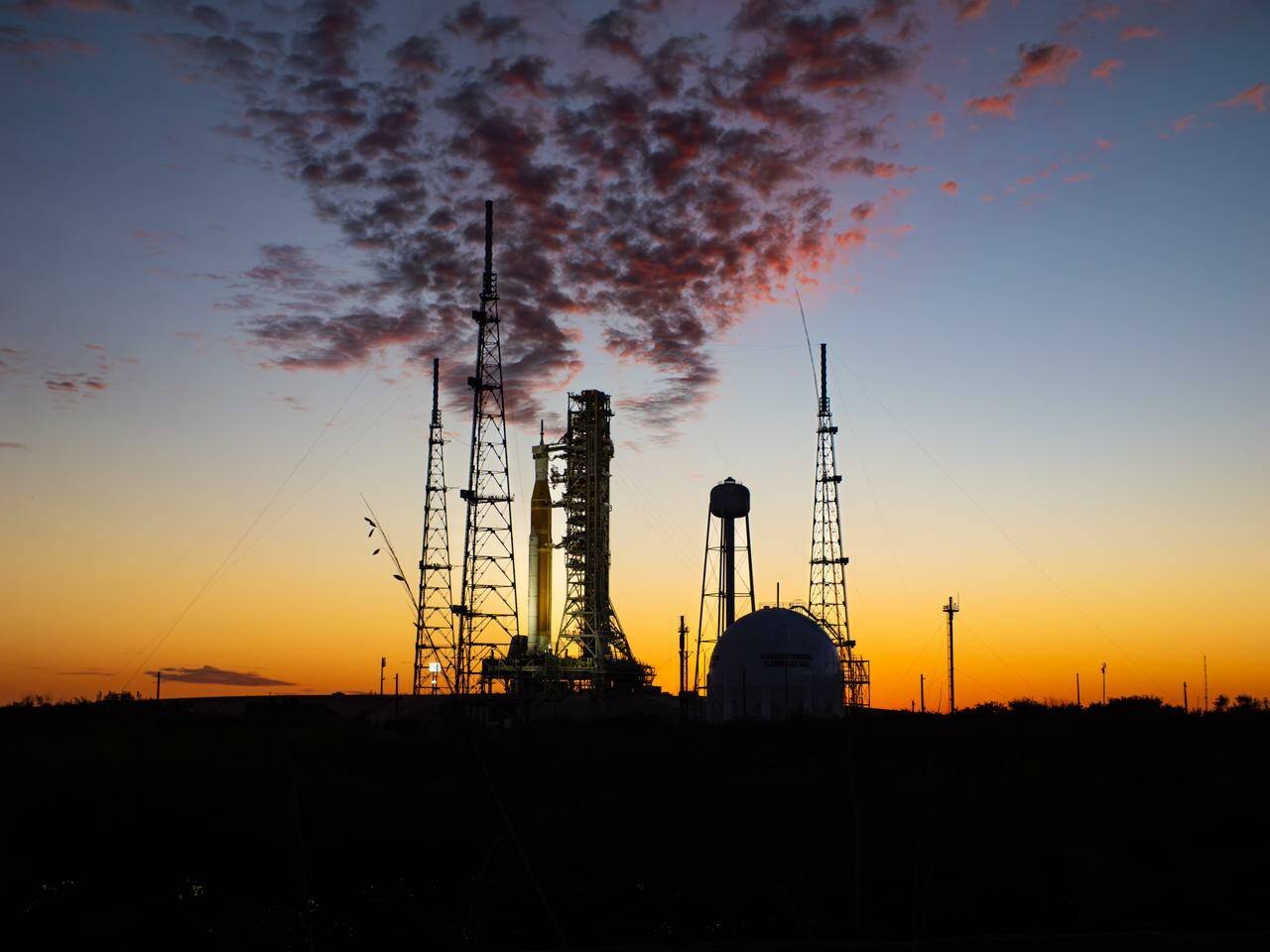
The WDR, conducted at Kennedy Space Center in Florida, was intended to simulate all the steps required for launch without actually sending the rocket skyward. While the team managed to fill the core stage and interim cryogenic propulsion stage tanks and progress to within five minutes of launch, a spike in the liquid hydrogen leak rate triggered an automatic shutdown of the countdown sequence.
"The biggest problem was a liquid hydrogen leak," NASA officials confirmed. "A leak in the interface that routes cryogenic propellant into the rocket's core stage delayed engineers as the team opted to stop the flow of liquid hydrogen in the hope that warming the interface would allow the seals to reseat."
The challenges didn't end there. Engineers also had to address a valve associated with the Orion crew module hatch that required retorquing, and communication dropouts that had been an ongoing issue in the weeks leading up to the WDR.
Liquid hydrogen presents unique handling challenges due to its extremely low temperature (-423°F) and its tendency to seep through even microscopic gaps in seals and joints. The fuel's small molecular size makes it particularly difficult to contain, and any leaks can be dangerous due to hydrogen's flammability.
This isn't the first time NASA has encountered hydrogen leak issues with the SLS program. The first Artemis launch in 2022 also suffered similar problems, forcing multiple launch attempts before a successful liftoff. The recurrence of these issues has drawn criticism from industry experts.
When approached for comment, a chemical engineer with extensive experience in cryogenics offered a pointed observation: "Repeating errors is generally frowned upon." After acknowledging the inherent difficulties of handling liquid hydrogen, the engineer added, "But then again, handling [liquid hydrogen] is hardly (ahem) rocket science. You'd think the post-launch review from three years ago might have led with: 'So, what can we improve on?' 'Well, it'd be good not to trash the launch tower each time...' 'Oh, and we should probably give that whole hydrogen pissing out all over the place issue a coat of looking at.'"
NASA has not yet determined whether the rocket will need to be rolled back to the Vehicle Assembly Building (VAB) for repairs or if the issues can be addressed at the launch pad. The agency has released the Artemis II crew from quarantine, which was originally scheduled to begin closer to the launch date.
The delay creates an interesting scheduling dynamic, as it potentially positions Artemis II's launch to coincide with SpaceX's next Starship test flight. This juxtaposition highlights the different approaches taken by NASA's traditional aerospace contractors and private space companies like SpaceX.
While NASA has only managed one successful SLS launch so far, the Artemis I mission to the Moon was considered a tremendous success, demonstrating the rocket's capability to send the Orion spacecraft on a lunar trajectory. In contrast, SpaceX's "move fast and break stuff" approach with Starship has yielded more frequent but patchier results, with several explosive test flights but also valuable data and incremental progress.
The recurrence of hydrogen leaks above acceptable levels will require thorough investigation and mitigation. This is precisely why the WDR exists – to identify and resolve issues before committing to an actual launch attempt. However, the persistence of these problems raises questions about the SLS program's readiness for the ambitious timeline of returning humans to the Moon.
As NASA works through these challenges, the space community will be watching closely to see whether the lessons from previous launches have been adequately incorporated into the design and operational procedures for Artemis II. The success of this mission is crucial not only for NASA's lunar ambitions but also for maintaining confidence in the SLS program as a cornerstone of American space exploration capabilities.
The delay to March 2026 provides NASA with additional time to address these technical challenges, but it also underscores the complexity and difficulty of human spaceflight. As the agency continues to push the boundaries of space exploration, the balance between innovation, safety, and reliability remains a critical consideration in the journey back to the Moon and beyond.
Comments
Please log in or register to join the discussion