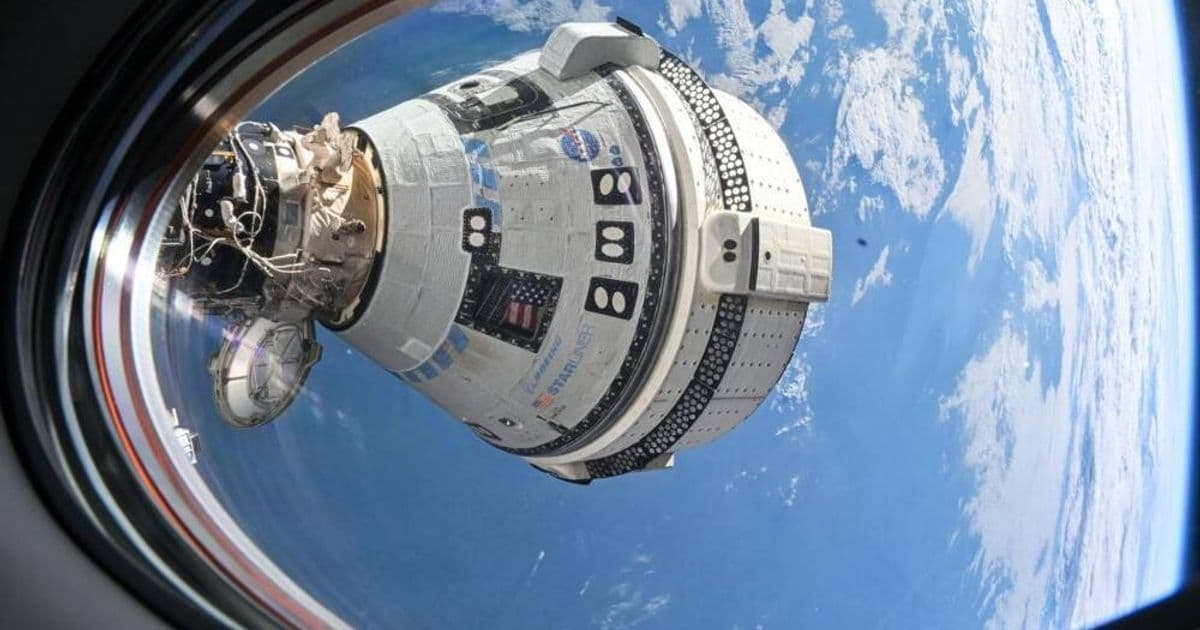
NASA's investigation into Boeing's Starliner mission failure identifies critical lapses in technical oversight and organizational culture, requiring immediate corrective actions from both NASA and Boeing.
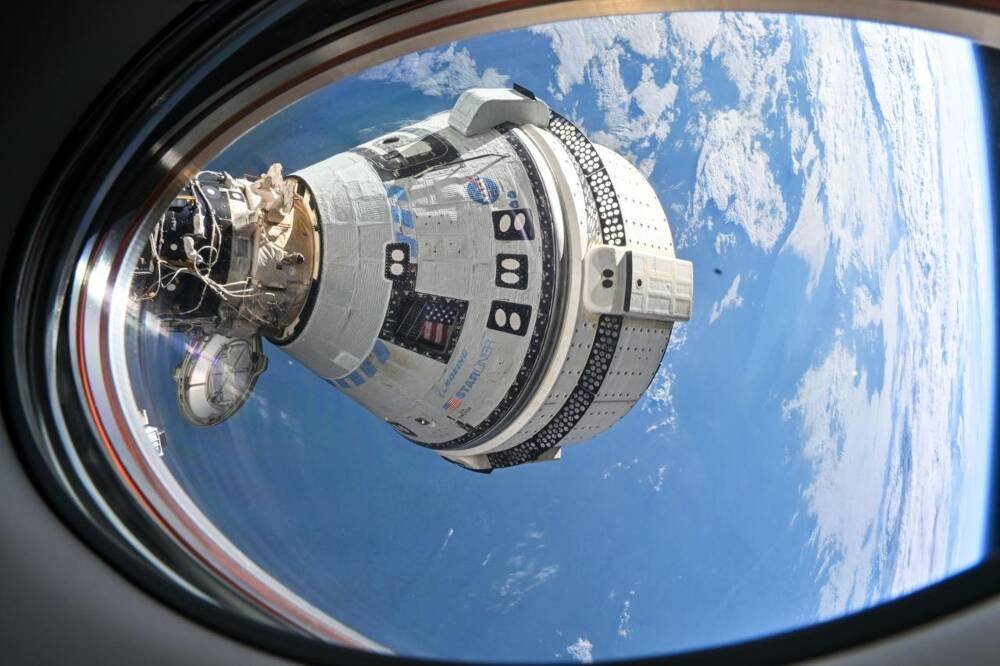
NASA has issued a comprehensive report detailing organizational and technical failures behind Boeing's troubled Starliner mission, formally classifying the 2024 incident as a Type-A mishap—the agency's most serious category. The 311-page analysis reveals systemic compliance breakdowns that nearly resulted in catastrophic consequences for astronauts Butch Wilmore and Suni Williams, who were stranded aboard the International Space Station for months.
According to the report released on February 19, 2026, NASA's Commercial Crew Program (CCP) failed to enforce fundamental safety protocols across three critical domains:
Technical Verification Gaps: Boeing conducted inadequate testing of Starliner's propulsion systems with insufficient telemetry rates and onboard data storage during prior orbital tests. This resulted in undiagnosed anomalies being accepted without root cause analysis—a direct violation of NASA's Technical Standard 8739.5 for propulsion system verification.
Oversight Mechanism Failures: NASA's traditional technical rigor was compromised by CCP's "shared accountability" model, which granted excessive autonomy to Boeing. The agency admitted lacking visibility into subcontractor-level data, preventing independent verification of system readiness. Schedule pressures further undermined mandatory risk reduction initiatives outlined in NPR 8715.3C.
Cultural Noncompliance: Both NASA and Boeing leadership were cited for "overly risk-tolerant" attitudes that dismissed dissenting technical opinions. The CCP prioritized Boeing's operational success over adherence to NASA's Safety Management System (SMS) requirements documented in NPR 8000.4.
NASA Administrator Jared Isaacman acknowledged institutional accountability: "We permitted programmatic objectives of maintaining dual crew providers to influence engineering decisions. Our inadequate application of insight processes—rooted in misplaced confidence in Boeing—directly enabled this mishap."
The corrective action timeline mandates:
- Immediate (0-30 days): Boeing must redesign propulsion test protocols to meet NASA-STD-7009 standards for anomaly detection and implement real-time telemetry enhancements.
- Medium-term (90 days): NASA will restructure CCP oversight authority to regain direct technical insight, including mandatory independent verification of subcontractor deliverables.
- Long-term (180+ days): Both organizations must complete cultural retraining on NASA's Safety Culture Policy (NPR 8000.4) with quarterly compliance audits through 2027.
While Boeing confirmed "substantial progress" on 18 months of corrective actions, NASA declined to specify penalties. The agency confirmed Starliner missions will resume only after all compliance milestones are validated, maintaining the Commercial Crew Program framework but with fundamentally restructured oversight.
This case establishes precedent for future public-private partnerships: Contractor autonomy cannot supersede NASA's statutory obligation for technical rigor. All future commercial crew providers must demonstrate compliance with NPR 8715.6 probabilistic risk assessment frameworks before flight authorization.
NASA Starliner Crew Flight Test Investigation Report NASA Procedural Requirements for Safety Compliance
Comments
Please log in or register to join the discussion