NASA has developed a decentralized blockchain system to protect critical flight data against cyber threats, successfully testing the technology with drone simulations.
As cyber threats against aviation systems grow increasingly sophisticated, NASA has engineered a blockchain-based solution to safeguard critical flight data. This decentralized security framework specifically targets flight plans, aircraft registration details, and telemetry data - all vital components for safe airspace operations.
Unlike conventional centralized databases where a single point of failure could compromise entire systems, NASA's blockchain operates as a distributed ledger. Every data update undergoes verification across multiple nodes before being permanently recorded. The system maintains a transparent yet secure chain of custody where changes are visible only to authorized users, significantly reducing opportunities for unauthorized access or tampering.
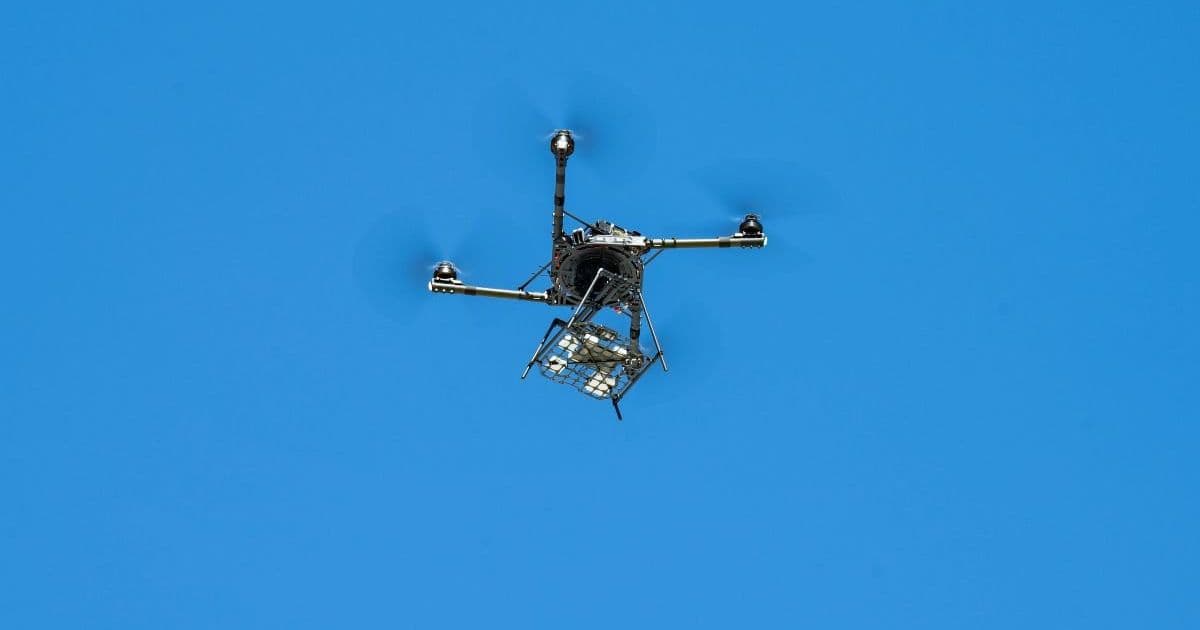
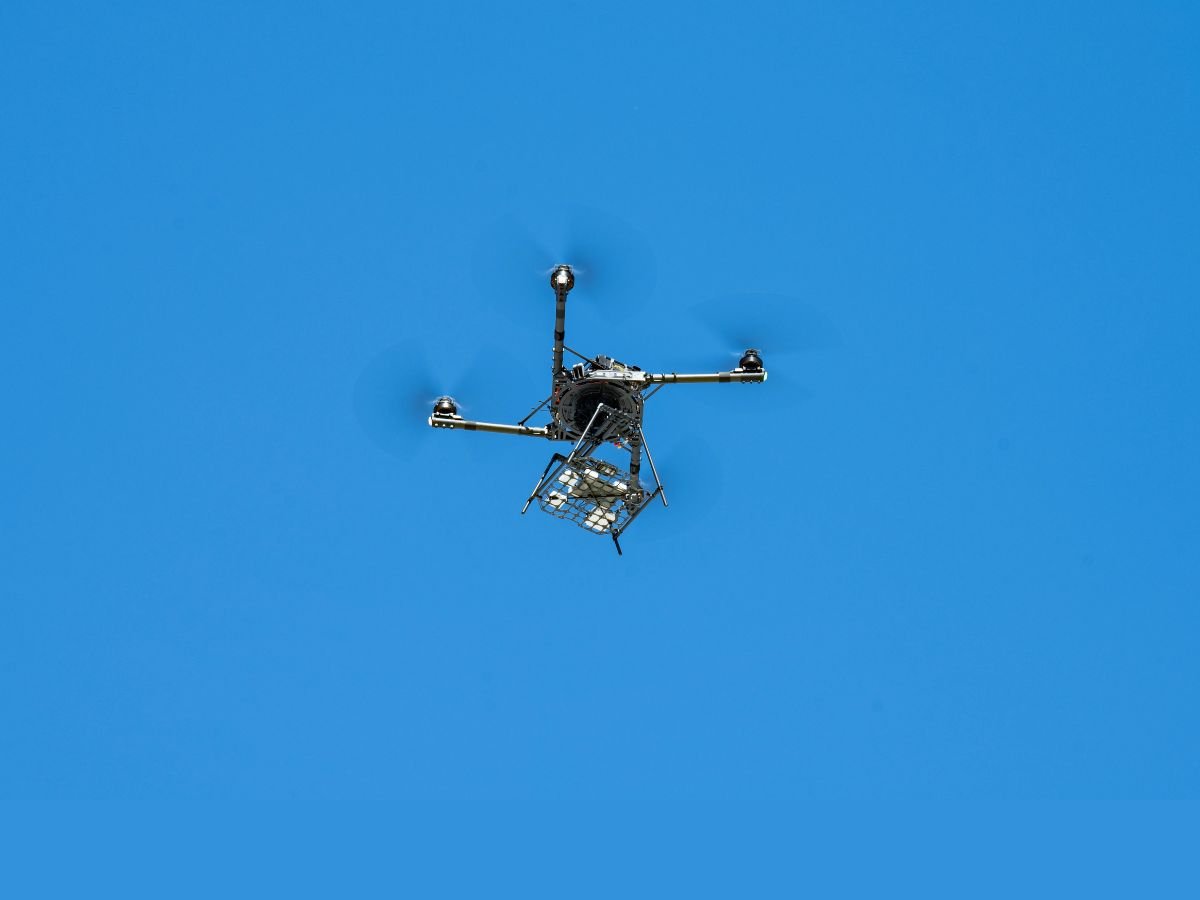
To validate the technology, NASA researchers conducted field tests using an Alta-X quadcopter drone equipped with a dedicated computing module, radio transceiver, GPS, and battery pack. This hardware configuration simulated real-world flight conditions while a separate ground station monitored operations. During these tests, the blockchain system successfully demonstrated its ability to securely manage flight data exchanges while resisting simulated cyber intrusions.
While current aviation security protocols have proven effective, NASA's blockchain implementation offers distinct advantages:
- Tamper-proof record keeping: Immutable ledger prevents unauthorized data modification
- Decentralized verification: Eliminates single points of failure
- Granular access control: Restricts data visibility to authenticated users
- Operational transparency: Provides auditable trail of all transactions
NASA anticipates this framework could scale to support emerging aviation sectors, including high-altitude operations above 60,000 feet and Urban Air Mobility networks. The agency continues refining the technology through additional simulations before potential implementation in next-generation aircraft systems. This development represents a proactive approach to cybersecurity as aviation enters an era of increasingly connected and autonomous flight operations.
Comments
Please log in or register to join the discussion