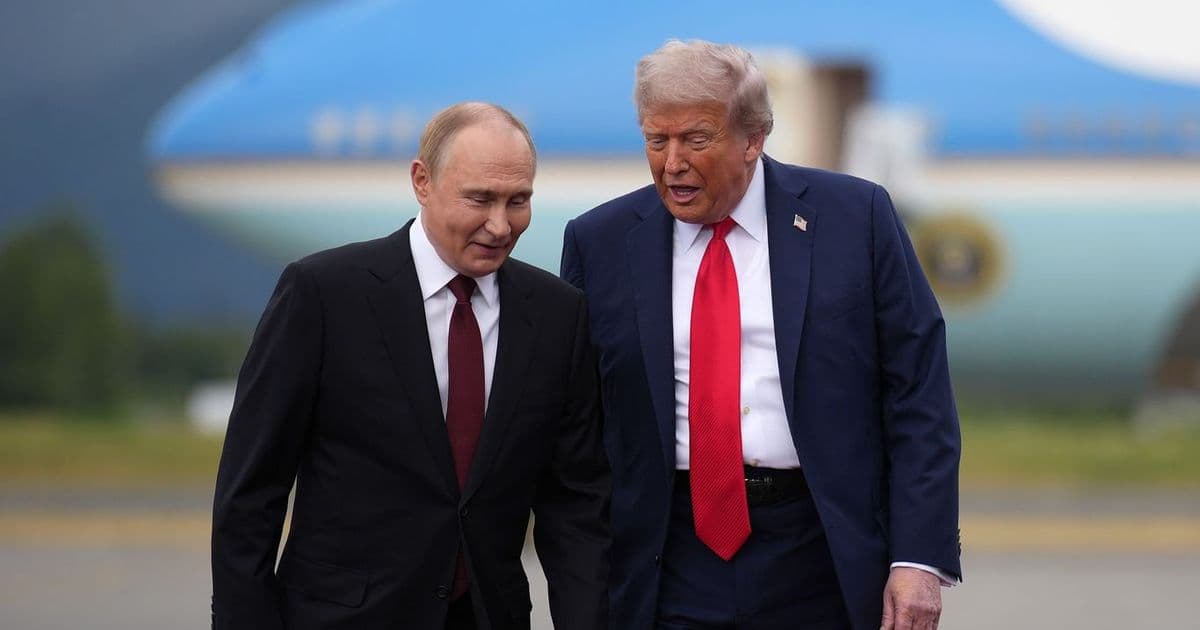
President Trump declined a Russian offer to relocate Iran's enriched uranium stockpile, rejecting a proposal that would have involved Moscow in nuclear negotiations.
President Donald Trump has rejected a proposal from Russian President Vladimir Putin to transfer Iran's enriched uranium stockpile to Russia, according to sources familiar with the matter.
The Proposal
The rejected offer would have involved Moscow taking custody of Iran's enriched uranium, potentially as part of broader negotiations over Iran's nuclear program. The proposal came amid ongoing tensions regarding Iran's nuclear activities and international efforts to prevent Tehran from developing nuclear weapons capabilities.
Strategic Implications
Trump's rejection of the Putin proposal signals a continued hardline stance toward both Iran and Russia. The decision maintains the current diplomatic isolation of Iran while avoiding any appearance of Russian involvement in mediating the nuclear standoff.
Context of U.S.-Iran Relations
The rejection comes as the Trump administration continues its "maximum pressure" campaign against Iran, which includes economic sanctions and diplomatic isolation. The administration has consistently opposed any arrangement that might legitimize Iran's nuclear program or reduce pressure on Tehran to negotiate a new agreement.
Russia's Position
Moscow has maintained closer ties with Tehran than Washington would prefer, with Russia providing diplomatic support to Iran at the United Nations and in other international forums. The proposal to handle Iran's uranium would have positioned Russia as a potential intermediary in the nuclear dispute.
International Response
European allies have expressed concern about the escalating tensions between the U.S. and Iran, with some advocating for diplomatic solutions to prevent a potential military confrontation. The rejection of Russia's proposal may complicate efforts by European nations to maintain the 2015 nuclear deal, from which the U.S. withdrew in 2018.
What This Means for Nuclear Negotiations
The rejection suggests that the Trump administration remains committed to its current approach of maximum economic pressure rather than exploring alternative diplomatic channels. This stance could further limit options for resolving the nuclear dispute through negotiation, potentially increasing the risk of military confrontation.
The administration has not publicly commented on the specific proposal, maintaining its position that Iran must completely abandon its nuclear program before any sanctions relief can be considered.
Comments
Please log in or register to join the discussion