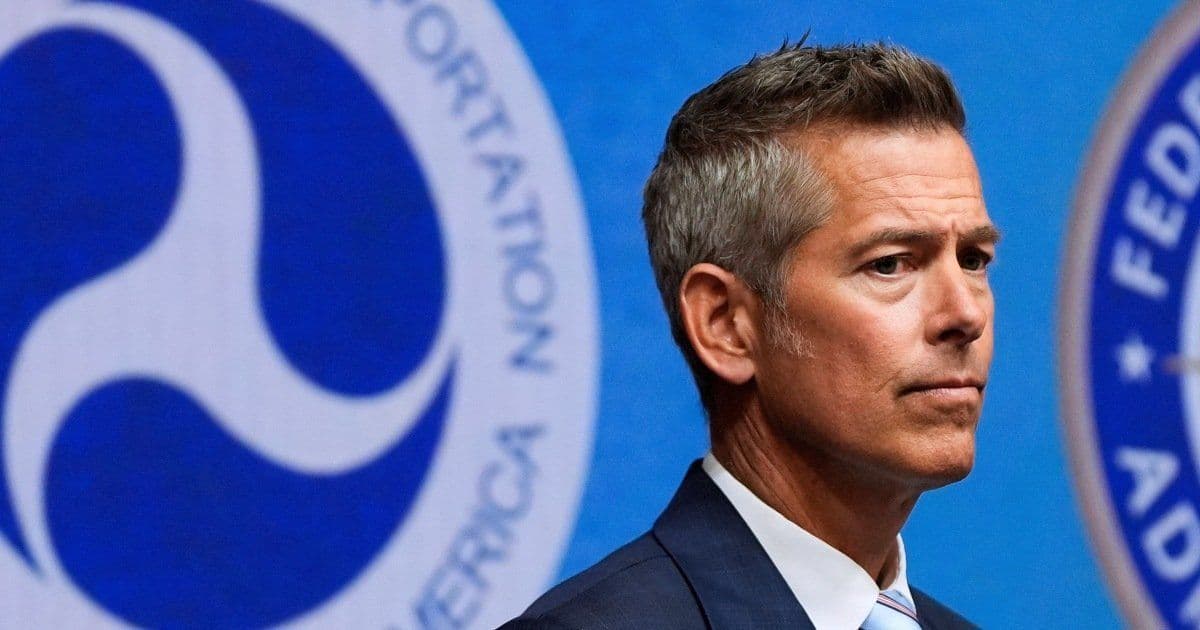
Acting NASA Administrator Sean Duffy warned employees against letting safety concerns paralyze progress amid a tightening space race with China. Facing a 24% budget cut and workforce reductions, Duffy vowed to beat China's 2030 moon landing target while navigating resource constraints and inherent risks of accelerated space exploration.
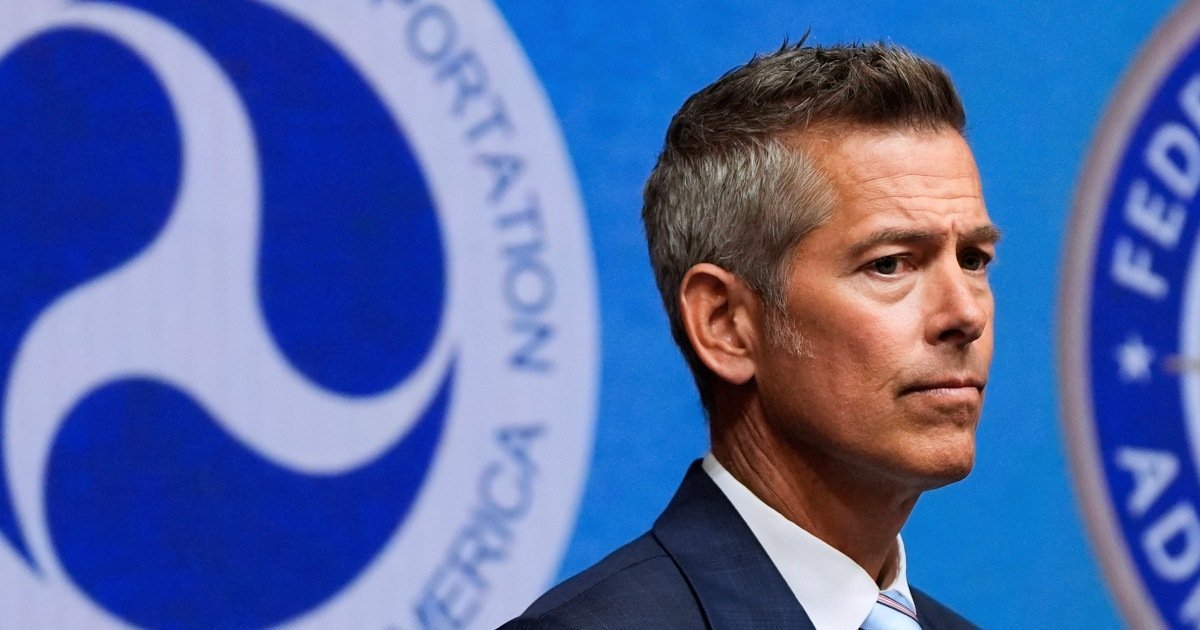
In a stark internal address obtained by NBC News, Acting NASA Administrator Sean Duffy framed the U.S.-China lunar competition as a battle demanding calculated risk-taking. "We are safety-driven... but sometimes we can let safety be the enemy of making progress," Duffy declared during a NASA town hall, emphasizing the urgency of the Artemis program. "We have to be able to take some leaps... We can’t side on the side of doing nothing because we’re afraid of any risk."
Duffy's comments underscore the intense pressure on NASA as China accelerates its lunar ambitions. The China National Space Administration has successfully tested critical moon landing hardware and publicly targets crewed lunar missions by 2030, including plans for a nuclear-powered moon base developed with Russia. This aggressive timeline clashes with NASA's own Artemis goals while the agency faces significant headwinds:
- Budget Cuts: The Trump administration's proposed budget slashes NASA funding by $6 billion (roughly 24%), forcing cost reductions across programs.
- Workforce Exodus: Nearly 4,000 employees—over 20% of NASA's workforce—accepted early departure offers as part of federal downsizing, including critical senior engineers and program managers.
- Political Pressure: Duffy expressed anger over Senate testimony questioning U.S. capabilities, stating unequivocally: "I’ll be damned if that is the story that we write. We are going to beat the Chinese to the moon."
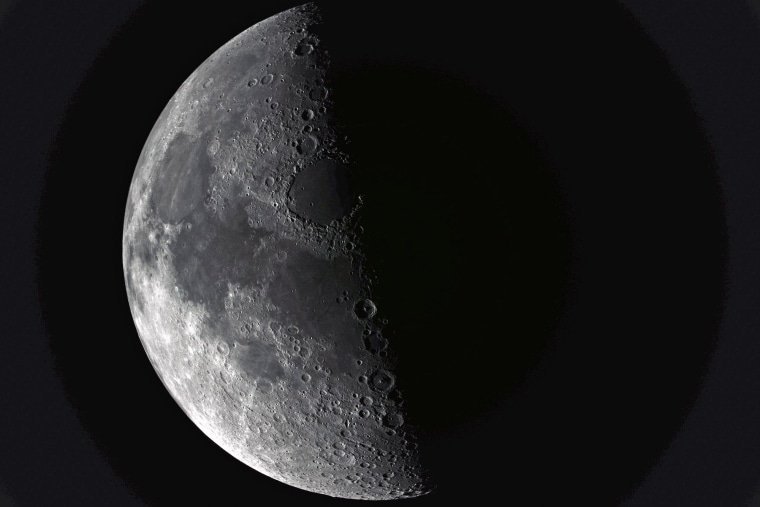 Caption: Lunar imagery from ispace's Resilience lander underscores the renewed global focus on the Moon.
Despite these constraints, Duffy asserted NASA possesses sufficient resources for its immediate Artemis objectives but pledged to aggressively seek additional funding if needed: "If we don’t, I guarantee you, 100% I will go to the president, I will go to OMB, I’ll go to the House, I’ll go to the Senate, and I’ll ask for more money... sometimes money is success." He acknowledged the delicate balance required: "We’re under pressure to do this really well, really fast and really safely."
This tension between innovation velocity and operational safety resonates far beyond NASA. For engineers and tech leaders in aerospace, robotics, and mission-critical software development, Duffy's stance highlights a perennial challenge: how to push technological boundaries for strategic advantage without compromising foundational safety protocols. The outcome of NASA's high-stakes balancing act will set precedents for managing risk in the next era of space exploration, where delays could mean ceding lunar resources and geopolitical influence to competitors. As the clock ticks toward 2030, the agency must engineer not just spacecraft, but a sustainable model for ambitious, rapid, and safe exploration under unprecedented constraints.
Source: NBC News (Julia Jester, Denise Chow), September 5, 2025
Comments
Please log in or register to join the discussion