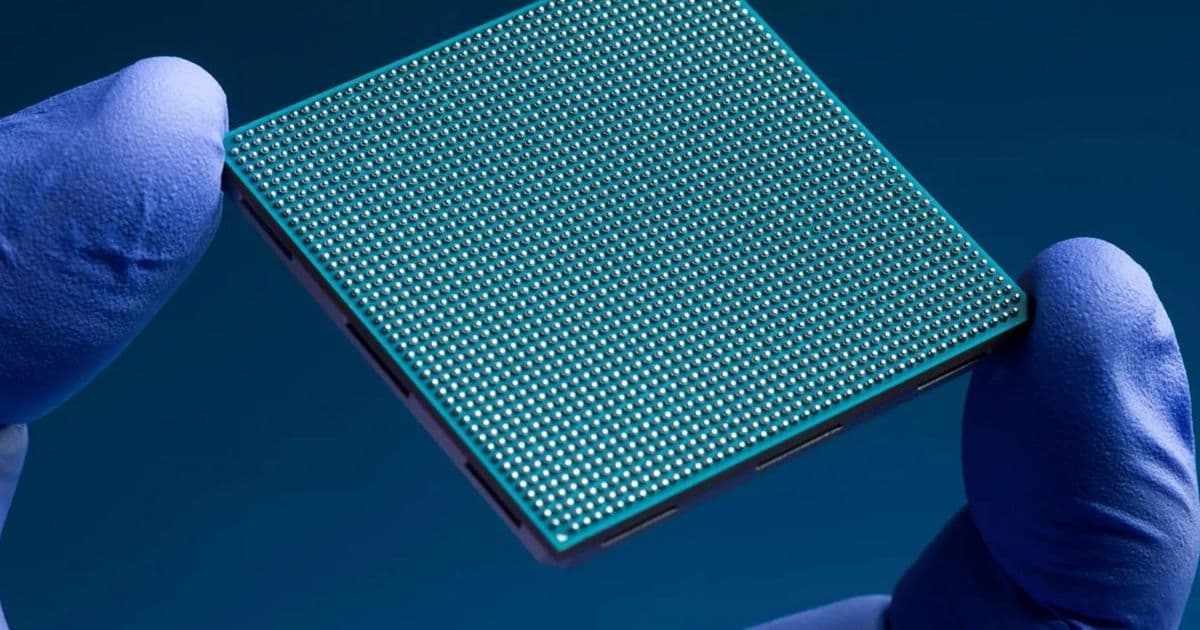
The High Performance Spaceflight Computing (HPSC) processor, developed with Microchip Technology, is engineered to survive radiation, temperature swings and electromagnetic interference while delivering up to 500× the performance of legacy space‑grade CPUs, enabling onboard AI for faster science and greater mission independence.
NASA’s High‑Performance Spaceflight Computing Chip: What’s New
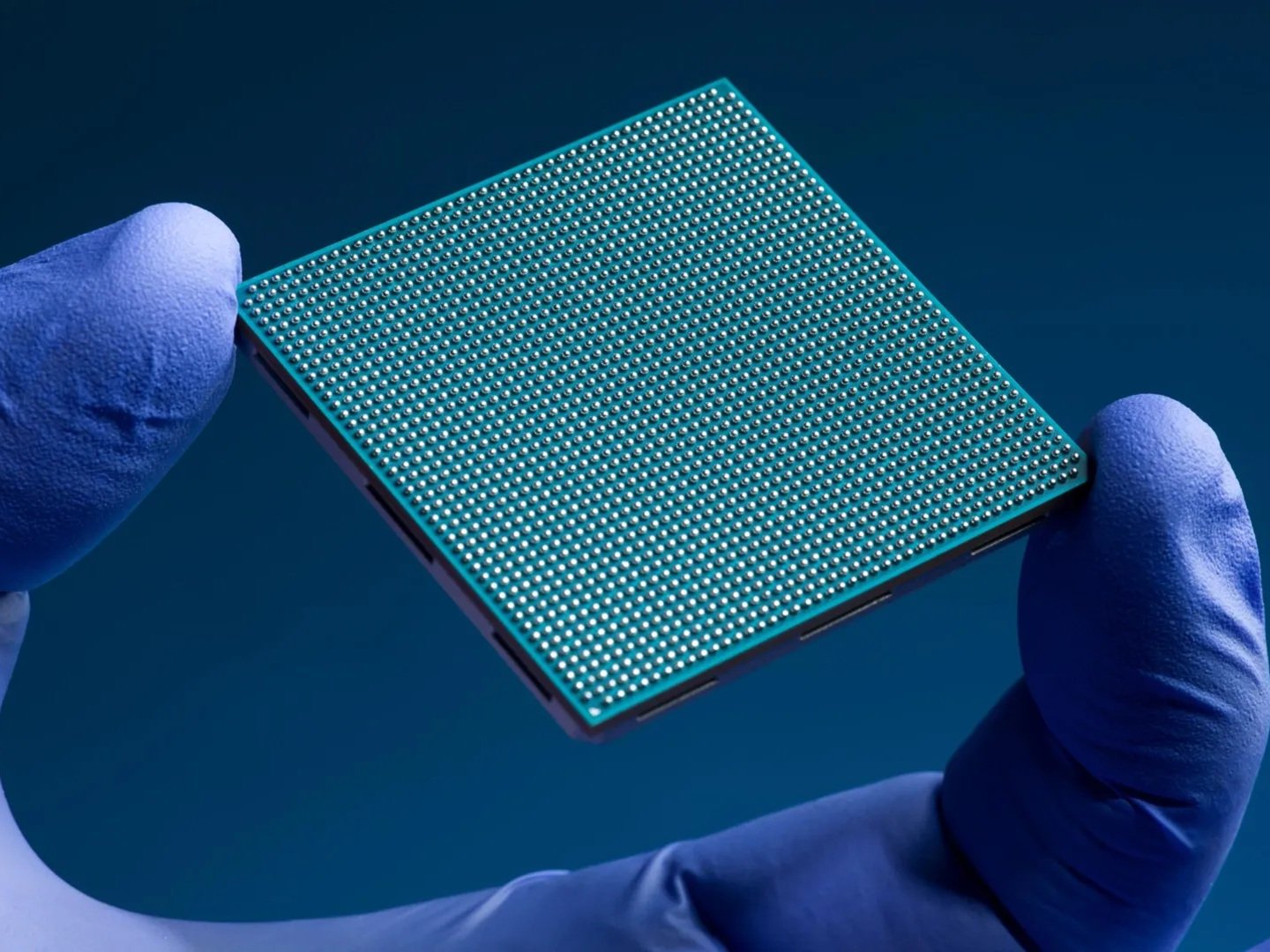
The new High Performance Spaceflight Computing (HPSC) processor is the first silicon designed from the ground up for autonomous deep‑space missions. Built on a radiation‑hardened 28 nm architecture from Microchip Technology, the chip integrates a custom AI accelerator, a multi‑core general‑purpose CPU cluster and on‑die error‑correction logic. Early test data from JPL’s radiation‑facility shows computational throughput up to 500 times that of the RAD750, the workhorse of current spacecraft.
How It Stacks Up Against Existing Space‑Grade Processors
| Feature | HPSC (prototype) | RAD750 (current) | Intel Xeon (Terra‑form) |
|---|---|---|---|
| Process node | 28 nm (radiation‑hard) | 250 nm (radiation‑hard) | 10 nm (commercial) |
| Core count | 8 × high‑efficiency cores + 1 AI accelerator | 1 × PowerPC core | 24 × Xeon cores |
| Peak FP32 performance | 1.2 TFLOPS (AI) / 4 TFLOPS (CPU) | 0.2 TFLOPS | 30 TFLOPS |
| Radiation tolerance | 10 krad(Si) total ionizing dose, SEE‑hardened | 10 krad(Si) | 0.1 krad(Si) (commercial) |
| Operating temperature | –55 °C to +125 °C | –55 °C to +125 °C | 0 °C to 85 °C |
| Power envelope | 12 W typical, 20 W max | 5 W | 150 W |
The HPSC’s AI accelerator is the biggest differentiator. While the RAD750 can only run simple control loops, the new chip can execute convolutional neural networks for image classification, anomaly detection and adaptive navigation in real time. In JPL’s simulated Mars‑landing test, the processor identified a rock‑slide hazard 0.8 seconds after sensor capture, compared with the several‑second latency of legacy hardware.
Why the Performance Leap Matters
- Reduced reliance on Earth‑based commands – Deep‑space probes often experience round‑trip light‑time delays of 20 minutes or more. With on‑board AI, a spacecraft can re‑plan its trajectory, adjust power budgets, or re‑configure scientific instruments without waiting for ground approval.
- Higher‑fidelity science – Real‑time processing of hyperspectral data, lidar point clouds or subsurface radar returns enables the craft to decide which samples merit transmission, conserving bandwidth.
- Resilience to hazards – Fault‑tolerant design (triple modular redundancy, lockstep execution) means a single‑event upset does not corrupt critical software state, a key requirement for planetary landings where communication black‑outs are common.
Who Will Benefit From the HPSC?
| Application | Expected Benefits |
|---|---|
| Planetary rovers (e.g., Mars 2028) | On‑board terrain classification, autonomous path planning, reduced downtime during dust storms |
| Deep‑space probes (e.g., Europa Clipper successor) | Real‑time plume analysis, adaptive cruise control for fly‑by maneuvers |
| Earth‑orbiting satellites (e.g., next‑gen weather constellations) | Edge AI for cloud‑cover detection, on‑board compression to lower downlink costs |
| Space‑based telescopes (e.g., LUVOIR) | On‑chip de‑convolution of raw images, faster transient event alerts |
The processor’s power envelope (12 W typical) fits within the thermal and power budgets of most current spacecraft bus designs, meaning agencies can retrofit the chip into upcoming missions without a major redesign.
Technical Trade‑offs to Keep in Mind
- Power vs. Performance – The AI accelerator draws a peak of 8 W; mission planners will need to balance workload scheduling against battery or solar‑array capacity.
- Manufacturing lead time – Radiation‑hard 28 nm wafers are produced in limited volumes; early adopters may face longer procurement cycles.
- Software ecosystem – NASA is releasing a stripped‑down version of the TensorFlow Lite for Microcontrollers runtime, but developers will need to port existing models and validate them under space‑radiation constraints.
Looking Ahead
The HPSC prototypes are currently undergoing total ionizing dose and single‑event effect testing at JPL’s Radiation Effects Facility. Results published in the Journal of Spacecraft and Rockets (June 2026) show a 99.999 % functional retention after 10 krad exposure. If the upcoming qualification run confirms these numbers, the processor could enter flight qualification by late 2027, positioning it for the Artemis III lunar gateway and the Europa Clipper 2 concepts.
For developers interested in early access, NASA’s Space Technology Mission Directorate has opened a hardware‑in‑the‑loop program. More details are available on the official HPSC page and the partner’s site at Microchip’s space solutions.
The HPSC is not a consumer‑grade chip; its design priorities are radiation tolerance and deterministic execution rather than raw clock speed. Still, the performance jump it offers could redefine how autonomous a spacecraft can be, shifting many routine decisions from ground control to the vehicle itself.
Comments
Please log in or register to join the discussion