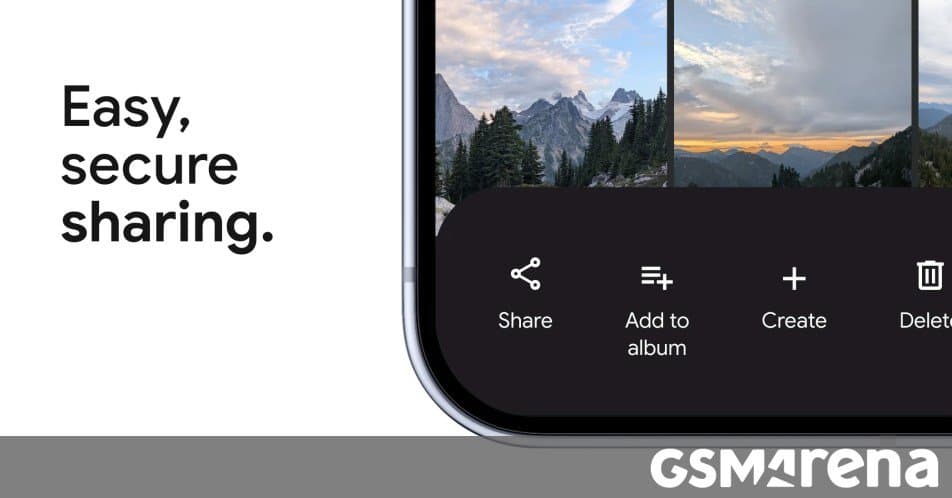
Google adds a QR‑code based option to Quick Share, letting Android phones send files to iPhones without AirDrop. The files are uploaded to a private, encrypted cloud link that iOS users can open via the Camera app, with a 24‑hour download window.
Google rolls out QR‑code Quick Share for Android‑to‑iOS transfers
During The Android Show: I/O Edition Google unveiled a new Quick Share workflow that lets Android devices hand off files to iPhones using a simple QR code. The feature appears as a "Share to iOS" button in the Android share sheet. When tapped, the system generates a QR code that encodes a short, time‑limited download URL.
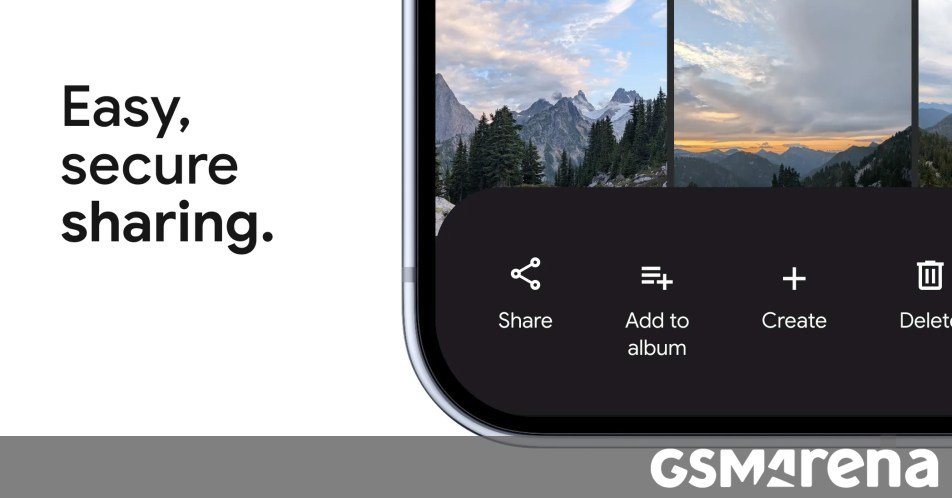
How the QR‑code handoff works
- Select files – Any combination of photos, videos, PDFs, or APKs can be chosen in the Android share dialog.
- Generate QR code – Quick Share uploads the payload to Google’s cloud, encrypts it end‑to‑end, and returns a QR image.
- Scan with iPhone – The iOS user opens the native Camera app, points it at the QR code, and taps the notification that appears.
- Secure download – iOS launches a Safari view that authenticates the link, then downloads the files directly to the device’s Files app.
The link is single‑use and expires after 24 hours. Google’s documentation states that the URL cannot be forwarded, and the encryption keys never leave the sender’s device, keeping the transfer private.
Why this matters for cross‑platform users
Until now, Android‑to‑iOS file sharing relied on third‑party apps, email attachments, or cloud services that required manual link copying. The QR‑code method removes those friction points:
- No app install required – iPhone users only need the built‑in Camera app.
- Instant feedback – The QR code appears instantly, and the iOS device shows a preview of the incoming files before download.
- Consistent experience – Both Android and iOS handle the process within their native UI, avoiding the “open in another app” prompts that often confuse users.
Ecosystem implications
Google’s move nudges the two ecosystems toward a more pragmatic coexistence. While Apple’s AirDrop remains exclusive to iOS/macOS, the QR‑code bridge gives Android a low‑cost alternative that does not require Apple to open its proprietary protocol. For users who own both platforms, the feature reduces reliance on shared cloud accounts or USB cables.
From a developer perspective, the implementation uses the existing Google Cloud Storage backend that powers Quick Share’s Android‑only mode. The QR payload simply references a signed URL with a short TTL (time‑to‑live). This means the same infrastructure can be extended to other platforms in the future, perhaps enabling Quick Share from Android to Windows or macOS via QR codes.
Availability and rollout schedule
Google confirmed that the QR‑code Quick Share will be enabled for all Android 15 devices by the end of June 2026. Early access is already visible on Pixel 8 Pro, Samsung Galaxy S24, and select OnePlus models running the latest OTA. Users can verify the feature by opening the Quick Share settings and looking for the "Share to iOS" toggle.
What to keep an eye on
- Battery impact – Uploading large files to the cloud consumes more power than a direct Bluetooth link. Google recommends using Wi‑Fi or a fast mobile data connection for best results.
- Data usage – The transfer counts against the user’s data plan unless connected to Wi‑Fi. A small on‑screen warning now appears before the upload begins.
- Future extensions – Rumors suggest Google may add QR‑code support for receiving files from iOS in a later update, turning the process into a true two‑way bridge.
For a step‑by‑step guide, see the official Quick Share support page.
Quick Share’s QR‑code bridge offers a pragmatic solution for the long‑standing Android‑to‑iOS file‑sharing gap, delivering a secure, app‑free experience that fits neatly into both platforms’ native workflows.
Comments
Please log in or register to join the discussion