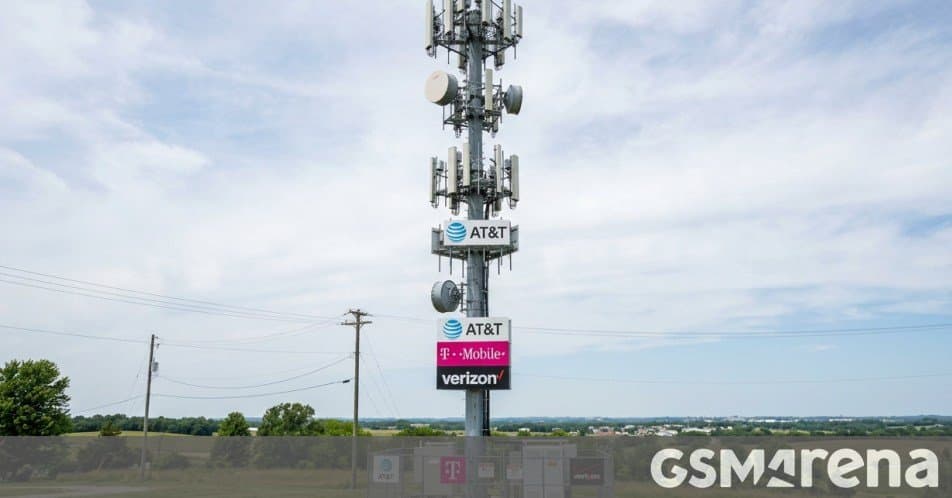
AT&T, T-Mobile, and Verizon announce unprecedented collaboration to use satellite-based technologies for universal mobile coverage, potentially eliminating dead zones across the United States.
In a surprising move that breaks years of competitive rivalry, AT&T, T-Mobile, and Verizon have announced a joint venture aimed at using satellite-based technologies to address coverage gaps across the United States. This unprecedented collaboration between the three major carriers could fundamentally change how mobile connectivity is delivered, especially in remote and underserved communities where traditional cell networks have historically struggled.
The joint venture will focus on extending mobile connectivity for customers of all three companies through a collaborative investment in satellite-based direct-to-device technologies. According to the official joint press release, customers can expect "a more seamless experience, especially in remote areas where traditional cell networks have limited or no service."
The Technical Approach
This initiative represents a significant technical shift in how mobile carriers approach network coverage. Rather than each company building out their own infrastructure in isolated areas, they'll be pooling resources to implement satellite-based solutions that can reach locations where traditional cell towers are impractical or cost-prohibitive.
The technical approach will likely involve:
Direct-to-device satellite connectivity: Enabling smartphones to connect directly to satellites without needing specialized hardware, similar to what T-Mobile has been developing with SpaceX.
Spectrum pooling: Combining the carriers' spectrum resources to increase capacity and efficiency in areas where coverage is currently limited.
Unified platform: Creating a single interface that allows satellite providers to reach more customers through a standardized system.
Hybrid network integration: Seamlessly integrating satellite connections with terrestrial networks to ensure a smooth handoff between different connection types.
Why This Matters for Consumers
For everyday users, this collaboration could mean the end of frustrating dead zones during road trips, outdoor adventures, or even in some rural communities. The promise of "more seamless connectivity" isn't just marketing hyperbole—it represents a practical solution to a long-standing problem in mobile telecommunications.
The carriers have emphasized that this approach will "expand customer choice by bringing together IP and terrestrial spectrum and creating industry specifications that will make everything work more smoothly." This suggests that consumers won't need to switch carriers to benefit from improved coverage; instead, the enhancement will be available across all three networks.
Current Status and Timeline
It's important to note that this is currently just "an agreement in principle" rather than a finalized deal. The carriers haven't announced specific timelines, technical specifications, or investment amounts. However, the fact that all three competitors have agreed to collaborate on such a venture indicates they see significant value in the approach.
The joint venture will likely face technical challenges, particularly in ensuring that satellite connections can provide the same speed, latency, and reliability as terrestrial networks. Battery consumption on devices connecting to satellites will also be an important consideration.
Ecosystem Implications
This collaboration raises interesting questions about ecosystem lock-in and network competition. While the carriers remain competitors on pricing, customer service, and network features, they're acknowledging that some challenges are too large or expensive for any single company to address alone.
The satellite-based approach could also influence device manufacturers, who may need to incorporate new technologies to support direct satellite connectivity. Companies like Apple, Samsung, and Google may need to adjust their hardware designs to accommodate these new connection methods without compromising battery life or device aesthetics.
Broader Context
This initiative isn't happening in a vacuum. T-Mobile has already been working with SpaceX on satellite connectivity, while Apple has incorporated satellite emergency messaging capabilities in its recent iPhones. The FCC has also been exploring ways to improve connectivity in underserved areas through various incentive programs.
The carriers' joint approach builds on these existing efforts but takes them to a new level by creating a unified platform that could work across all devices and networks. This could accelerate adoption of satellite-based mobile connectivity and potentially set new standards for the industry.
What Comes Next
As this joint venture develops, we can expect to see:
- More detailed technical specifications about how the satellite integration will work
- Announcements about which satellite providers the carriers will partner with
- Information about how existing devices will be supported or if new hardware will be required
- Timeline for when customers can expect to see coverage improvements
For now, carriers and consumers alike will be watching closely to see whether this unprecedented collaboration can deliver on its promise of eliminating coverage gaps and creating a truly connected nation, regardless of location or carrier choice.
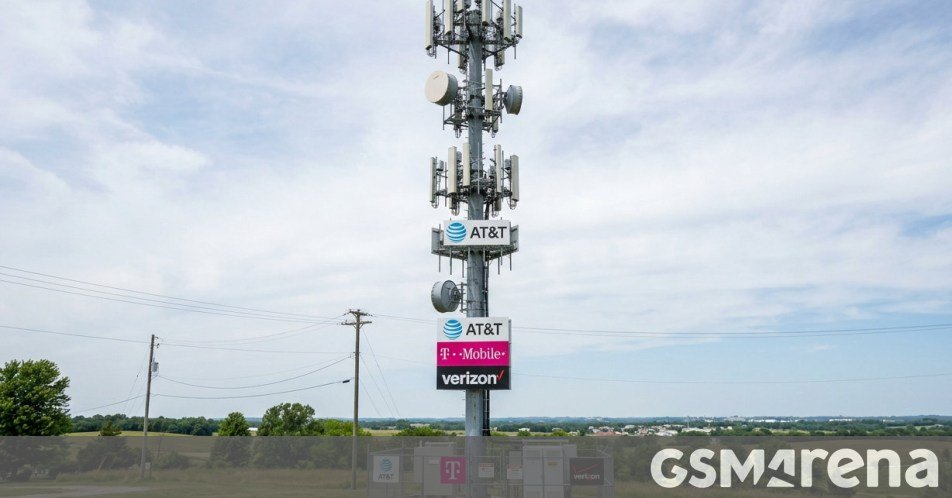
This move by the big three carriers represents a significant shift in the competitive landscape of US mobile telecommunications. By collaborating on satellite-based coverage solutions, they're acknowledging that some challenges are best addressed through cooperation rather than competition. While the technical details and timeline remain unclear, the potential benefits for consumers—especially those in underserved and remote areas—are substantial. As this joint venture develops, it could set new standards for mobile connectivity and potentially influence how telecommunications networks are built and operated worldwide.

Comments
Please log in or register to join the discussion