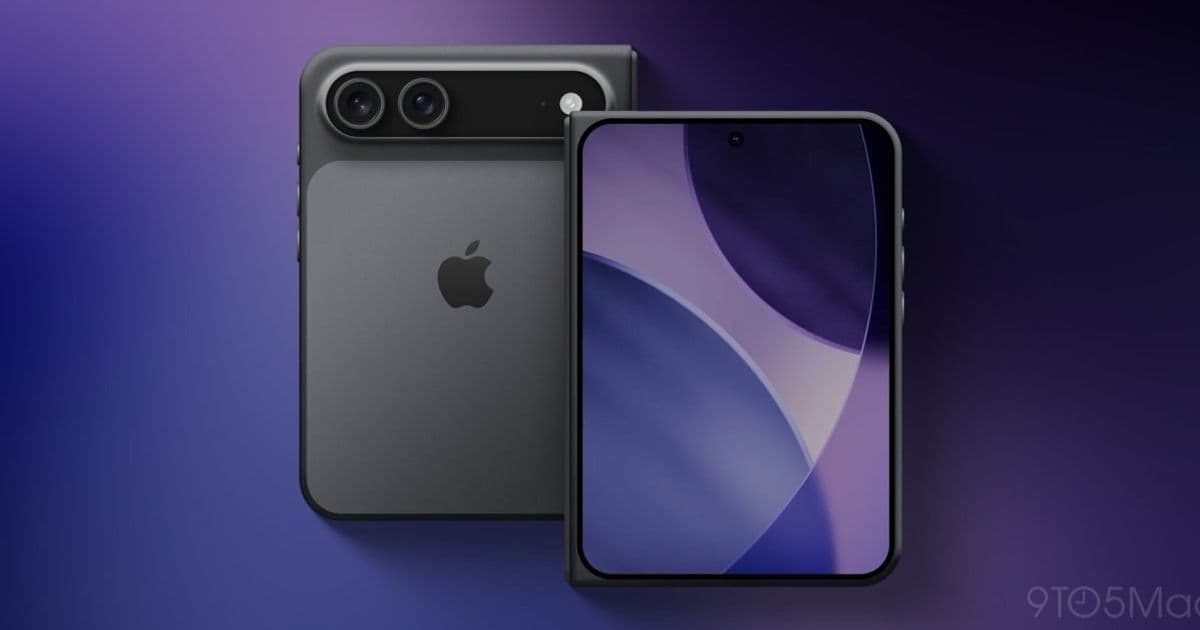
A recent CNET survey shows 14% of U.S. iPhone users are interested in a folding device, a figure higher than many analysts expected. The result hints at a modest but real demand that could shape Apple’s future hardware roadmap and affect cross‑platform mobile development.
More than 10% of iPhone owners eyeing a folding phone – survey
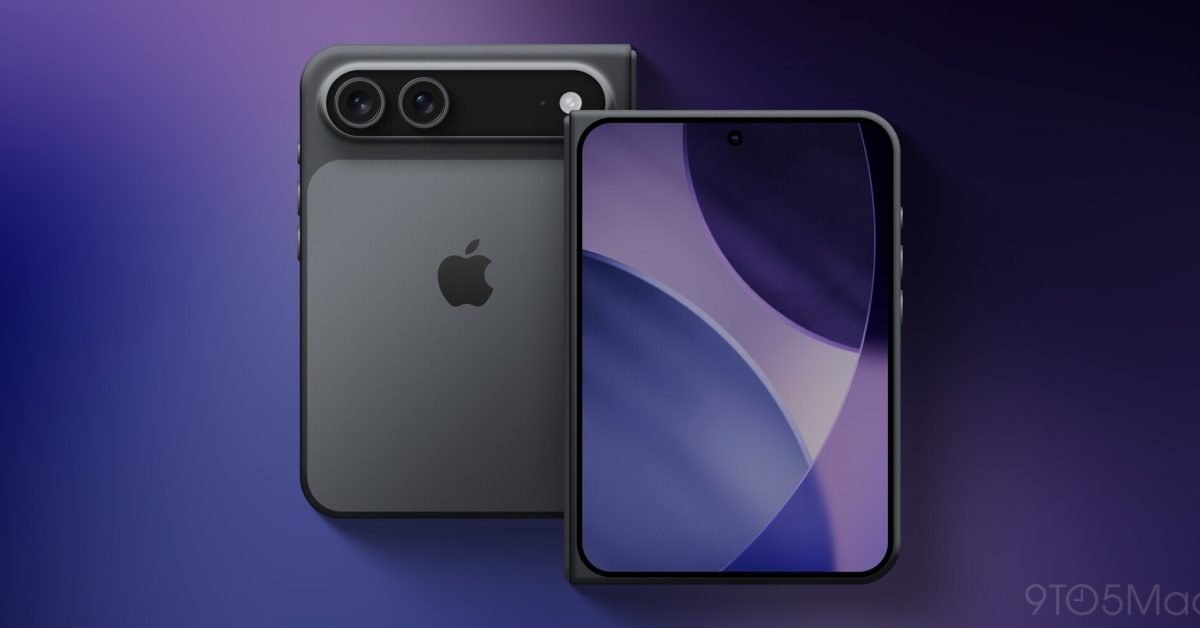
Apple has not officially confirmed a folding iPhone, but a new CNET poll of U.S. adults reveals that 14 % of iPhone owners say they would consider a foldable handset. The overall interest in new form factors sits at 13 % across all smartphone users, with price (55 %) and battery life (52 %) remaining the top decision factors.
Why the numbers matter to developers
Even a modest uptake can have ripple effects for the iOS ecosystem and for teams that ship apps on both iOS and Android:
- Screen‑size variability – A foldable iPhone would likely launch with a 6.7‑inch unfolded display and a compact 5‑inch folded mode. Apps that rely on fixed‑size layouts will need to adopt more flexible UI techniques such as
UISplitViewController,UIWindowScenesize classes, and SwiftUI’s adaptive stacks. - Multitasking expectations – Apple’s current iPad multitasking model (Slide Over, Split View) could be extended to a foldable iPhone. Developers should start testing multi‑window support on iPadOS 18 and consider how their app’s state restoration works when the device transitions between screen configurations.
- Performance budgeting – Early rumors peg the first folding iPhone at a $2,000‑plus price point, which suggests premium hardware (high‑refresh OLED, large memory pool). Nevertheless, developers must still respect the lower‑end iPhone 15 line that will dominate market share. Profiling with Instruments on both high‑end and legacy devices will remain essential.
- Cross‑platform parity – Android already has several foldables (Galaxy Z Fold, Huawei Mate X). Teams using Flutter, React Native, or Kotlin Multiplatform will find a new iOS target that mirrors the Android experience, reducing the need for platform‑specific work‑arounds.
Migration checklist for a folding‑ready iOS app
If you maintain an iOS codebase and want to be ready for a potential foldable launch, follow these steps:
- Audit layout constraints
- Replace hard‑coded widths with
UILayoutGuideandNSLayoutDimensionconstraints that respectview.safeAreaInsets. - Test with the Xcode 16 simulator’s Foldable iPhone configuration (available in the Device dropdown).
- Replace hard‑coded widths with
- Enable size‑class awareness
- In SwiftUI, wrap UI in
GeometryReaderand use@Environment(\. horizontalSizeClass)to adjust view hierarchies. - In UIKit, override
traitCollectionDidChange(_:)to switch between compact and regular layouts.
- In SwiftUI, wrap UI in
- Implement state preservation
- Store UI state in
SceneDelegate’sstateRestorationActivityso the app can resume seamlessly after a fold/unfold event.
- Store UI state in
- Review multitasking support
- Add the
UIRequiresFullScreen = NOkey inInfo.plist. - Ensure your app’s
UISceneconfiguration supports multiple windows on iPadOS; this will carry over to a foldable iPhone if Apple follows the iPad model.
- Add the
- Test on Android foldables
- Run the same UI tests on a Galaxy Z Fold using Android Studio’s emulator. Tools like Appium or Detox can run the same test suite across both platforms, catching layout regressions early.
Cross‑platform considerations
For teams that share code between iOS and Android, a folding iPhone narrows the gap between the two ecosystems:
- Flutter: The framework already abstracts screen size via
MediaQuery. Adding a customFoldableLayoutwidget that reacts towindow.physicalSizechanges will provide a unified API for both platforms. - React Native: Use the
useWindowDimensionshook and listen forDimensions.addEventListener('change', ...)to handle fold/unfold events. The community libraryreact-native-foldable(still in beta) can be a starting point. - Kotlin Multiplatform Mobile (KMM): Share UI logic that calculates layout breakpoints. The iOS implementation can pull the current
UIScreen.main.boundswhile Android readsWindowMetrics.
By designing with flexibility now, you avoid a massive rewrite when Apple finally releases a folding device.
What to watch next
- Apple’s WWDC 2026 keynote – Keep an eye on any mention of “flexible displays” or new
UIWindowSceneAPIs. - Pricing disclosures – If the first folding iPhone lands above $2,000, developers may need to adjust monetization strategies (e.g., premium in‑app purchases) to match the higher‑end user base.
- Developer beta releases – Xcode 16 beta 2 includes a Foldable iPhone simulator profile. Early testing will give you a head start.
The survey suggests that a non‑trivial slice of the iPhone community is at least curious about a foldable form factor. While price will likely keep the product niche at launch, the development implications are real. Preparing your code now can turn that curiosity into a smooth user experience when (or if) Apple finally folds its way into the market.
Ben Lovejoy is a British technology writer and EU editor for 9to5Mac. He also writes fiction, including technothriller novels and short stories.

Comments
Please log in or register to join the discussion