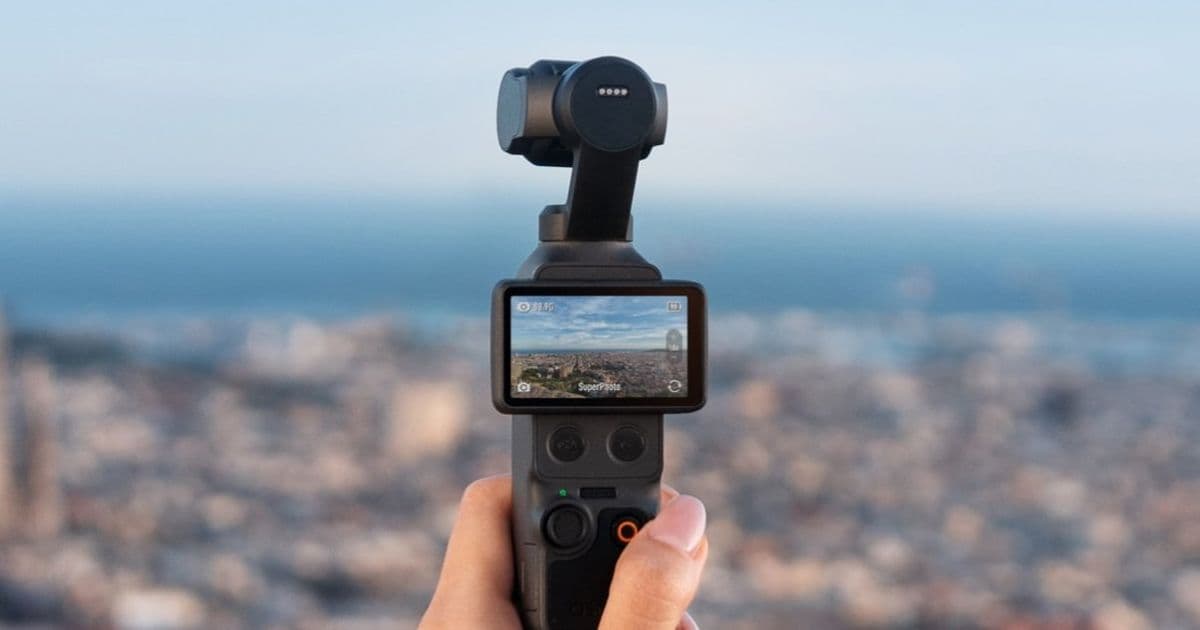
Chinese smartphone makers Oppo and Vivo are close to releasing their own handheld gimbal cameras, aiming to challenge DJI’s dominant Pocket series. Leveraging AI‑driven imaging and large user ecosystems, the two firms hope to broaden the lightweight video‑creation market and add new pricing tiers.
Oppo and Vivo Ready Pocket‑Style Gimbal Cameras for Year‑End Launches
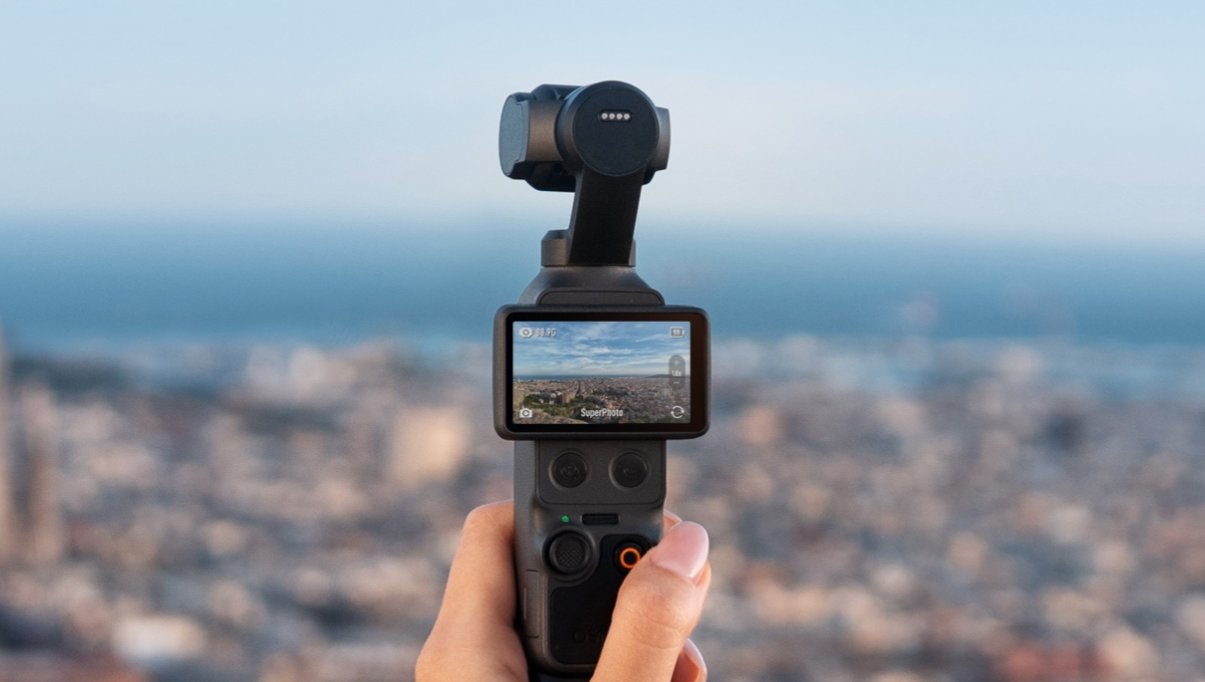
The problem they aim to solve
Short‑form video and vlog content have turned portable, stabilized cameras into a must‑have for creators. While DJI’s Osmo Pocket line and GoPro dominate the mid‑to‑high‑end segment, the market still lacks devices that combine a smartphone‑grade imaging stack with a truly pocket‑sized gimbal. Consumers want a tool that delivers smooth footage without the bulk of a traditional camcorder, yet current offerings either sacrifice image quality or cost more than a typical phone accessory.
What Oppo and Vivo are doing
Both companies have announced internal projects that target this gap. Vivo’s effort, launched in late 2025 under the working name Vlog Camera, is staffed by a team of roughly 100 engineers. President Hu Baishan has hinted at a “completely new design approach,” and the firm began user‑testing sessions on May 22 at its Bao’an headquarters, focusing on participants with prior gimbal experience.
Oppo, meanwhile, is developing a device codenamed Fuyao. IDC China’s Xue Miao notes that while Oppo’s supply‑chain scale differs from DJI’s, the company’s deep expertise in mobile imaging algorithms and AI‑enhanced video processing could give it a competitive edge. Fuyao is slated for a commercial launch before the close of 2026, giving Oppo a slightly longer runway to refine hardware and software integration.
Funding, traction and market context
No public financing rounds have been disclosed for these projects; they are being funded internally as part of the manufacturers’ broader R&D budgets. The real traction comes from ecosystem leverage: both Oppo and Vivo command hundreds of millions of smartphone users in China and increasingly abroad, providing a ready pool of early adopters and a distribution channel that rivals pure‑play camera makers.
The handheld smart‑imaging market is currently split among three major players. DJI and GoPro dominate the mid‑to‑high‑end action‑camera space, while Insta360 holds sway in the 360‑degree segment. Entry‑level devices are largely supplied by white‑label manufacturers, leaving room for brand‑recognizable entrants to command higher margins.
Analysts at Frost & Sullivan project a 15.9 % CAGR for the global handheld smart‑imaging market from 2020 to 2030, with total revenue expected to hit RMB 79.93 billion ($11.3 billion) by 2030. The arrival of Oppo and Vivo could diversify pricing and feature sets, potentially compressing DJI’s market share and prompting a price‑war that benefits consumers.
Technical hurdles ahead
Entering a space where DJI has spent years perfecting 3‑axis stabilization is not trivial. Key challenges include:
- Stabilization algorithms – achieving sub‑pixel smoothness while keeping the device under 150 g.
- Motion tracking – integrating AI‑driven subject detection that works across lighting conditions.
- Imaging pipeline – marrying smartphone‑grade sensors with real‑time HDR and low‑light processing.
- IP risk – navigating patents around gimbal mechanics and software‑based stabilization, an area where DJI holds a sizable portfolio.
Both firms plan to lean on their existing AI research teams to accelerate these capabilities, but the timeline for a polished product remains tight.
What this means for creators
If Oppo and Vivo deliver on their promises, creators will have more choices at varying price points. A lower‑cost alternative could make pocket gimbals accessible to hobbyists who currently view DJI’s offerings as premium gear. Conversely, a successful launch may push DJI to iterate faster, potentially raising the overall quality bar for the segment.
Looking ahead
The next few months will reveal whether the prototypes can meet the performance expectations set by DJI’s Pocket 4 and the broader market’s demand for effortless, high‑quality video. Watch for official announcements from Oppo and Vivo, as well as early hands‑on reviews from the user‑testing groups that are already sampling the hardware.
Jessie Wu is a tech reporter based in Shanghai. She covers consumer electronics, semiconductors, and gaming for TechNode. Reach her at [email protected].
Comments
Please log in or register to join the discussion