
NATO’s Starlift initiative could give Japan access to a multinational launch network, boosting regional launch‑site economies, creating new revenue streams for aerospace firms and tightening allied space‑defense capabilities amid rising great‑power competition.
NATO and Japan weigh shared use of satellite launch sites
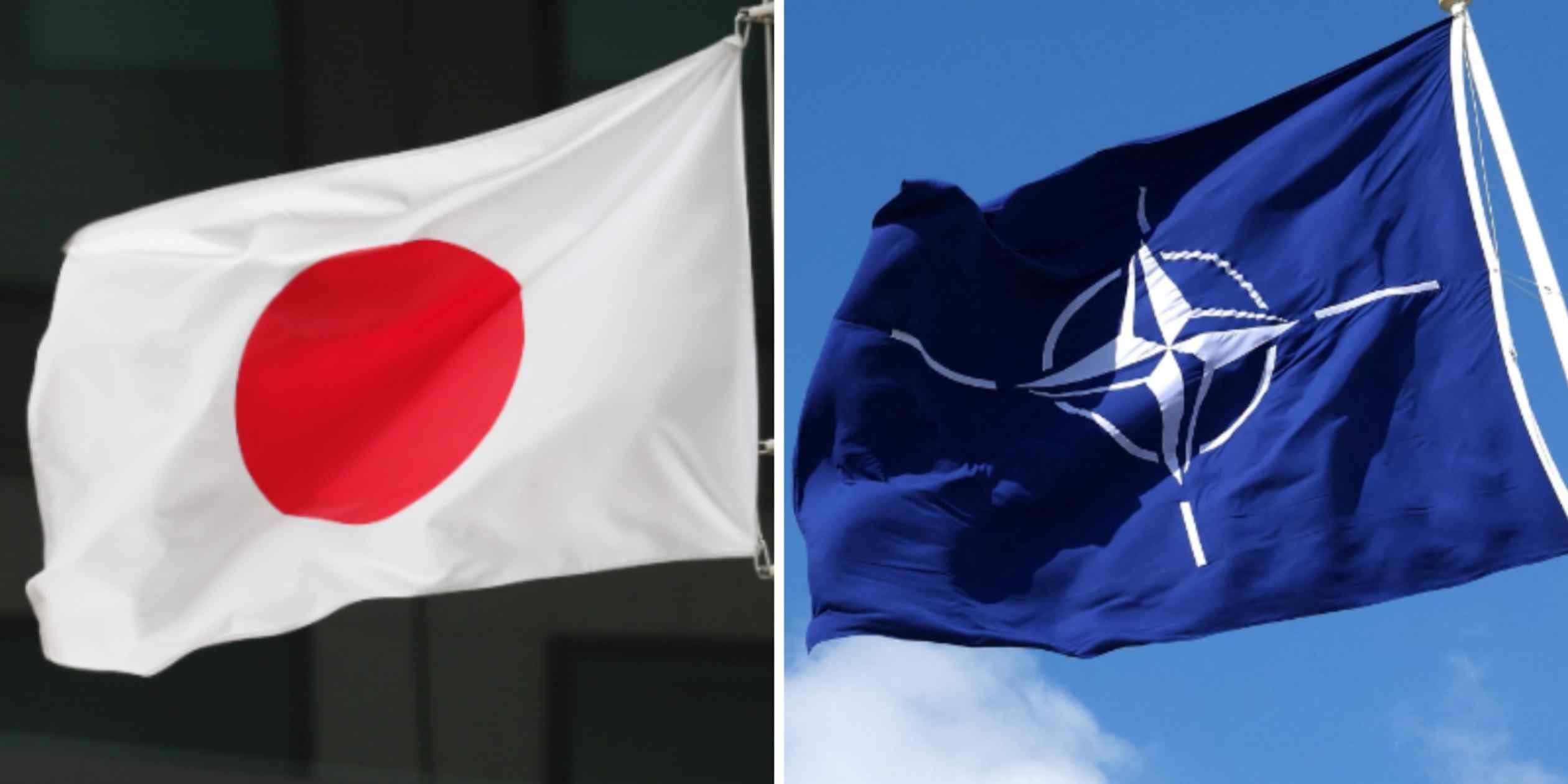
NATO is evaluating a proposal to allow Japan and other partners to use its satellite launch infrastructure under the alliance’s Starlift program. The move aims to create a rapid‑replacement capability for satellites that are disabled in a conflict, cutting down the time to restore critical communications, navigation and intelligence services.
Market context
- Global launch market growth – The commercial launch sector is projected to reach $15 billion in annual revenue by 2030, driven by megaconstellations and government demand for resilient space assets. Asia‑Pacific accounts for roughly 30 % of this growth, with Japan targeting a $2 billion domestic launch market by 2028.
- Allied spending – NATO members collectively allocated $122 billion to space‑related defence programmes in 2025, a 9 % increase from the previous year. Japan’s 2025 Space Development Plan earmarked ¥1.8 trillion (≈$12 billion) for launch‑site upgrades and satellite replenishment.
- Industrial players – Companies such as Airbus Defence and Space, Hitachi, Subaru and Mitsubishi Heavy Industries are already part of joint‑venture pipelines that could benefit from a shared‑use framework. Airbus alone expects a 15 % uplift in its launch‑service backlog if NATO‑Japan cooperation materialises.
Strategic implications
- Resilience against anti‑satellite weapons – By pooling launch pads in Japan’s Tanegashima and Uchinoura sites with NATO’s European facilities, allies can reroute missions within days, mitigating the risk of a single‑point failure.
- Economic boost to regional economies – Local municipalities near the launch sites stand to gain from increased activity. A 2024 impact study by the Japanese Ministry of Defense projected ¥45 billion (≈$300 million) in ancillary spending per additional 10 launches per year, covering hospitality, logistics and workforce training.
- Technology transfer and standards alignment – Shared use would require harmonising launch‑vehicle interfaces, safety protocols and data‑exchange standards. This could accelerate Japan’s adoption of NATO’s ST-1 secure telemetry format, facilitating smoother integration of allied payloads.
- Geopolitical signaling – The initiative underscores a deepening security tie between the trans‑Atlantic alliance and the Indo‑Pacific, offering a counterweight to China’s expanding Beidou and Russia’s GLONASS constellations.
- Risk‑sharing model – Cost‑sharing arrangements are being drafted, with NATO proposing a capacity‑fee model where Japan pays a per‑launch fee of roughly $1.2 million for access to European pads, while European partners receive a reciprocal fee for use of Japanese sites. This mirrors the cost‑allocation structure of the EU‑US Space Situational Awareness partnership.
What it means for investors and policymakers
- Aerospace equities – Firms positioned to supply launch‑pad services, ground‑segment hardware and satellite replenishment kits are likely to see valuation lifts. Analysts at Morgan Stanley have upgraded Mitsubishi Heavy Industries (TYO: 7011) to “overweight” citing expected contract wins from the NATO‑Japan framework.
- Supply‑chain diversification – Dependence on a single geographic corridor for launches has been a risk factor for satellite operators. A dual‑track launch capability reduces exposure to regional disruptions, potentially lowering insurance premiums by 5‑7 % for commercial constellations.
- Policy coordination – Japan will need to align its export‑control regime with NATO’s International Traffic in Arms Regulations (ITAR) guidelines. The Ministry of Economy, Trade and Industry has announced a task force to streamline licensing for joint‑launch missions.
- Long‑term strategic posture – The shared‑use model could evolve into a broader Space Resilience Alliance, incorporating Australia, South Korea and Canada. Such a coalition would create a de‑facto “space NATO,” shaping norms for the protection of orbital assets.
Sources: NATO Starlift briefing (2025), Japanese Ministry of Defense launch‑site impact report (2024), Airbus press release on partnership opportunities (2025), Morgan Stanley equity research on Japanese aerospace sector (2026).
Comments
Please log in or register to join the discussion