A Bloomberg investigation links a Thailand government‑affiliated company to a $2.5 billion diversion of Nvidia H200/Hopper GPUs, allegedly ending up in Alibaba’s data centers, highlighting weaknesses in export‑control enforcement across Southeast Asia.
Supermicro Executives Allegedly Used Thai State‑Linked Firm to Ship Nvidia AI GPUs to Alibaba
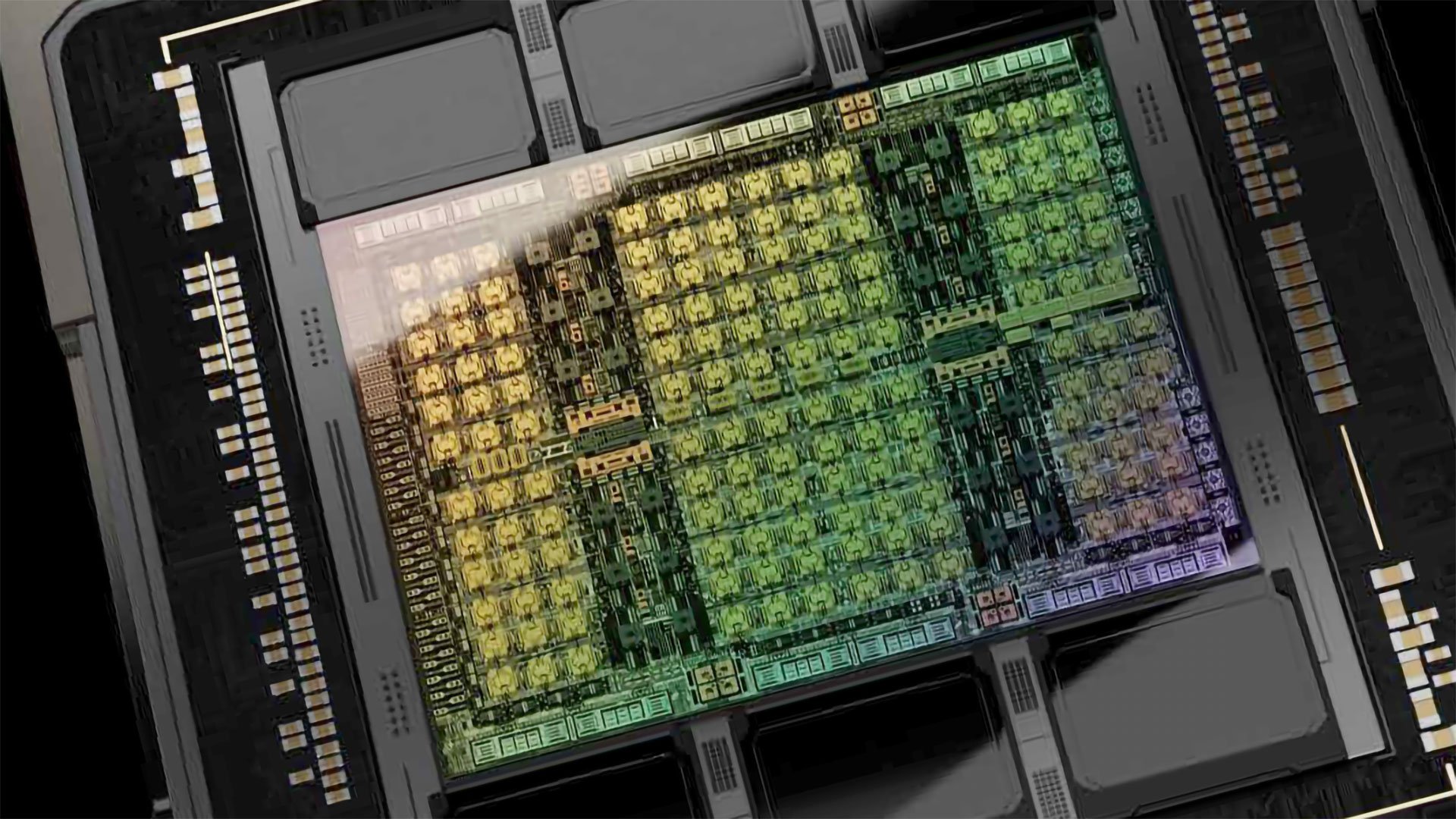 Image credit: Nvidia
A Bloomberg report released Friday adds a new layer to the U.S. indictment of several Supermicro executives for allegedly smuggling restricted Nvidia AI accelerators to China and Russia. The investigation identifies Obon Corp., a Bangkok‑based entity tied to Thailand’s sovereign AI initiatives, as the previously unnamed Southeast Asian front—referred to in court filings as Company‑1—through which the hardware was allegedly routed.
Technical snapshot of the diverted hardware
| Component | Architecture | Nominal performance* | Export status (U.S.) |
|---|---|---|---|
| Nvidia H200 GPU | Hopper (7 nm) | 1.5 × FP16 throughput of H100, 120 TFLOPs FP64 | Restricted (requires license) |
| Nvidia H100 GPU | Hopper (7 nm) | 60 TFLOPs FP16, 30 TFLOPs FP64 | Restricted (license required) |
| Server chassis (custom) | Dual‑socket Xeon 4th‑gen, 2 TB DDR5 | Up to 4 PFLOPs mixed‑precision AI compute per rack | Not restricted |
*Performance figures are based on Nvidia’s public specifications and third‑party benchmark data.
The indictment claims the conspirators assembled H200‑based systems—the newest tier of Nvidia’s AI compute line—then swapped serial‑number labels from legitimate, export‑cleared servers onto empty chassis using ordinary hair‑dryers. After the chassis passed customs inspection, the restricted GPUs were installed inside, effectively hiding the contraband.
How the diversion network allegedly operated
- Front‑company formation – Obon Corp. was presented to customs as a legitimate Thai government‑backed AI research partner. Its corporate filings list several state‑owned research labs as shareholders, giving the entity an aura of official sanction.
- Falsified paperwork – Export documents listed the servers as containing only standard Xeon CPUs and non‑restricted GPUs (e.g., Nvidia A30). Serial numbers on the paperwork matched those on the chassis after the label‑swap.
- Inventory of dummy servers – Prosecutors say the group kept a stock of “empty” chassis that could be quickly re‑labeled to match any shipment, allowing rapid substitution without raising suspicion.
- Final destination routing – Once the servers cleared Thai customs, they were shipped to a logistics hub in Hong Kong, then onward to Alibaba’s data‑center procurement arm, which reportedly purchased the units under a separate contract.
Alibaba has publicly denied any involvement, stating that it has never deployed Nvidia H200 hardware in its production clusters and that all its Nvidia purchases are fully compliant with U.S. export regulations.
Market implications
1. Immediate revenue impact
- The U.S. Justice Department estimates $2.5 billion in sales from the diverted servers, a figure that dwarfs the typical annual revenue of a single high‑end AI server vendor.
- If even a fraction of those units reached Alibaba, the Chinese tech giant could have added hundreds of petaflops of AI compute capacity without the cost of a legitimate license.
2. Pressure on Nvidia’s export‑control regime
- Nvidia has already placed the H200 under the Commerce Control List (ECCN 3A991). The alleged breach shows that a single supply‑chain node in Southeast Asia can undermine the entire licensing framework.
- Nvidia’s recent filing with the U.S. Department of Commerce indicates that it has not exported H200 GPUs to China since the licensing rules were tightened in 2023. The Bloomberg claim, if verified, would represent a direct violation of that statement.
3. Ripple effects for Southeast Asian manufacturers
- Thailand’s involvement—whether intentional or the result of lax oversight—highlights a growing export‑control risk for fabless and system‑integrator firms operating in the region.
- Companies such as ASE, Foxconn, and Wistron may face heightened scrutiny from U.S. Customs and Border Protection, potentially leading to longer clearance times and increased compliance costs.
4. Strategic recalibration for Chinese cloud providers
- Alibaba’s alleged receipt of restricted GPUs could accelerate its competition with Baidu and Tencent in the AI‑cloud market, especially for large‑scale foundation‑model training.
- If the hardware was indeed delivered, Alibaba would gain a significant compute edge without the licensing fees that other providers must absorb, potentially shifting the cost curve for AI services in China.
What this means for the broader AI hardware supply chain
- Export‑control enforcement: The case underscores the need for tighter end‑to‑end visibility. Current U.S. mechanisms focus on point‑of‑origin checks, but the label‑swap technique demonstrates a vulnerability that can only be mitigated with real‑time component tracking (e.g., blockchain‑based serial‑number registries).
- Supply‑chain diversification: Buyers of high‑end AI servers may increasingly demand verified provenance from vendors, pushing manufacturers toward certified supply‑chain partners in jurisdictions with strong export‑control compliance.
- Policy response: Lawmakers are likely to propose amendments that expand the jurisdiction of the Entity List to include front‑companies like Obon, and to increase penalties for falsifying export documentation.
Bottom line
The Bloomberg investigation adds a concrete Southeast Asian link to a case that has already illustrated how vulnerable the AI‑hardware export regime is to creative circumvention. Whether Alibaba ultimately paid for the servers or not, the alleged $2.5 billion diversion highlights a supply‑chain weakness that could enable any well‑funded actor to acquire top‑tier AI compute without official approval. Companies operating in the high‑performance compute market should anticipate stricter audits, invest in tamper‑evident tracking, and reassess their reliance on third‑party logistics hubs in jurisdictions with ambiguous export‑control enforcement.
For further reading, see the original Bloomberg investigation and the U.S. Department of Commerce’s Export Administration Regulations (EAR) guidance on AI accelerators.
Comments
Please log in or register to join the discussion