Amid escalating US-China tensions, business travelers face unprecedented digital risks including mass surveillance, potential device compromise, and exit bans. While most trips proceed without incident, experts urge tech professionals to reassess their risk profile and implement strict security protocols when entering an environment with 700 million security cameras and sophisticated cyber monitoring.
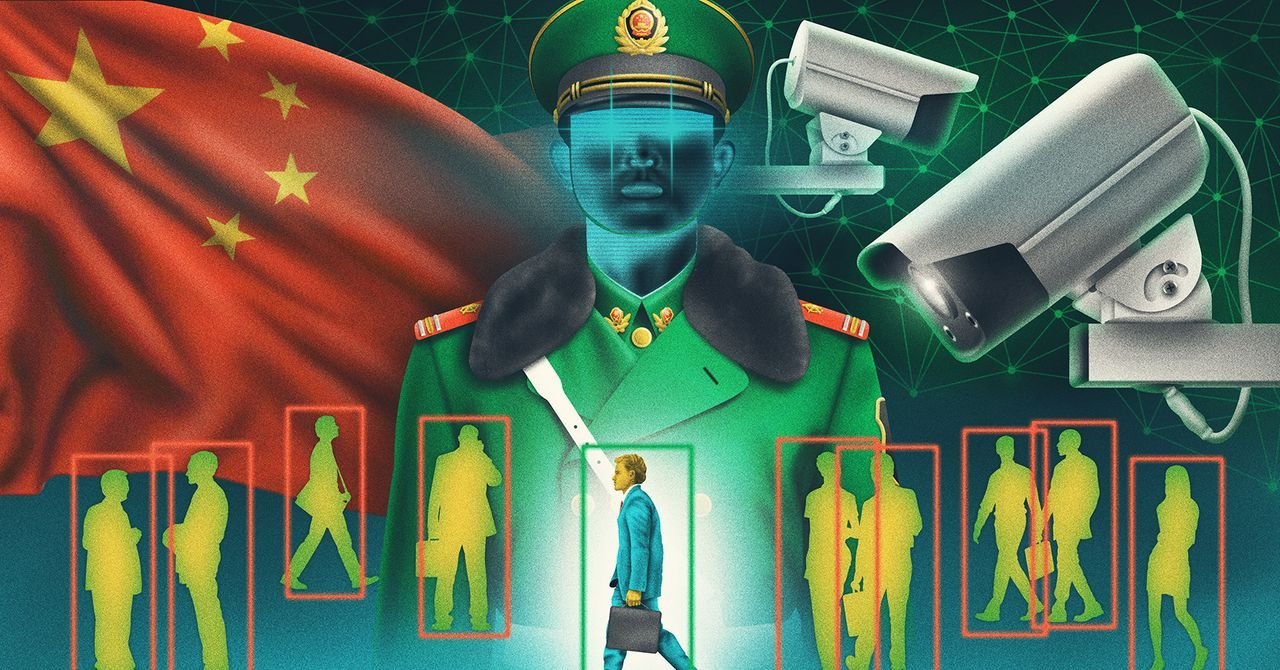
International business travel to China now operates under the long shadow of geopolitical friction and advanced surveillance infrastructure. While direct flights continue and visas remain accessible, the environment has fundamentally shifted from the optimistic "Beijing Welcomes You" era of the 2008 Olympics. Under President Xi Jinping's leadership, China has deployed an estimated 700 million security cameras—many with facial recognition—and developed extensive capabilities to monitor communications, creating a high-stakes landscape for tech professionals.
"It's less of a welcoming environment to Americans than it was in the 2010s," observes Isaac Stone Fish, CEO of China-focused intelligence firm Strategy Risks. Public optimism often masks private concerns about surveillance, exit bans, and arbitrary detentions. Three factors drive this chill:
- Competitive Pressures: Domestic tech firms now rival multinationals, creating regulatory hurdles
- Omnipresent Surveillance: Beyond cameras, a 2025 iVerify report confirmed China's access to 60 mobile operators across 35 countries
- Geopolitical Tensions: The Communist Party's ideological shift under Xi exacerbates US-China friction
Heightened risks particularly affect those in sensitive sectors (defense, avionics), ethnic Chinese diaspora, and employees of firms in regulatory disputes. Gabriel Wildau of Teneo notes: "The Chinese government tends to regard ethnic Chinese as Chinese, even if their citizen documents say otherwise," sometimes using family members as leverage.
Essential Security Protocols for Tech Travelers:
- Risk Assessment: Evaluate personal exposure based on industry, heritage, and employer
- Digital Hygiene: Assume device compromise. Use burner phones and factory-reset devices post-trip
- Network Security: Employ robust VPNs (though not foolproof against state actors)
- Document Vigilance: Ensure visas and passports are meticulously current
- Post-Trip Audits: Mandate full device scans by corporate IT security teams
Despite alarming headlines, Wildau emphasizes: "Thousands enter and exit every month without incident." Yet the convergence of political tension and surveillance technology demands unprecedented caution—turning every business trip into a calculated risk assessment where digital footprints carry geopolitical weight.
Source: WIRED analysis of State Department advisories, business intelligence reports, and cybersecurity assessments
Comments
Please log in or register to join the discussion