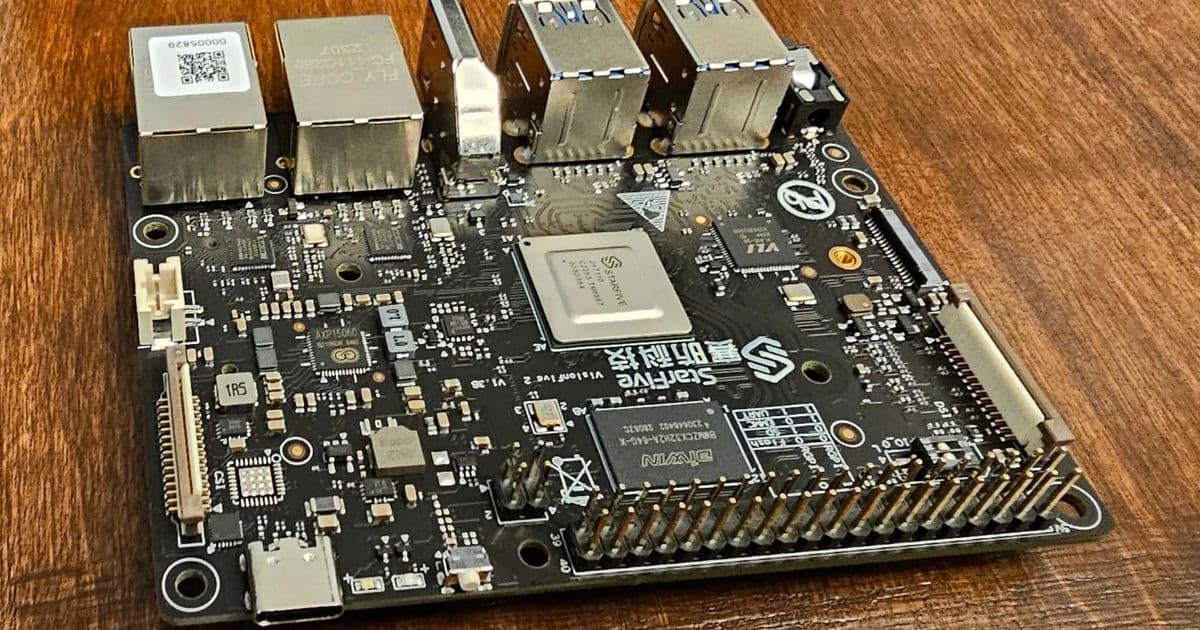
The fourth release candidate for NetBSD 11.0 aims to be the final testing milestone before the official release, bringing significant architecture support including RISC-V, enhanced hardware compatibility, and performance optimizations.
NetBSD 11.0-RC4 has arrived, potentially marking the final testing phase before the official release of this major BSD operating system update. With FreeBSD 15.1 also on the horizon, NetBSD 11.0 represents another significant advancement in the BSD ecosystem, coming a year and a half after NetBSD 10.1 and a year since the NetBSD 11 branch was created.
The most significant addition in NetBSD 11.0 is its stable support for the RISC-V processor architecture, a milestone that positions NetBSD at the forefront of open-source operating system support for this emerging hardware platform. 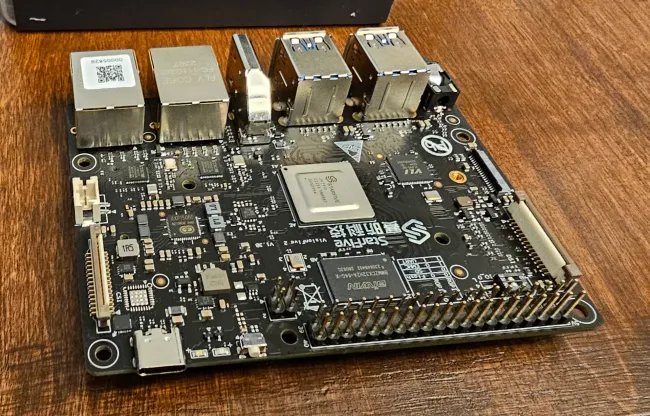 The implementation includes support for StarFive JH71XX-based devices like the VisionFive 2 development board, as well as RISC-V virtualization support through QEMU. This expansion into RISC-V territory demonstrates NetBSD's commitment to supporting diverse computing architectures beyond traditional x86 and Arm platforms.
On the Arm front, NetBSD 11.0 introduces initial support for the Qualcomm Snapdragon X1 Elite hardware, featuring the innovative Oryon CPU cores. This support represents NetBSD's continued investment in modern Arm architectures, complementing existing support for various Arm-based devices and platforms. The inclusion of Oryon CPU support positions NetBSD as an interesting option for developers working with next-generation Arm hardware.
Beyond architecture support, NetBSD 11.0 brings several technical improvements that enhance its capabilities as a general-purpose operating system. The project has improved support for the POSIX.1-2024 and C23 standards, ensuring compatibility with the latest specifications. Additionally, enhanced Linux system call compatibility through the "compat_linux" code layer improves interoperability with Linux applications, potentially easing migration paths for users coming from Linux environments.
The release introduces a new MICROVM kernel configuration for x86/amd64 systems, designed for extremely fast virtual machine booting times. This feature is particularly valuable for containerized workloads and development environments where rapid startup times are critical. The MICROVM kernel complements NetBSD's existing virtualization capabilities, providing a lightweight option for specific use cases.
Another interesting addition is the virt68k port, which enables running the Motorola 68000 port of NetBSD within QEMU using para-virtualized devices. This feature caters to enthusiasts and developers interested in legacy computing while leveraging modern virtualization technologies.
Hardware enablement remains a focus area for NetBSD 11.0, with new drivers for Intel and AMD hardware expanding compatibility with modern PC components. The release also includes SIMD-accelerated X.Org Server optimizations specifically for AArch64 systems, improving graphics performance on Arm-based platforms. These optimizations, combined with various kernel performance improvements, contribute to an overall more responsive system across supported architectures.
For users interested in testing NetBSD 11.0-RC4, the release is available for download from the official NetBSD project. The development team encourages testing across different hardware configurations to identify any remaining issues before the final release. Given the significance of this release—particularly the RISC-V support—community testing will be crucial for ensuring stability across the diverse range of supported platforms.
NetBSD 11.0 represents a substantial evolution of this mature BSD operating system, with its expanded architecture support, enhanced compatibility features, and performance improvements positioning it as a compelling option for developers, system administrators, and enthusiasts. The official release is expected shortly following this release candidate, assuming no major issues are discovered.
For more information on NetBSD 11.0 changes and to download the release candidate, visit the official NetBSD 11.0-RC4 announcement.
Comments
Please log in or register to join the discussion