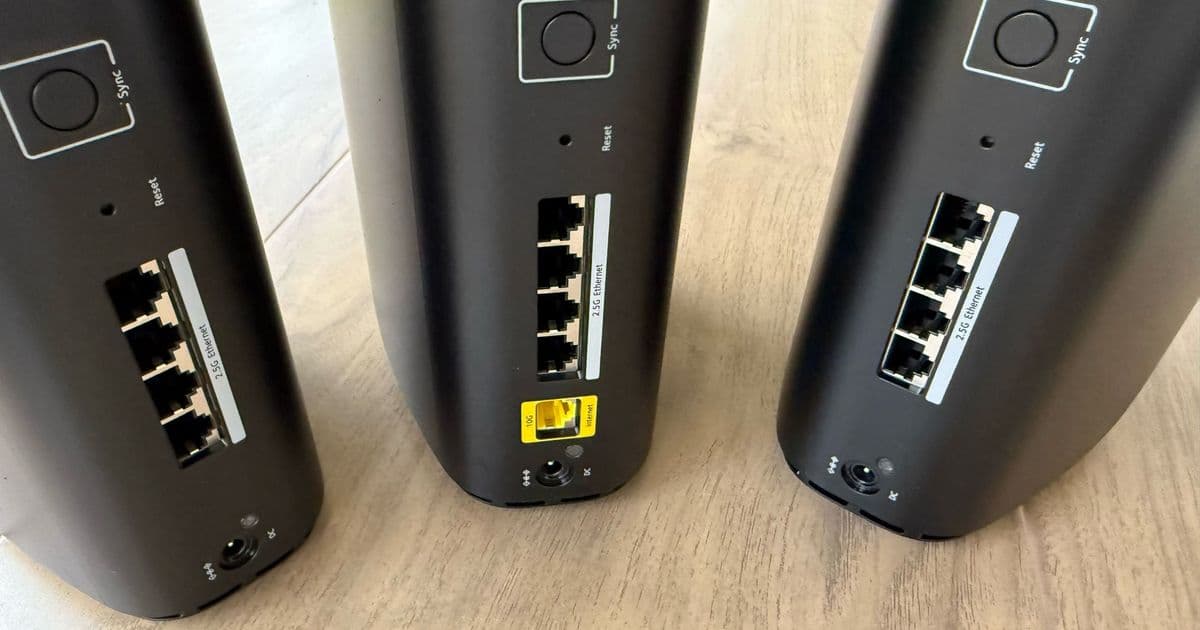
A 16-year-old intern's digital fluency enabled Netgear to dismantle an India-based scam network that stole hundreds of thousands by posing as technical support agents.
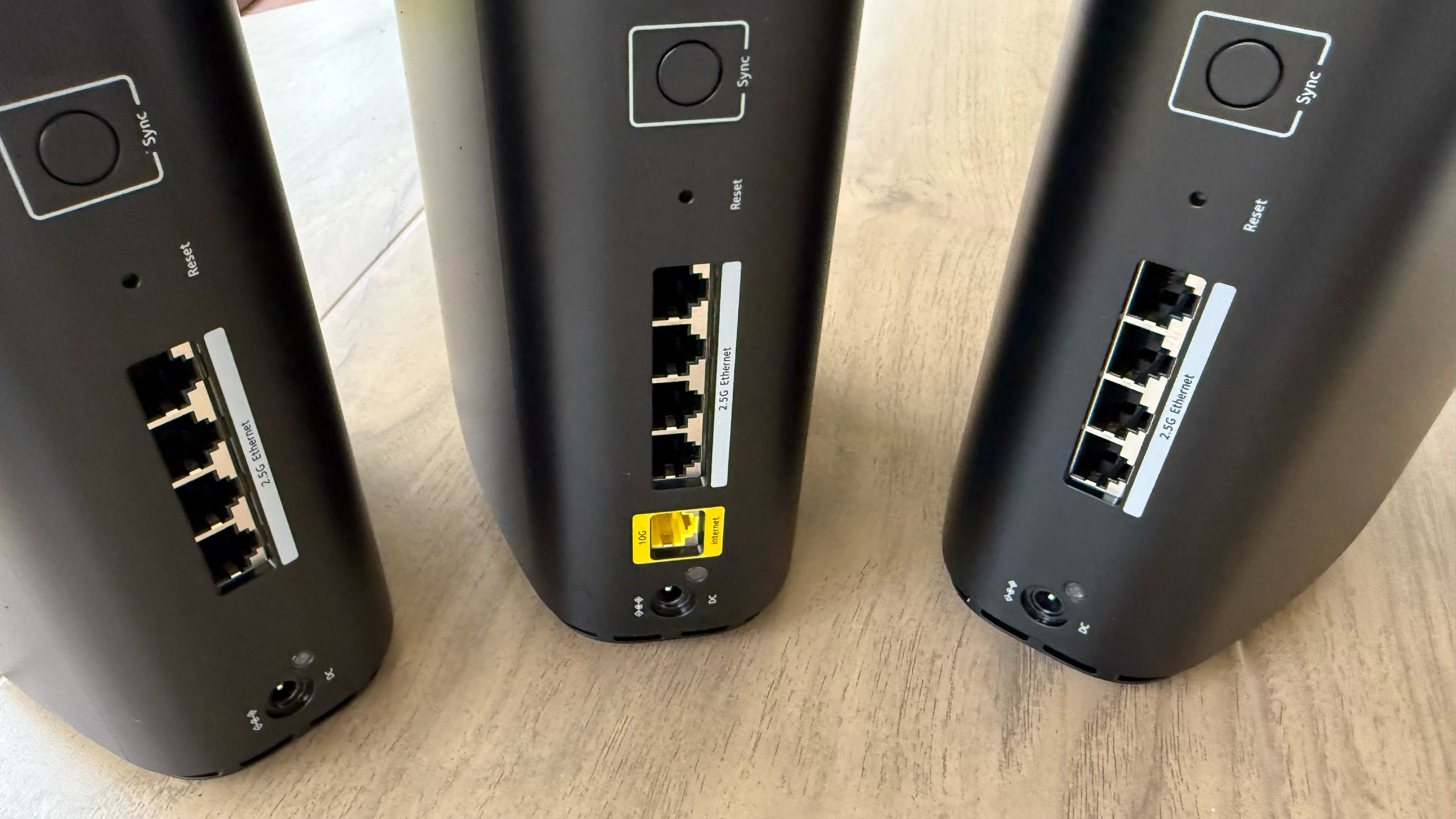
Netgear recently secured an $860,000 legal victory against organized scammers targeting its customers through fraudulent technical support schemes. The breakthrough came not from corporate security teams, but from an unconventional resource: Wyatt, a 16-year-old summer intern earning minimum wage.
Scammers had systematically impersonated Netgear support staff, contacting customers to sell nonexistent extended warranty packages. When victims provided payment, the criminals disappeared after collecting fees typically ranging from $200-$500 per transaction. Netgear's legal team at K&L Gates LLP struggled to track the operation as scammers rapidly cycled through disposable websites and payment channels, deleting digital footprints before investigators could trace them. This cat-and-mouse game persisted for months with estimated losses exceeding $500,000.
Morgan Nickerson of K&L Gates explained the turning point: "We needed digital native fluency to match the scammers' tactics. Wyatt brought that generational intuition." The intern deployed deliberate phishing countermeasures, posing as a vulnerable customer across scam portals. Initial attempts failed when Wyatt couldn't provide legitimate router serial numbers during interactions. After equipping himself with actual Netgear hardware documentation, he successfully baited scammers into generating fraudulent invoices containing critical evidence: payment account numbers, email addresses, and transaction records.
These documents became the evidentiary foundation for federal lawsuits filed in late 2025. Subpoenas compelled payment processors to reveal fund trails terminating at shell companies in India. The litigation strategy deliberately targeted financial channels rather than individual prosecutions. "Our objective was disruption through asset seizure, not criminal convictions," Nickerson confirmed. Court documents show $860,385.22 awarded against multiple payment facilitators used by the operation.
Wyatt received approximately $800 for his 10-week internship. Meanwhile, the FBI reports technical support scams caused over $16 billion in global losses during 2025 alone. Netgear's approach demonstrates how adapting investigative tactics to exploit scammer infrastructure vulnerabilities can yield disproportionate results. As Nickerson noted: "This wasn't about outspending them, but about understanding digital behaviors better than they did."
 Hassam Nasir is a hardware specialist with extensive experience in CPU benchmarking and custom systems architecture.
Comments
Please log in or register to join the discussion