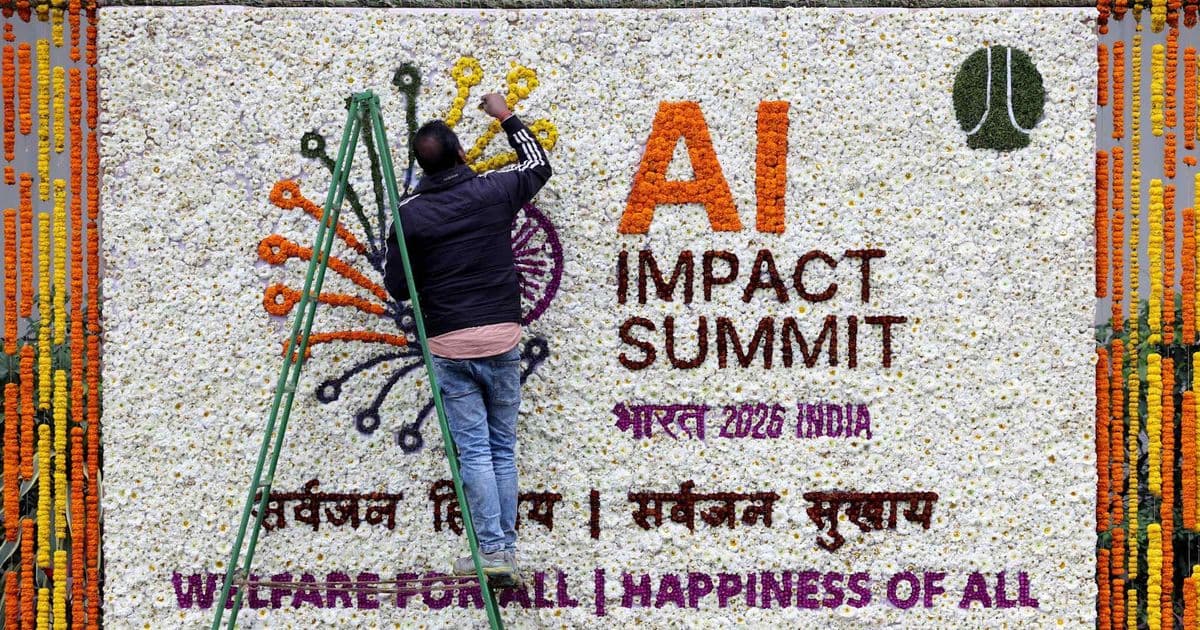
India's AI Impact Summit generated $200 billion in investment pledges and showcased real-world AI applications for farmers and SMEs, but scaling these pilot projects faces significant infrastructure and implementation challenges.
India's ambitious push to become the world's "use-case capital" for artificial intelligence faces a critical test as it transitions from pilot projects to mass deployment. The country's recent AI Impact Summit, which concluded with over $200 billion in investment pledges, showcased promising applications for farmers, small businesses, and various sectors, but significant hurdles remain in scaling these innovations.
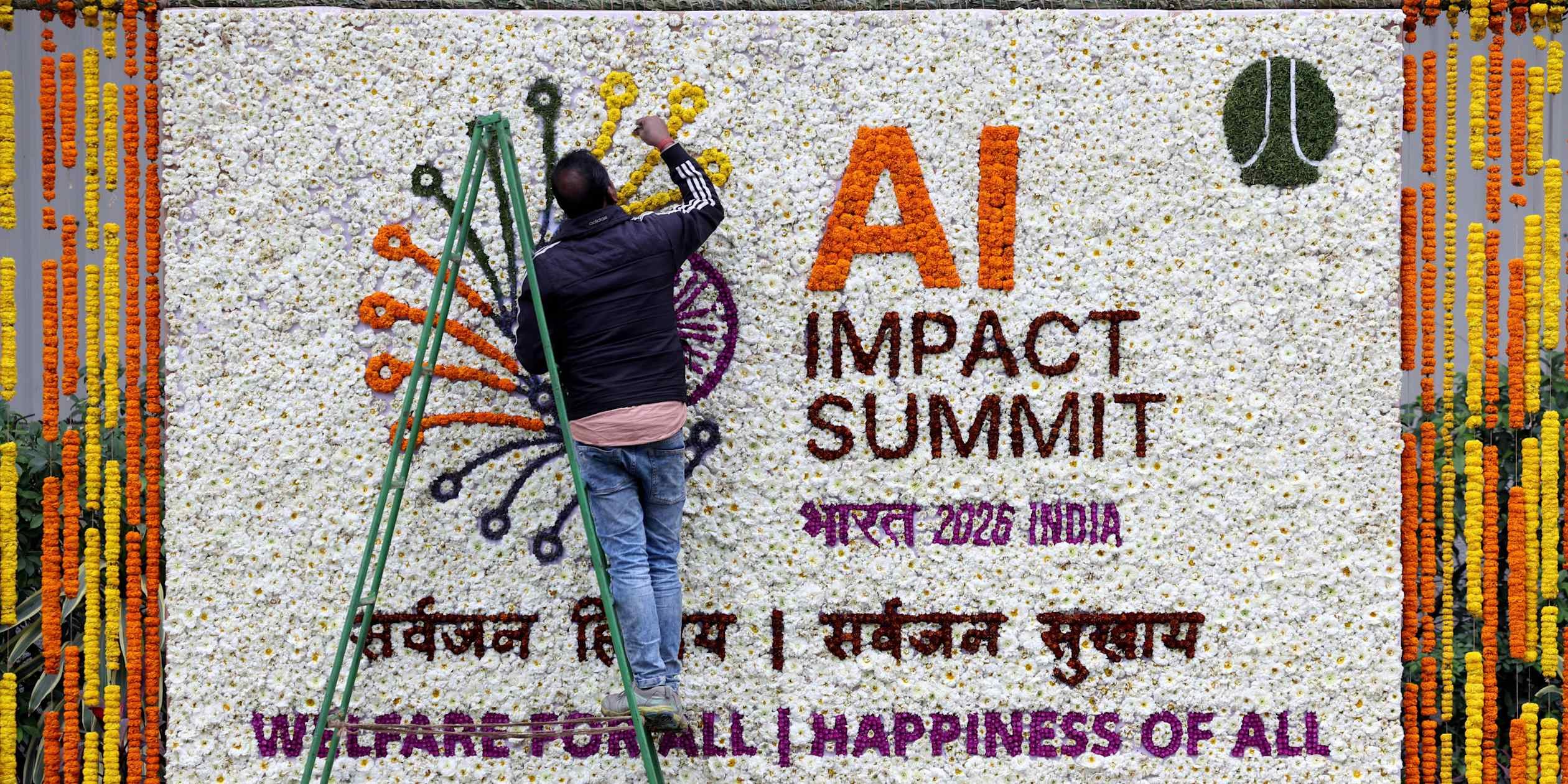
The summit highlighted India's unique position as a testing ground for real-world AI applications. With its diverse population, varied economic conditions, and massive scale, India offers an ideal environment for developing AI solutions that can work across different contexts. The event saw the launch of at least three Indian AI models and numerous high-profile partnerships, signaling strong momentum in the country's AI ecosystem.
However, the gap between pilot projects and widespread implementation remains substantial. While the summit generated excitement with demonstrations of AI applications for agriculture, small and medium enterprises (SMEs), and other sectors, the infrastructure and ecosystem needed for mass deployment are still developing. This challenge is particularly acute in rural areas where many of the most promising use cases are targeted.
The investment landscape reflects both the opportunity and the challenges. Reliance Industries' announcement of a $110 billion investment in AI and data centers underscores the massive capital requirements for building the necessary infrastructure. This investment is crucial for supporting the compute power and data storage needed for large-scale AI deployment across India's vast geography.
India's approach to AI development emphasizes inclusivity and accessibility, particularly for the Global South. Prime Minister Narendra Modi's call for "open, inclusive AI" aligns with India's broader strategy of positioning itself as a leader in developing AI solutions that address the needs of developing economies. This approach has attracted international attention, with companies like Anthropic signing partnerships in Africa as part of the broader US-China AI competition in emerging markets.
The agricultural sector presents one of the most promising areas for AI deployment in India. With over 60% of the population dependent on agriculture, AI applications that can improve crop yields, optimize resource usage, and provide market intelligence have the potential for massive impact. Pilot projects showcased at the summit demonstrated how AI can help farmers with everything from weather prediction to pest control and market price optimization.
For SMEs, AI offers opportunities to level the playing field with larger competitors. The summit highlighted applications ranging from automated customer service to supply chain optimization and financial management tools. These solutions could be particularly transformative for India's millions of small businesses, many of which currently lack access to sophisticated business intelligence tools.
Despite the enthusiasm, several structural challenges could impede India's progress toward becoming the AI use-case capital. The country's digital infrastructure, while improving rapidly, still faces significant gaps in rural and remote areas. Reliable high-speed internet and consistent power supply are prerequisites for many AI applications, and these remain inconsistent in many parts of the country.
Data availability and quality present another challenge. While India generates vast amounts of data, much of it remains unstructured or siloed. Developing AI models that can work effectively with India's diverse languages, dialects, and cultural contexts requires sophisticated data processing capabilities that are still evolving.
The talent pipeline is another critical factor. While India produces large numbers of engineering graduates, there is a shortage of professionals with specialized AI and machine learning expertise. Building this talent pool will require significant investment in education and training programs.
Competition from other emerging markets adds another layer of complexity. Countries across Southeast Asia, Africa, and Latin America are also positioning themselves as AI innovation hubs, often with more streamlined regulatory environments and less bureaucratic hurdles. India will need to move quickly to maintain its competitive advantage.
The regulatory environment presents both opportunities and challenges. India's approach to AI regulation has been relatively flexible compared to some Western markets, which could accelerate innovation. However, concerns about data privacy, algorithmic bias, and the social impact of AI deployment will likely lead to increased regulatory scrutiny in the coming years.
Looking ahead, India's success in becoming the world's AI use-case capital will depend on its ability to bridge the gap between pilot projects and mass deployment. The $200 billion in investment pledges provides a strong foundation, but effective execution will require coordination across government, industry, and academia.
The country's unique advantages – its scale, diversity, and growing digital infrastructure – position it well for this challenge. If India can overcome the implementation hurdles and successfully scale its AI innovations, it could indeed become a global leader in developing and deploying AI solutions that address real-world challenges, particularly in developing economies.
However, the path forward requires more than just investment and pilot projects. It demands sustained commitment to building the infrastructure, talent pool, and regulatory framework needed to support widespread AI adoption. The coming years will reveal whether India can translate its ambitious vision into tangible results that benefit its population and establish it as a global AI leader.
Comments
Please log in or register to join the discussion