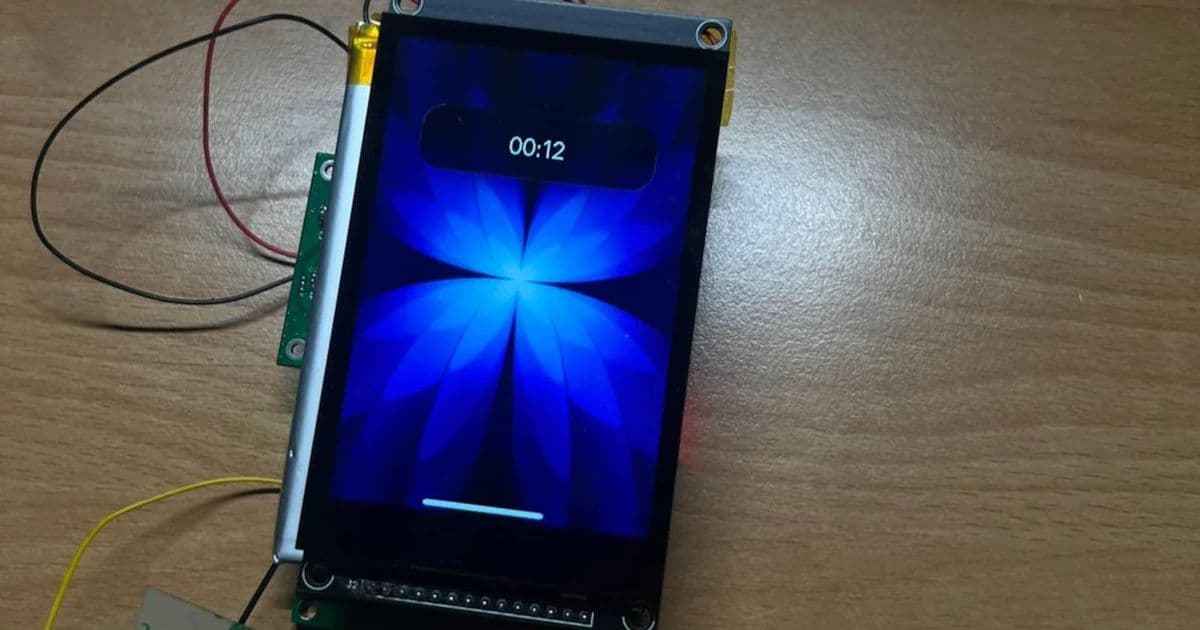
A prototype smartphone built around the ESP32 microcontroller demonstrates voice calling, a 2MP camera, and a 3000mAh battery, with SMS support on the way. The open-source code release could spark a wave of community-built devices.
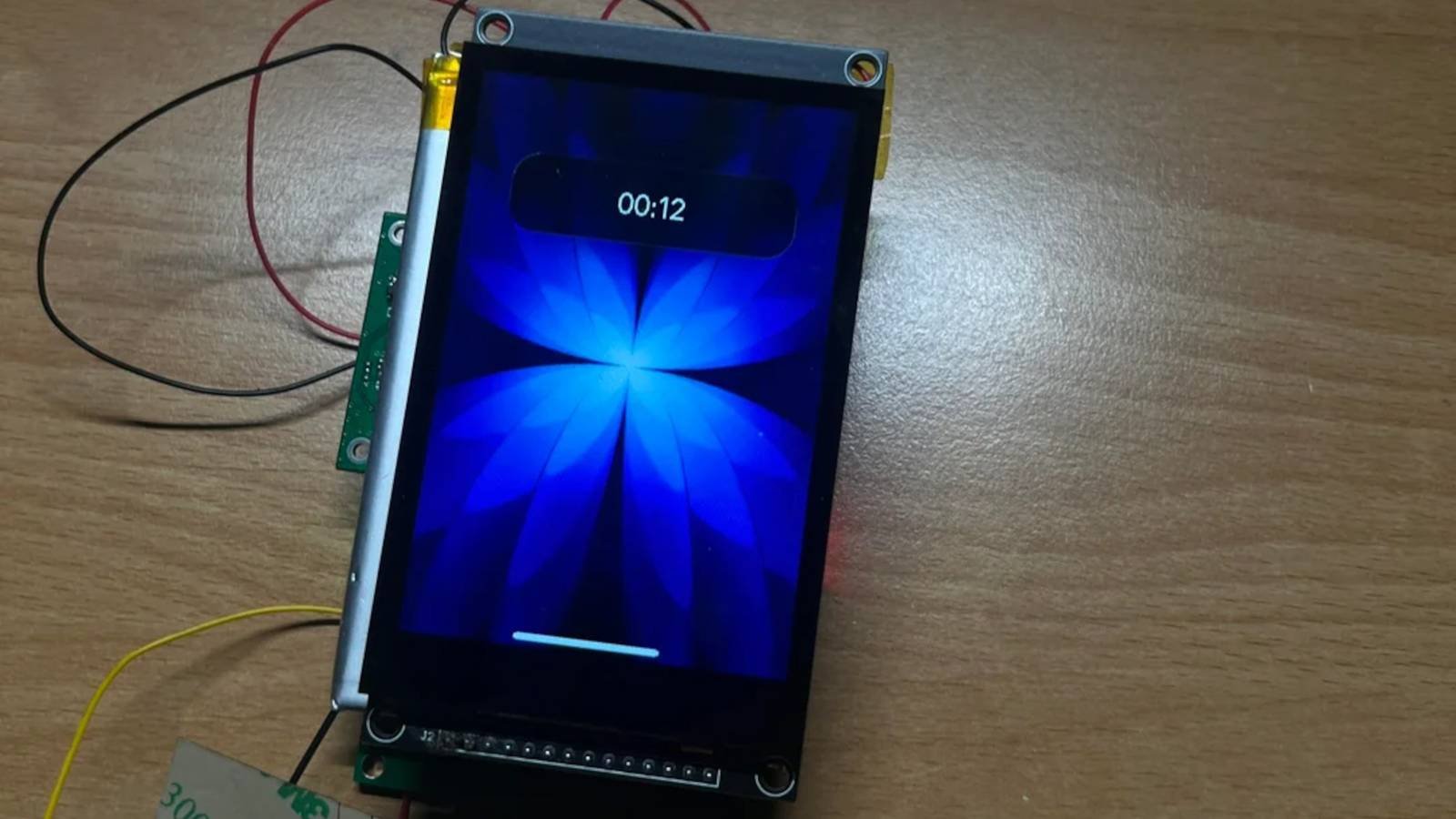
An ambitious hardware project demonstrates the ESP32 microcontroller's untapped potential for mobile applications. Developer LuckyBor recently showcased a functional smartphone prototype built around an ESP32-S3 N16R8 chipset paired with a SIMCom A7682E 4G modem. This unconventional device already handles voice calls via standard SIM cards and features a 2MP OV2640 camera module powered by a 3000mAh battery, with SMS functionality currently in development.
The hardware implementation uses modular components rather than integrated chips, reflecting its prototype status. For software, LuckyBor leveraged AT commands for modem control combined with the Lovyangfx library, avoiding Espressif's official ESP-IDF framework due to its complexity. Instead, development occurred through a customized Arduino IDE environment, prioritizing accessibility for the maker community.
The developer specifically chose the ESP32 over alternatives like Raspberry Pi for two critical reasons: significantly lower component costs and superior power efficiency. This combination makes the platform viable for battery-operated devices. When questioned about code availability, LuckyBor confirmed plans to release the project as FOSS (Free and Open Source Software) in the near future.
This breakthrough arrives alongside other ESP32-based innovations, such as Adam Conway's local-first Ring Doorbell alternative that eliminates subscription fees. 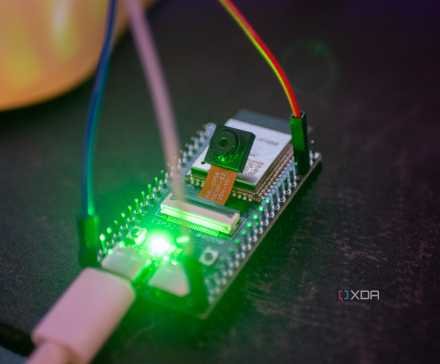
The ESP32 smartphone project reveals practical implications for developers:
- Cross-Platform Potential: Arduino IDE compatibility lowers barriers for Windows, macOS, and Linux developers
- Modem Integration: AT command implementation provides a blueprint for cellular functionality in future IoT projects
- Power Management: The 3000mAh battery demonstrates viable runtime for ESP32-powered mobile devices
- Community Scalability: Open-source release will enable customization for specific use cases beyond smartphones
While still a prototype, the project validates ESP32 as a credible foundation for custom communication devices. As LuckyBor prepares to publish the codebase, expect community experimentation with cellular-enabled wearables, industrial controllers, and specialized handhelds leveraging this architecture.
Comments
Please log in or register to join the discussion